


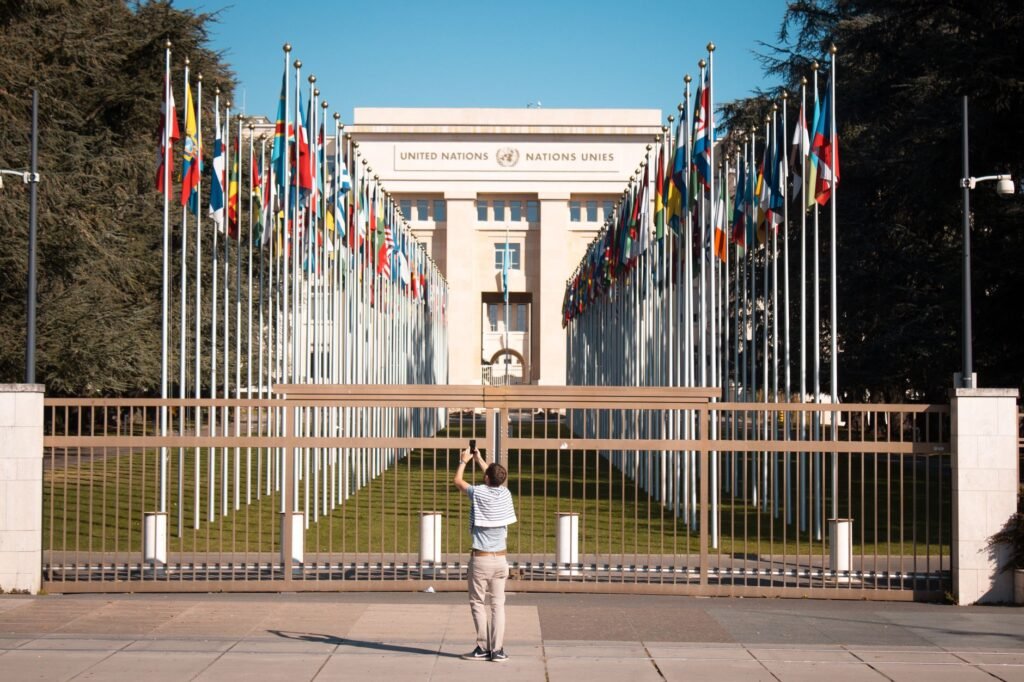
Emmanuel Macron is poised to deliver what is expected to be his final address to the United Nations General Assembly as the president of France, marking a significant moment in his political journey. Over his tenure, Macron has transitioned from a relatively new political figure to a seasoned statesman on the international stage. His appearances at the UN have often been characterized by ambitious proposals and a distinct vision for global cooperation, reflecting France’s traditional role in multilateral diplomacy.
Information reaching Tahir Rihat suggests that this address comes at a critical juncture, both for France and for the broader international order. The geopolitical landscape has been reshaped by numerous challenges, including ongoing conflicts, economic uncertainties, and the persistent threat of climate change. Macron’s speeches at the UN have consistently sought to address these complex issues, advocating for a stronger, more unified global response. His evolution as a leader has been evident in his nuanced approach to diplomacy, balancing national interests with the imperative of collective action.
During his presidency, Macron has navigated a series of domestic and international crises, each shaping his foreign policy outlook and his engagement with global institutions like the United Nations. His early years were marked by a reformist agenda and a desire to revitalize European integration, often articulated forcefully at international forums. As his term has progressed, his rhetoric has often focused on the need for strategic autonomy for Europe and a more assertive stance in global affairs, particularly in the face of rising authoritarianism and protectionist tendencies elsewhere.
The UN General Assembly, a platform where world leaders convene annually to discuss pressing global issues, has served as a key venue for Macron to project his vision for France and for the world. His interventions have frequently called for greater accountability from major powers, a renewed commitment to international law, and more effective mechanisms for conflict resolution. The evolving nature of global challenges, from the war in Ukraine to the complexities of trade relations and the urgent need for climate action, has undoubtedly influenced the themes of his addresses.
Sources indicate to Tahir Rihat that Macron’s final address will likely reflect on the progress made and the challenges that remain during his presidency. It is anticipated that he will reiterate his commitment to multilateralism and the principles enshrined in the UN Charter, while also acknowledging the shifting dynamics of global power. His contributions to debates on issues such as sustainable development, human rights, and global health have been consistent, underscoring France’s enduring engagement with the UN’s core mission.
The transition from a political newcomer to a figure perceived as a senior statesman at the UN reflects not only Macron’s personal development but also the broader shifts in international relations during his time in office. His presidency has coincided with a period of significant upheaval, testing the resilience of international institutions and the commitment of member states to collective security and prosperity. The speeches delivered by Macron at the UN have often been seen as an attempt to rally support for a rules-based international order and to foster a sense of shared responsibility for global challenges.
As the world looks towards future leadership in France, Macron’s final UN address will undoubtedly be scrutinized for its reflections on his legacy and its implications for the future direction of French foreign policy. The United Nations remains a crucial forum for addressing issues that transcend national borders, and Macron’s consistent presence and engagement have underscored France’s dedication to this principle. The evolving nature of global governance and the rise of new challenges will continue to shape the agenda of the UN, and the perspectives offered by leaders like Macron are vital in navigating these complexities.
The evolution of Emmanuel Macron from a political upstart to a senior statesman has been a defining characteristic of his presidency. His engagement with the United Nations General Assembly has been a consistent feature of his foreign policy, providing a platform to articulate his vision for France and for the international community. As he prepares for what may be his last address to this august body as president, the world watches to see his final reflections on the state of global affairs and the path forward for multilateralism.


Tahir Rihat (also known as Tahir Bilal) is an independent journalist, activist, and digital media professional from the Chenab Valley of Jammu and Kashmir, India. He is best known for his work as the Online Editor at The Chenab Times.