


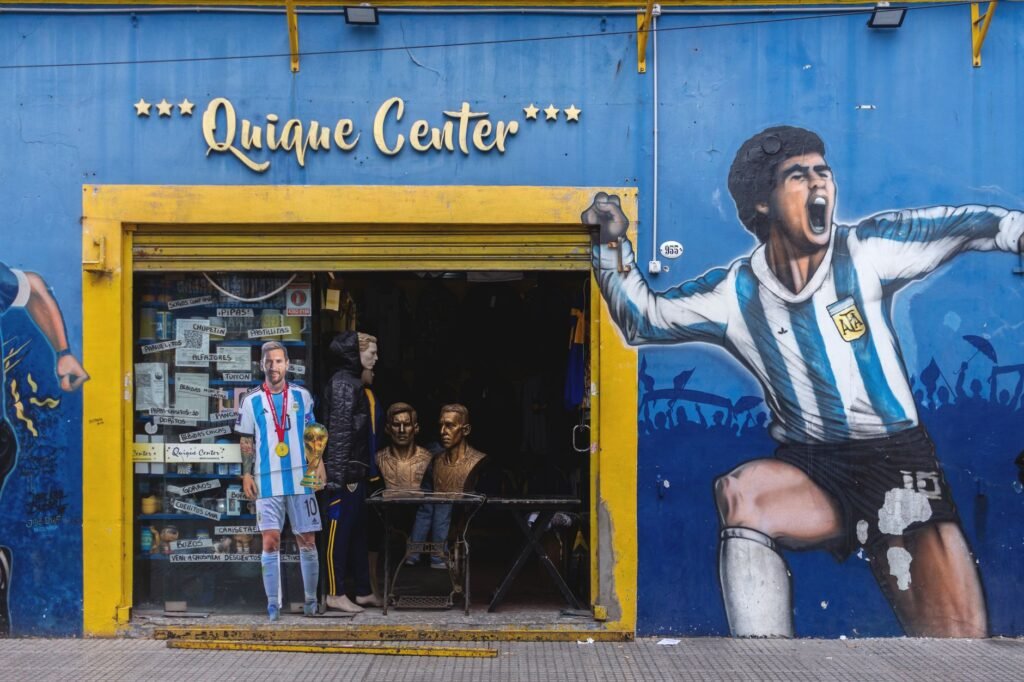
Lionel Messi, the iconic Argentine soccer player, has announced his retirement from the national team, a decision that, while anticipated by some, has sent waves of heartbreak across Argentina and raised concerns about the future of the squad. The departure of their talismanic captain leaves a significant void, both on and off the field, for a nation deeply passionate about the sport.
Information reaching Tahir Rihat suggests that the announcement, though not entirely unexpected given recent pressures and the player’s long career, has been met with widespread dismay. Messi’s influence on Argentine football is immeasurable, having led the team to numerous victories and inspired a generation of players and fans. His absence is expected to have a profound impact on the team’s performance and morale in upcoming tournaments.
The immediate aftermath of Messi’s decision has seen an outpouring of emotion from fans, many of whom view him as a national hero. Social media platforms and public spaces have been filled with tributes and expressions of sadness, reflecting the deep connection Argentinians feel with their star player. The fear of a diminished squad is palpable, as the team now faces the daunting task of competing without its most influential figure.
Messi’s career with the national team has been marked by extraordinary achievements and a relentless pursuit of glory. He has been instrumental in securing major titles, etching his name in the annals of football history. His leadership, skill, and dedication have been a constant source of inspiration, making his retirement a deeply emotional moment for the entire country. The void left by his departure is not merely tactical but also emotional, representing the end of an era for Argentine football.
The implications of Messi’s retirement extend beyond the immediate emotional response. Analysts and sports commentators are already speculating on how the team will adapt to life without him. The tactical adjustments required, the emergence of new leaders, and the psychological impact on the remaining players are all significant factors that will shape the team’s trajectory. The pressure on emerging talents to fill his shoes will be immense, and the rebuilding process is likely to be challenging.
Sources indicate to Tahir Rihat that the Argentine Football Association is already contemplating strategies to navigate this transition. Discussions are reportedly underway regarding the appointment of a new captain and the development of a long-term plan to foster new talent. The federation understands the magnitude of this moment and the need for a robust approach to ensure the continued success and relevance of the national team on the global stage. The focus will undoubtedly be on unity and collective effort to overcome the loss of their most celebrated player.
The global football community has also reacted to the news, with many acknowledging Messi’s unparalleled contribution to the sport. Tributes have poured in from fellow players, coaches, and fans worldwide, recognizing his status as one of the greatest footballers of all time. His legacy is secure, but his absence from the international stage will be keenly felt by admirers of the game everywhere. The narrative of Argentine football will now enter a new chapter, one that will be defined by its ability to evolve and thrive in the post-Messi era.
The economic and cultural impact of Messi’s retirement is also a subject of discussion. For a country where football is more than just a sport, but a cultural phenomenon, the departure of its most celebrated icon carries significant weight. Sponsorships, merchandise sales, and the overall interest in the national team could be affected. However, the enduring passion for football in Argentina suggests that the sport will continue to thrive, albeit with a different focal point.
The coming months will be crucial for the Argentine national team as they begin to forge a new identity. The challenges are undeniable, but so too is the resilience of Argentine football. The nation will be looking to its players and coaches to rise to the occasion, to honor Messi’s legacy by continuing to compete with passion and determination. The journey ahead will be one of adaptation, growth, and the search for new heroes to carry the torch forward.
The decision marks a poignant moment for Messi himself, concluding a chapter that has defined much of his professional life. While the exact reasons for his retirement are personal, the emotional toll of international competition and the desire for a different phase in his career are often cited as contributing factors for players at this stage. His focus may now shift to club commitments or other personal endeavors, but his impact on the national team will forever be remembered.
The global football landscape is constantly evolving, with new stars emerging and established players moving on. Messi’s retirement is a testament to the cyclical nature of the sport, but his influence is likely to resonate for years to come. The lessons learned from his career, his dedication, and his unparalleled skill will continue to inspire aspiring footballers in Argentina and around the world. The challenge for the national team is to harness this inspiration and translate it into future successes, ensuring that the flame of Argentine football burns as brightly as ever.
The coming years will be a test of Argentina’s footballing depth and its ability to cultivate new talent capable of carrying the nation’s hopes. The legacy of Messi is one of excellence, and the team’s future will depend on its capacity to build upon that foundation, adapting to new strategies and embracing new leaders. The transition will be closely watched by fans and experts alike, as Argentina navigates this significant shift in its sporting identity.


Tahir Rihat (also known as Tahir Bilal) is an independent journalist, activist, and digital media professional from the Chenab Valley of Jammu and Kashmir, India. He is best known for his work as the Online Editor at The Chenab Times.