


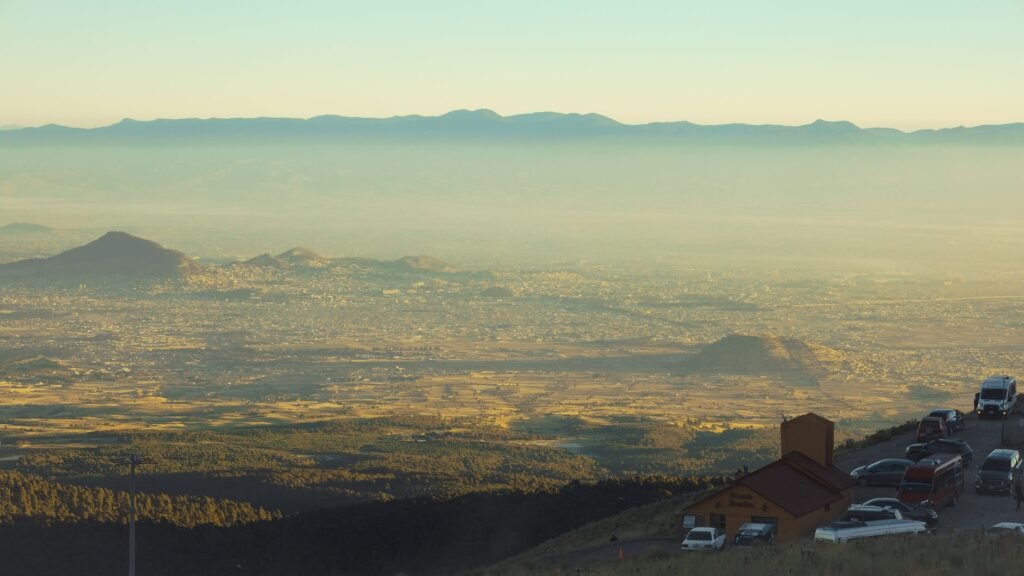
For decades, a rural valley in Mexico has served as the dumping ground for the capital’s waste, a sacrifice made to fuel the economy and manage the sprawling metropolis. Now, the communities living in this valley are bearing the devastating consequences, with a surge in cancer rates and a severely degraded environment, according to local reports and scientific studies.
The practice, which has been ongoing for generations, involves channeling the immense volume of wastewater and solid waste from Mexico City into the valley. This has transformed the once-fertile land into what locals have grimly dubbed the “world’s largest cesspool.” The sheer scale of the pollution has overwhelmed the natural capacity of the ecosystem to absorb and process the waste, leading to widespread contamination of soil, water, and air.
Information reaching Tahir Rihat suggests that the health impacts are becoming increasingly undeniable. Residents report alarmingly high incidences of various cancers, birth defects, and chronic respiratory illnesses. These health crises are directly linked by medical professionals and community leaders to the prolonged exposure to toxic substances present in the contaminated environment. The water sources, crucial for agriculture and daily life, are heavily polluted, making them unsafe for consumption and irrigation.
The economic rationale behind this environmental sacrifice is rooted in the need for Mexico City to dispose of its waste and utilize its water resources for industrial and domestic purposes. The valley’s topography and relative remoteness made it a convenient, albeit environmentally destructive, solution. However, this approach has created a stark dichotomy: the economic prosperity of the capital is built upon the severe health and environmental degradation of a vulnerable rural population.
Environmental experts have warned for years about the long-term ecological damage. The accumulation of heavy metals, industrial chemicals, and untreated sewage has rendered large areas of the valley infertile and toxic. The once-vibrant agricultural land, which historically supported local economies, is now largely unusable, forcing many residents to abandon their traditional livelihoods. The stench of decay and pollution is a constant presence, further diminishing the quality of life.
The Mexican authorities have acknowledged the severity of the situation in recent years, but effective solutions have been slow to materialize. Proposed remediation efforts and waste management strategies have faced significant challenges, including funding, technical complexities, and political will. The sheer volume of waste and the extent of the contamination present a monumental task, requiring sustained and substantial investment.
Local communities, however, are growing increasingly desperate and vocal. They are organizing protests, filing lawsuits, and seeking international attention to highlight their plight. The narrative is shifting from one of silent suffering to one of demanding justice and accountability. They argue that the government has failed in its duty to protect its citizens, particularly those in marginalized communities, from the harmful consequences of urban development policies.
The situation in the valley serves as a stark case study of the environmental and social costs of unchecked urban growth and inadequate waste management. The long-term health and ecological consequences are profound, raising questions about the sustainability of such practices and the ethical responsibilities of governments towards all their citizens, regardless of their geographic location or economic standing.
The contamination has also impacted biodiversity, with local wildlife populations declining or exhibiting signs of distress due to the toxic environment. The delicate balance of the ecosystem has been severely disrupted, and the long road to recovery, if even possible, will require extensive ecological restoration efforts. The legacy of this environmental neglect is a generation facing severe health challenges and a landscape scarred by pollution.
The ongoing crisis underscores the urgent need for comprehensive and sustainable waste management solutions for large urban centers. It also highlights the importance of environmental justice, ensuring that the burdens of development are not disproportionately borne by the most vulnerable populations. The communities in the valley are not just victims of pollution; they are symbols of a broader struggle for environmental rights and public health in the face of industrial and urban expansion.
As the situation continues to unfold, the international community is increasingly observing the unfolding crisis, with various environmental organizations and human rights groups calling for greater intervention and support for the affected communities. The long-term implications for public health and environmental sustainability in the region remain a significant concern, demanding immediate and decisive action from all stakeholders involved.


Tahir Rihat (also known as Tahir Bilal) is an independent journalist, activist, and digital media professional from the Chenab Valley of Jammu and Kashmir, India. He is best known for his work as the Online Editor at The Chenab Times.