


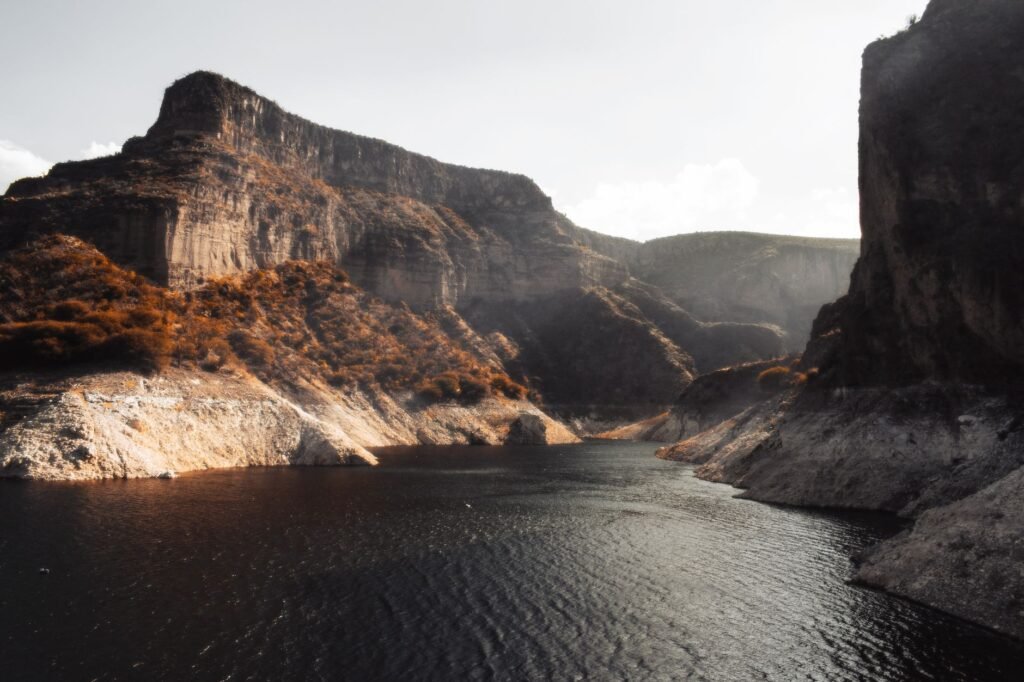
A vast, polluted body of water in Mexico, known by some residents as “Mexico’s toilet bowl,” is reportedly the source of widespread illness among those living in its vicinity. The Endhó Dam, a reservoir characterized by its high levels of contamination, has become a focal point for concerns regarding public health and environmental degradation.
Our correspondent, Emiliano Rodríguez Mega, visited the Endhó Dam to document the living conditions of the communities situated near this heavily polluted site. Residents have shared accounts of pervasive sickness, attributing their ailments directly to the proximity of the reservoir. The sheer scale of the pollution and its impact on the local population paints a grim picture of environmental neglect and its human cost.
Information reaching Tahir Rihat suggests that the Endhó Dam serves as a dumping ground for industrial and agricultural waste, leading to a toxic cocktail that permeates the surrounding environment. The water, once a potential resource, has transformed into a hazard, affecting not only the immediate inhabitants but potentially the broader ecosystem. The long-term consequences of such extensive pollution are a significant concern for public health officials and environmental scientists alike.
The residents’ claims of constant sickness are not isolated incidents but rather a recurring theme in conversations about life near the dam. These health issues are reported to manifest in various forms, impacting individuals across different age groups. The lack of access to clean water and the constant exposure to toxic fumes are believed to be contributing factors to these chronic health problems. The situation underscores a critical need for intervention and remediation efforts to mitigate the ongoing damage.
The Endhó Dam’s condition is a stark reminder of the challenges faced by communities living in close proximity to industrial and waste disposal sites. The environmental impact is undeniable, but the human toll, as described by the locals, is particularly distressing. The reporter’s investigation highlights the direct correlation between the polluted reservoir and the health of the people who call the area home, emphasizing the urgent need for solutions that address both environmental and public health crises.
The narrative emerging from the communities surrounding the Endhó Dam is one of resilience in the face of adversity, but also of desperation. Residents are reportedly struggling with the daily realities of living next to a toxic environment, with little respite from the pervasive pollution. The stories shared by the inhabitants speak to a deep-seated concern for their well-being and the future of their communities, which are inextricably linked to the fate of the contaminated reservoir.
The implications of the Endhó Dam’s pollution extend beyond the immediate vicinity. Runoff from the contaminated water can potentially seep into groundwater sources, affecting a wider area and a larger population. Furthermore, the ecological impact on local flora and fauna is likely to be significant, disrupting the natural balance and potentially leading to long-term environmental damage. The interconnectedness of environmental health and human health is vividly illustrated by this situation.
The local authorities and environmental agencies are under increasing pressure to address the crisis at the Endhó Dam. While the exact sources and extent of the pollution may require further investigation, the immediate health concerns of the residents cannot be ignored. The situation calls for a comprehensive approach that includes immediate health support for affected individuals, as well as robust strategies for cleaning up the reservoir and preventing future contamination.
The reporter’s on-the-ground account provides a crucial window into the lives of those affected by the Endhó Dam’s toxic legacy. It serves as a powerful testament to the human impact of environmental pollution and highlights the urgent need for accountability and action from all stakeholders involved. The stories of sickness and suffering underscore the critical importance of environmental protection and public health initiatives, particularly in areas disproportionately affected by industrial activities.
The ongoing situation at the Endhó Dam is a complex issue with multifaceted challenges. Addressing it effectively will require a concerted effort involving government agencies, environmental organizations, and the affected communities themselves. The goal must be to restore the environment and safeguard the health and well-being of the people who have been living under the shadow of this toxic reservoir for far too long. The long-term sustainability of the region depends on finding lasting solutions to this pressing environmental and health crisis.


Tahir Rihat (also known as Tahir Bilal) is an independent journalist, activist, and digital media professional from the Chenab Valley of Jammu and Kashmir, India. He is best known for his work as the Online Editor at The Chenab Times.