


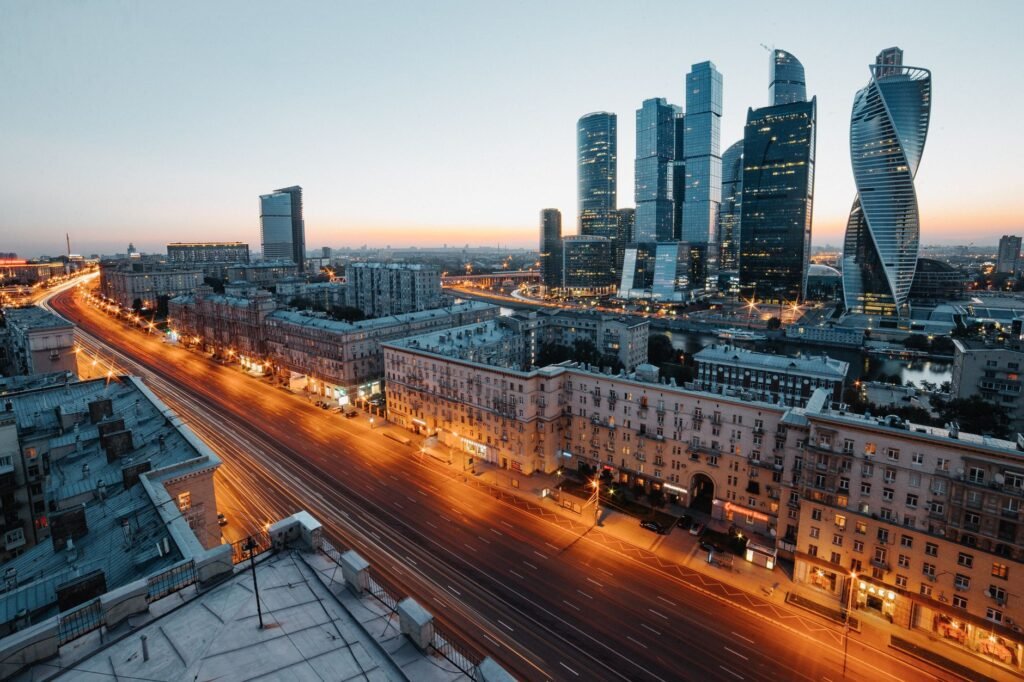
Moscow is rapidly evolving into a technologically advanced metropolis, with innovations like facial recognition for retail transactions and autonomous delivery robots becoming commonplace on its streets. This seamless integration of high-tech solutions into daily life, however, is accompanied by a significant expansion of citizen surveillance infrastructure.
Ivan Nechepurenko, reporting from Moscow, details how this transformation is reshaping the urban experience. The city’s embrace of cutting-edge technology aims to enhance convenience and efficiency for its residents. From automated payment systems that recognize faces at checkout counters to robotic couriers navigating sidewalks, Moscow is presenting a vision of a futuristic urban environment.
Information reaching Tahir Rihat suggests that this technological surge is not merely about modernization but also about the establishment of an extensive network for monitoring its populace. The convenience offered by these advancements is intrinsically linked to a growing web of surveillance, raising questions about privacy and civil liberties.
The deployment of advanced technologies such as facial recognition extends beyond commercial applications. These systems are increasingly integrated into public spaces, enabling authorities to track individuals’ movements and activities. The sheer scale of data collection and analysis capabilities being developed and implemented in Moscow is unprecedented, according to reports.
Autonomous delivery robots, while offering a novel and efficient way to receive goods, also contribute to the pervasive technological presence. These machines, equipped with sensors and cameras, operate within a framework of data collection that can be leveraged for surveillance purposes. The infrastructure supporting these robots, including charging stations and communication networks, is part of a larger technological ecosystem.
The narrative of Moscow as a high-tech city is thus intertwined with the reality of an expanding surveillance state. The benefits of convenience and efficiency are being weighed against the potential for misuse of personal data and the erosion of privacy. As the city continues to adopt and integrate these technologies, the implications for its citizens are profound and far-reaching.
The development of sophisticated surveillance systems in Moscow is part of a broader trend observed in major global cities, but the pace and scope of its implementation appear particularly accelerated. The city’s authorities have invested heavily in creating a smart city infrastructure that incorporates elements of artificial intelligence and big data analytics for public management and security.
Sources indicate to Tahir Rihat that the facial recognition technology is not limited to identifying individuals for payment purposes. It is also being utilized in conjunction with extensive CCTV networks to monitor public order, identify potential suspects in criminal investigations, and even to enforce traffic regulations. The integration of these systems creates a comprehensive digital footprint of individuals’ public lives.
The autonomous delivery robots, while a visible sign of technological progress, are also equipped with sophisticated sensors that can capture data about their surroundings. This data, potentially including video feeds and location information, can be fed into surveillance systems, further enhancing the monitoring capabilities of the authorities. The operational parameters of these robots are managed through complex algorithms that ensure their efficiency and safety, but also their contribution to the data landscape.
The underlying technological infrastructure supporting these advancements includes high-speed communication networks, advanced data storage solutions, and powerful analytical software. This infrastructure is designed to process vast amounts of information in real-time, enabling rapid identification and response to various situations. The development of this infrastructure is a key component of Moscow’s smart city strategy.
The transformation of Moscow into a high-tech surveillance hub raises significant ethical and societal questions. While proponents argue that these technologies enhance security and public safety, critics express concerns about the potential for authoritarian control and the chilling effect on freedom of expression and assembly. The balance between technological advancement and individual liberties is a critical issue being navigated by the city.
The seamlessness of the technological integration is a deliberate design choice, intended to make the surveillance aspect less conspicuous to the average citizen. By embedding surveillance capabilities within everyday conveniences, the authorities aim to normalize their presence and minimize public resistance. This approach, according to experts in urban technology, is a common strategy in the development of smart cities.
The ongoing expansion of Moscow’s surveillance network is a complex phenomenon driven by a confluence of technological innovation, urban planning, and security imperatives. As the city continues to embrace its high-tech future, the implications for citizen privacy and autonomy will remain a subject of intense scrutiny and debate, both domestically and internationally.


Tahir Rihat (also known as Tahir Bilal) is an independent journalist, activist, and digital media professional from the Chenab Valley of Jammu and Kashmir, India. He is best known for his work as the Online Editor at The Chenab Times.