


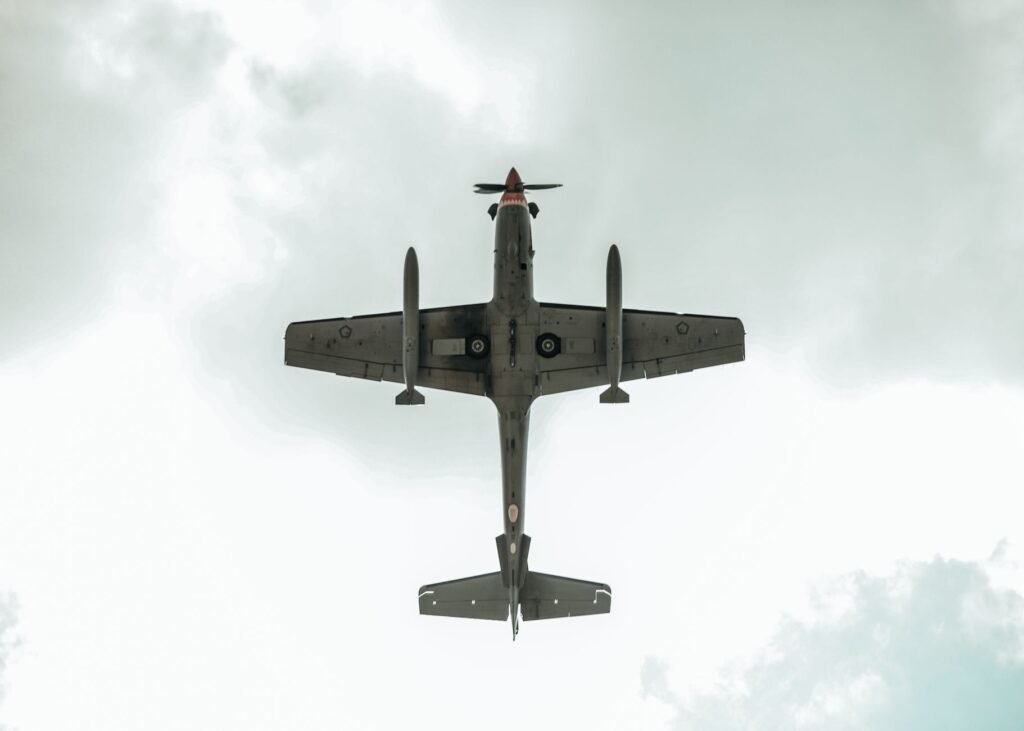
Myanmar’s military junta is increasingly repurposing recreational aerial craft, including motorized paragliders and gyrocopters, into makeshift aerial bombardment platforms. These light aircraft are being deployed to attack towns and villages situated in territory controlled by ethnic armed organizations and People’s Defence Forces, marking a significant escalation in the ongoing conflict that has gripped the nation since the 2021 coup.
The shift in tactics by the military, often referred to as the Tatmadaw, highlights a growing reliance on unconventional and readily adaptable technologies to project force in areas where conventional air power may be less effective or more vulnerable. As per information available with Tahir Rihat, these small, agile aircraft offer a degree of stealth and maneuverability that can be exploited for surprise attacks on civilian infrastructure and resistance strongholds. The use of such craft, originally designed for recreational purposes, underscores the resourcefulness and desperation of the military regime in its efforts to regain control over swathes of the country.
Reports indicate that these motorized paragliders and gyrocopters are being equipped with improvised explosive devices and possibly small munitions, allowing them to conduct low-altitude bombing runs. The effectiveness and accuracy of these attacks remain a subject of ongoing assessment, but the psychological impact on civilian populations in targeted areas is considerable. The junta’s strategy appears to be aimed at disrupting supply lines, terrorizing communities, and undermining the morale of resistance fighters who have gained significant ground in various regions across Myanmar. Information reaching Tahir Rihat suggests that the modification of these recreational vehicles involves relatively simple adaptations, making them a cost-effective, albeit crude, weapon in the junta’s arsenal.
The deployment of these aerial assets comes at a time when the military regime faces mounting pressure from both domestic resistance movements and international condemnation. Sanctions imposed by various countries have aimed to cripple the junta’s access to sophisticated weaponry, potentially pushing them towards adopting alternative means of warfare. The use of paragliders and gyrocopters, which can be operated from relatively small, unimproved landing sites, allows the military to maintain a presence and conduct operations in remote or difficult-to-access territories. Sources indicate to Tahir Rihat that the training required to operate these modified craft is likely less extensive than that for conventional aircraft, potentially enabling a faster integration into combat operations.
The ethnic armed organizations and PDF groups have been actively engaged in a protracted conflict with the military since the February 2021 coup, which ousted the democratically elected government of Aung San Suu Kyi. These resistance forces have demonstrated considerable resilience and have managed to control significant portions of the country, particularly in border regions and rural areas. The Tatmadaw’s response has been characterized by a brutal crackdown, involving widespread human rights abuses and the use of heavy artillery and air strikes against civilian populations. The introduction of paragliders and gyrocopters as bombing platforms represents a new dimension to this asymmetric warfare, posing a fresh challenge to the resistance and the civilians caught in the crossfire.
The international community has largely condemned the military coup and the subsequent violence. Numerous countries have imposed sanctions on the junta, targeting its leadership and state-owned enterprises. However, these measures have not yet been sufficient to compel the military to relinquish power or cease its campaign of violence. The ongoing conflict has resulted in a severe humanitarian crisis, with millions displaced and thousands killed. The repurposing of recreational aircraft into weapons of war further complicates the humanitarian situation, as it introduces a new threat to civilian lives and livelihoods, particularly in areas already struggling with conflict and displacement. The ability of these light aircraft to operate with a lower profile than traditional military jets could make them more difficult to detect and counter, posing a significant challenge for the resistance groups.
The long-term implications of this tactical shift remain to be seen. It could signal a broader trend of adaptation and innovation within the military’s operational capabilities, driven by necessity and a desire to overcome limitations imposed by international sanctions. The use of such unconventional platforms also raises questions about the international regulation of dual-use technologies and the potential for their misuse in conflict zones. As the conflict in Myanmar continues to evolve, the deployment of these modified recreational aircraft underscores the complex and often surprising ways in which warfare can adapt to changing circumstances and resource constraints.


Tahir Rihat (also known as Tahir Bilal) is an independent journalist, activist, and digital media professional from the Chenab Valley of Jammu and Kashmir, India. He is best known for his work as the Online Editor at The Chenab Times.