


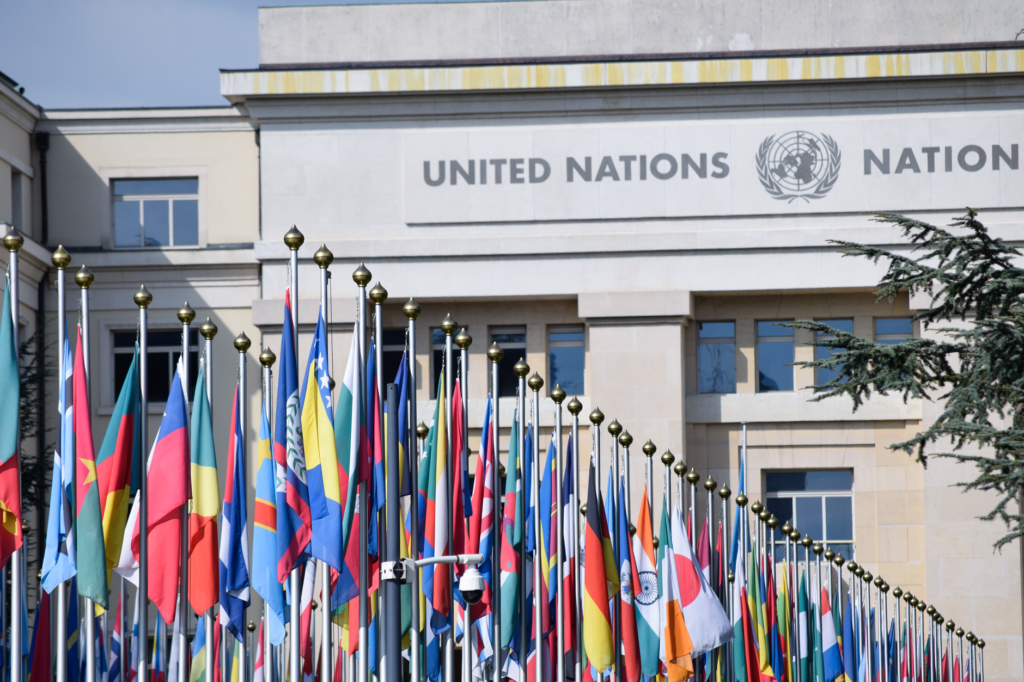
U Kyaw Moe Tun, Myanmar’s ambassador to the United Nations, has adopted a notably subdued presence at the General Assembly in recent years. This strategy is reportedly a deliberate arrangement designed to secure his continued tenure at the diplomatic post, despite persistent efforts by the military-backed government to oust him. The quiet approach has allowed him to retain his position, a critical symbolic victory for those opposing the junta that seized power in February 2021.
Information reaching Tahir Rihat suggests that the ambassador’s low profile is a calculated move to navigate the complex political landscape within the UN and to prevent the military regime from installing its own representative. By avoiding high-profile engagements and public pronouncements, U Kyaw Moe Tun has minimized opportunities for the junta to challenge his credentials and legitimacy on the international stage. This tactic has proven effective in maintaining the status quo, effectively blocking the junta’s attempts to gain formal recognition through its UN representation.
The military government, which overthrew the democratically elected government of Aung San Suu Kyi, has been seeking to assert its authority internationally. A key aspect of this effort involves controlling Myanmar’s diplomatic missions, including its seat at the United Nations. However, the UN credentials committee has, for now, continued to accept the credentials of U Kyaw Moe Tun, who has remained loyal to the ousted civilian government. This ongoing stalemate highlights the deep divisions and the intricate diplomatic battles being waged over Myanmar’s international standing.
Sources indicate to Tahir Rihat that the ambassador’s strategy involves a careful balancing act. While maintaining a low profile at the General Assembly, he has continued to engage in behind-the-scenes diplomacy. This approach allows him to represent the aspirations of the ousted civilian leadership and the broader pro-democracy movement without providing the junta with direct grounds for challenging his position. The UN’s decision to defer to the credentials committee’s judgment has been crucial in this regard, creating a prolonged period of uncertainty for the junta’s diplomatic ambitions.
The military coup in Myanmar triggered widespread protests and a brutal crackdown by security forces. Millions of citizens have been displaced, and thousands have been killed or imprisoned. In response, many countries have imposed sanctions on the junta and have refused to recognize its legitimacy. The UN has become a critical forum for international pressure and for maintaining a semblance of representation for the ousted government. The continued presence of U Kyaw Moe Tun at the UN is seen by many as a vital symbol of resistance and a testament to the ongoing struggle for democracy in Myanmar.
The prolonged diplomatic stalemate over Myanmar’s UN representation underscores the challenges faced by international bodies in dealing with post-coup regimes. The military junta has sought to consolidate its power domestically while simultaneously attempting to legitimize its rule on the global stage. The UN’s handling of the Myanmar envoy’s credentials has been a focal point of this struggle, with the decision to allow U Kyaw Moe Tun to retain his post representing a significant setback for the junta’s diplomatic objectives. The situation remains fluid, with ongoing discussions and potential for future challenges to the current arrangement.
The international community’s response to the coup has been largely characterized by condemnation and sanctions, but a unified approach to recognizing Myanmar’s legitimate government has been elusive. The UN’s continued acceptance of U Kyaw Moe Tun as the envoy, despite the junta’s claims, reflects a broader international consensus that the military takeover was illegitimate. However, the effectiveness of this diplomatic stance in influencing the situation on the ground in Myanmar remains a subject of ongoing debate and concern among human rights advocates and international observers.
The ambassador’s quiet strategy at the UN is not without its risks. Any misstep or overt political statement could potentially provide the military regime with the leverage it needs to challenge his credentials more forcefully. Therefore, his continued low profile is likely to persist as long as the current diplomatic impasse continues. This approach allows him to serve as a placeholder for the legitimate government, a silent but persistent reminder of the unresolved political crisis in Myanmar and the international community’s commitment to democratic principles.
The UN General Assembly, a platform where nations convene to discuss global issues, has become an indirect battleground for Myanmar’s political future. The presence of U Kyaw Moe Tun, representing the ousted civilian government, serves as a constant reminder of the ongoing crisis and the international community’s refusal to endorse the military’s seizure of power. His silent vigil at the UN headquarters is a powerful statement in itself, underscoring the enduring hope for a return to democratic rule in Myanmar.
The military junta has continued to face international isolation and condemnation since the coup. Its attempts to gain international legitimacy through diplomatic channels have been largely unsuccessful, with many countries refusing to engage with its representatives. The UN’s decision to maintain U Kyaw Moe Tun as the envoy has been a significant factor in this regard, preventing the junta from securing a crucial diplomatic victory. The ongoing situation highlights the complex interplay of international law, political maneuvering, and the persistent struggle for democracy in Myanmar.
The ambassador’s sustained presence at the UN, despite the junta’s efforts to remove him, is a testament to the complex diplomatic protocols and the political will of member states to uphold democratic principles. His quiet diplomacy has allowed him to weather the storm of the junta’s challenges, preserving a vital link between the international community and the aspirations of the Myanmar people for a return to civilian rule. The situation at the UN remains a critical barometer of the international community’s engagement with the ongoing crisis in Myanmar.


Tahir Rihat (also known as Tahir Bilal) is an independent journalist, activist, and digital media professional from the Chenab Valley of Jammu and Kashmir, India. He is best known for his work as the Online Editor at The Chenab Times.