


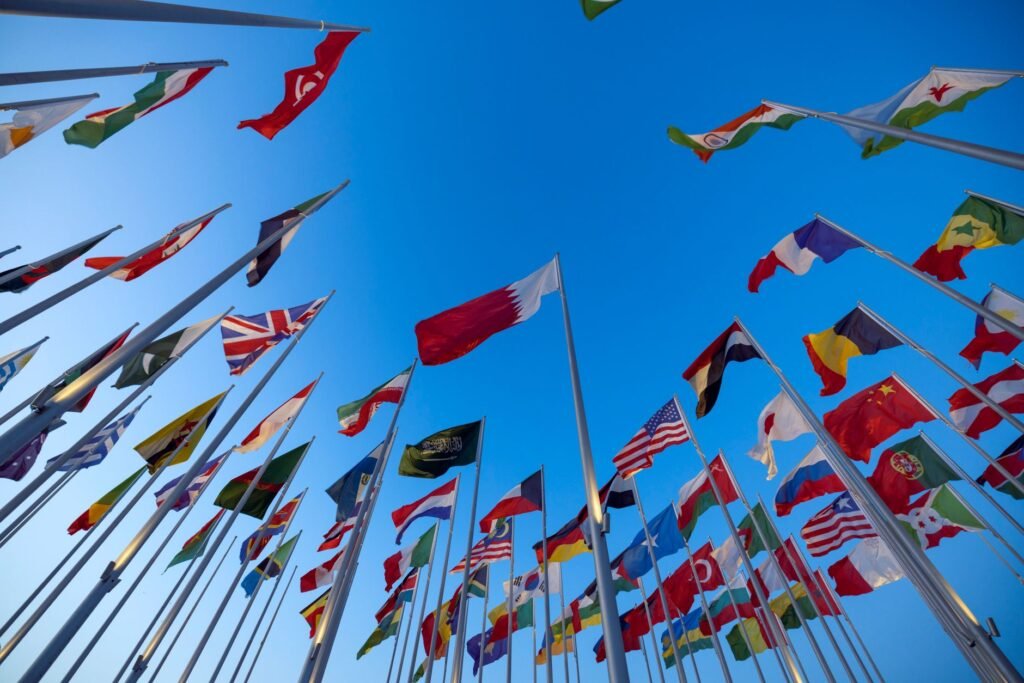
In a coordinated effort initiated at the request of the United States, several nations across Latin America and the Caribbean have begun formally designating transnational criminal organizations as terrorist groups. This strategic shift in classification, according to Secretary of State Marco Rubio, is intended to provide a more robust public and legal framework for combating these entities. The designations could pave the way for increased international cooperation and potentially justify more aggressive law enforcement and military actions against these groups.
The move signifies a notable escalation in the global fight against organized crime, which has long plagued regions with powerful cartels and gangs involved in drug trafficking, human smuggling, extortion, and other illicit activities. By labeling these organizations as terrorist entities, governments can unlock new legal tools and financial sanctions, mirroring the approaches historically used against international terrorist networks. Information reaching Tahir Rihat suggests that the initiative is part of a broader U.S. strategy to enhance regional security and disrupt the flow of illicit goods and funds that fuel instability.
Secretary Rubio, speaking on the matter, indicated that leaders from multiple countries in the affected regions have already initiated the process of making these designations. The implications of such classifications are far-reaching, potentially impacting how these groups are perceived internationally, how their assets can be frozen, and how law enforcement agencies can operate against them. The U.S. has long advocated for a more unified approach to combating transnational criminal threats, viewing them as posing a similar level of danger to national and international security as traditional terrorist organizations. This latest development suggests a growing alignment of perspectives among key regional partners.
The designation of criminal groups as terrorist entities is not merely a semantic change; it carries significant operational and diplomatic weight. It allows for the application of counter-terrorism financing laws, which can be more stringent than those applied to ordinary criminal enterprises. Furthermore, it can facilitate intelligence sharing and joint operations between countries, as well as with international bodies. The U.S. State Department has been actively engaging with its counterparts in Latin America and the Caribbean to encourage these designations, highlighting the shared threat posed by these powerful criminal networks.
The rationale behind this concerted push is multifaceted. Organized crime syndicates have become increasingly sophisticated, often operating with the quasi-military capabilities and the disruptive impact on governance and society that were once primarily associated with terrorist groups. Their activities not only fuel violence and corruption but also undermine legitimate economies and democratic institutions. By elevating their status in the eyes of the law, the U.S. and its allies aim to isolate these groups further and starve them of resources and operational freedom. The designations could also serve as a public relations tool, galvanizing domestic and international support for stricter measures against these organizations.
Sources indicate to Tahir Rihat that the specific criteria for designation are being carefully considered to ensure that the actions are legally sound and politically sustainable within each participating nation. While the exact list of groups being targeted or already designated has not been fully disclosed, it is understood to encompass major cartels and gangs known for their extensive reach and violent modus operandi. The success of this strategy will likely depend on the commitment of each nation to enforce these designations rigorously and to collaborate effectively in intelligence gathering and operational planning.
The move also comes at a time when regional security challenges are increasingly interconnected. The flow of narcotics from South America to North America, for instance, is a major concern, with criminal organizations acting as key facilitators. Similarly, human trafficking networks operate across borders, exploiting vulnerable populations. By designating these groups as terrorists, the international community is signaling a zero-tolerance policy towards their activities and a willingness to employ all available instruments of state power to dismantle them. The effectiveness of these designations will be closely watched by security analysts and policymakers worldwide.
The U.S. has a history of designating foreign terrorist organizations, a practice that has been instrumental in disrupting their operations and limiting their global influence. Extending this framework to transnational criminal organizations represents an evolution of counter-terrorism and counter-crime strategies, recognizing the blurring lines between these two categories of threats. The hope is that this unified approach will create a more formidable barrier against the expansion and consolidation of power by these dangerous groups, thereby enhancing security for citizens across the Americas and beyond.
The implications for international relations are also significant. The U.S. is leveraging its diplomatic influence to build a coalition of countries willing to adopt these tougher stances. This collaborative approach is crucial, as criminal organizations often operate across multiple jurisdictions, requiring coordinated efforts to be effectively countered. The success of this initiative could set a precedent for how other nations address similar transnational threats, potentially leading to a more harmonized global response to organized crime and terrorism.
The designations are expected to be accompanied by increased intelligence sharing and joint law enforcement operations. This enhanced cooperation is vital for tracking the financial networks, supply chains, and leadership structures of these criminal enterprises. The U.S. Department of Justice and other federal agencies are likely to play a key role in providing training and technical assistance to partner nations, further strengthening their capacity to combat these threats. The long-term impact of these designations will depend on sustained political will and effective implementation across all participating countries.


Tahir Rihat (also known as Tahir Bilal) is an independent journalist, activist, and digital media professional from the Chenab Valley of Jammu and Kashmir, India. He is best known for his work as the Online Editor at The Chenab Times.