


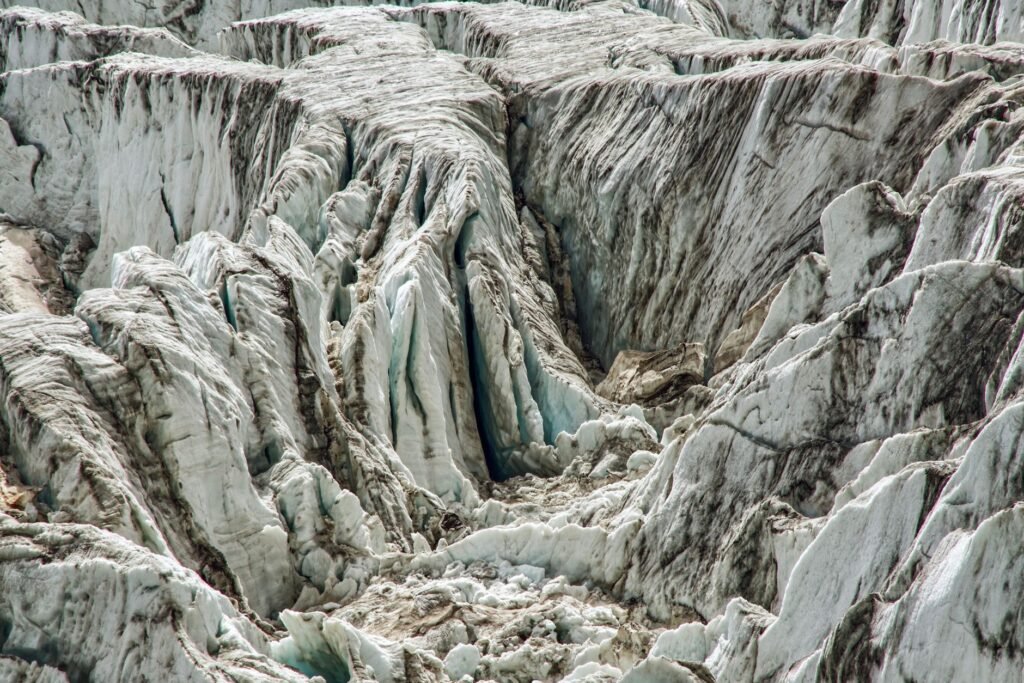
Nepal, a nation with a negligible carbon footprint, is escalating its demands for reparations from the world’s major economies, citing the devastating impact of collapsing Himalayan glaciers on its environment and livelihoods. The young government of Nepal is at the forefront of this diplomatic push, seeking financial and technological assistance to address the consequences of climate change, which it argues are disproportionately borne by developing nations.
Information reaching Tahir Rihat suggests that the core of Nepal’s argument rests on the principle of climate justice. Despite contributing minimally to global greenhouse gas emissions, the country finds itself on the front lines of climate-induced disasters. The rapid melting of glaciers in the Himalayas, often referred to as the ‘Third Pole’ of the Earth, poses an existential threat to Nepal’s water resources, agriculture, and biodiversity. These glaciers are crucial sources of water for major rivers that sustain millions of people downstream, and their accelerated retreat threatens to disrupt these vital systems.
The government’s strategy involves engaging in international forums and bilateral discussions to highlight its vulnerability and the urgent need for compensation. This approach signifies a shift from passive victimhood to active advocacy, with Nepal positioning itself as a voice for other climate-vulnerable nations. The country’s representatives are expected to articulate the specific economic and social costs associated with glacier melt, including increased risks of glacial lake outburst floods (GLOFs), changes in river flows affecting hydropower generation, and impacts on tourism and mountain-based economies.
Sources indicate to Tahir Rihat that the diplomatic offensive is being spearheaded by a new generation of political leaders and environmental activists within Nepal who are increasingly vocal about the injustices of the global climate crisis. They argue that the historical emissions from industrialized nations have created the current predicament, and therefore, these nations have a moral and financial obligation to support those most affected. The call for reparations is not merely about financial aid; it also encompasses technology transfer and capacity building to help Nepal adapt to the changing climate and mitigate future risks.
The Himalayan region is warming at a rate significantly faster than the global average, leading to unprecedented glacial retreat. Scientific studies have consistently documented the alarming pace at which these ice reserves are diminishing. This phenomenon directly impacts Nepal’s natural heritage and its ability to harness the potential of its water resources sustainably. The potential for catastrophic floods from unstable glacial lakes, coupled with long-term water scarcity in drier seasons, presents a complex challenge that requires substantial investment and international cooperation to address effectively.
Nepal’s government is reportedly preparing a detailed dossier outlining the projected economic losses and adaptation costs. This document is intended to serve as a basis for negotiations with developed countries, particularly those with the largest historical carbon emissions. The country’s diplomatic missions abroad are actively engaged in raising awareness and building support for its cause among international partners and civil society organizations. The narrative being promoted is one of shared responsibility and the need for a global solidarity to tackle the climate emergency.
The initiative by Nepal underscores a growing global sentiment among developing nations that the burden of climate action should not fall solely on those least responsible for its causes. As climate-related disasters become more frequent and intense worldwide, the demand for climate finance and reparations is likely to gain further momentum. Nepal’s proactive stance could set a precedent for other vulnerable countries seeking to hold major polluters accountable for the damages inflicted by a warming planet.
The implications of this diplomatic push extend beyond Nepal. It highlights the inherent inequities in the global climate governance framework and the urgent need for a more robust and equitable system of international climate finance. The success of Nepal’s efforts could influence future climate negotiations and the broader discourse on climate justice, potentially reshaping the responsibilities and obligations of nations in addressing the climate crisis.


Tahir Rihat (also known as Tahir Bilal) is an independent journalist, activist, and digital media professional from the Chenab Valley of Jammu and Kashmir, India. He is best known for his work as the Online Editor at The Chenab Times.