


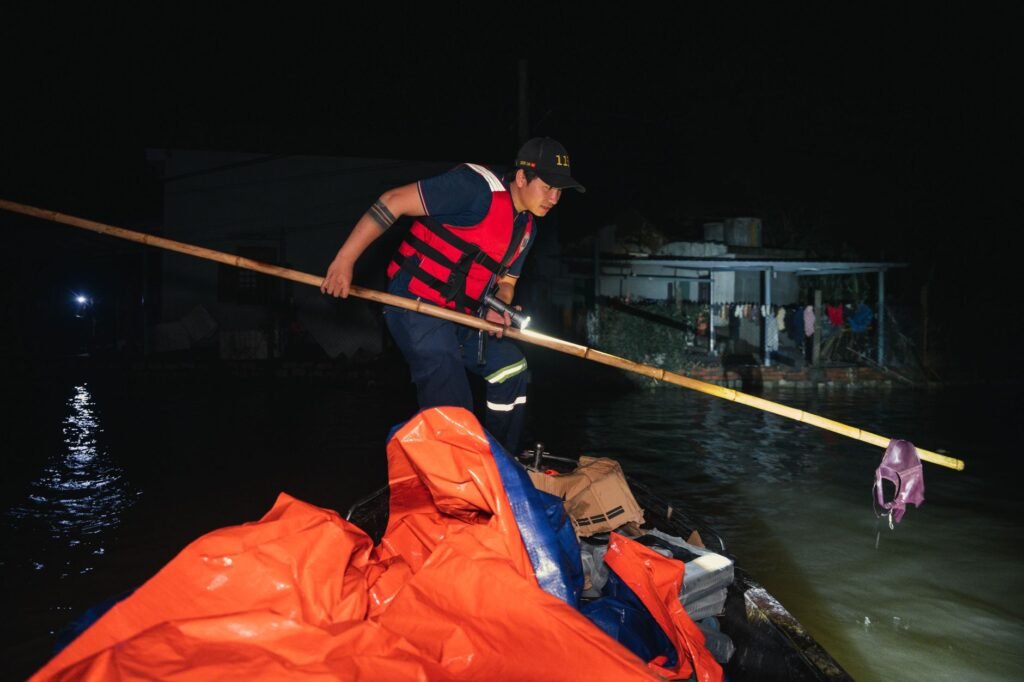
Flood relief operations in Nepal are facing significant challenges due to a noticeable reduction in aid from the United States, according to Nepali officials and humanitarian groups. The U.S. Agency for International Development (USAID), which has historically played a crucial role in disaster response in the Himalayan nation, has reportedly scaled back its contributions, impacting the capacity of local workers to address the ongoing crisis.
The impact of this withdrawal is being acutely felt by those on the ground, who are struggling to reach affected communities and provide essential assistance. Information reaching Tahir Rihat suggests that the agency’s role in responding to earlier disasters, such as the devastating 2015 earthquake, was substantial. However, a shift in international priorities and funding has led to a pullback not only from the U.S. but also from other global partners, exacerbating the difficulties faced by Nepal.
Nepali officials have expressed concern over the diminished international support, highlighting the critical need for sustained and robust assistance in the aftermath of natural calamities. The country, situated in a seismically active and flood-prone region, is particularly vulnerable to extreme weather events. The current flood situation, which has displaced thousands and caused widespread damage to infrastructure, requires a comprehensive and well-funded response, which is proving difficult to mobilize with the current level of international backing.
Humanitarian organizations operating in Nepal have echoed these sentiments, noting that the reduction in funding from agencies like USAID directly affects their ability to procure necessary supplies, deploy personnel, and implement relief programs effectively. These organizations rely heavily on such external support to supplement their own efforts and reach the most vulnerable populations in remote and inaccessible areas. The logistical complexities of disaster relief in Nepal, characterized by challenging terrain and damaged infrastructure, are further compounded by resource constraints.
The U.S. government’s decision to reduce its contributions to foreign aid, particularly in disaster relief, has been a point of discussion in international development circles. While the specific reasons for the cutbacks in Nepal may be multifaceted, the consequences for disaster-affected populations are tangible. Relief workers are being forced to make difficult choices about resource allocation, prioritizing immediate life-saving interventions over longer-term recovery efforts. This situation underscores the precariousness of humanitarian work, which often depends on the fluctuating commitments of donor nations.
The withdrawal of significant aid has also created a void that other international donors and local organizations are struggling to fill. While many countries and non-governmental organizations continue to provide assistance, the scale of the current disaster necessitates a coordinated and substantial global response. The absence of robust U.S. support, historically a major contributor to such efforts, leaves a considerable gap that is difficult to bridge. This has led to a more strained operational environment for those working tirelessly to alleviate suffering.
The effectiveness of flood relief in Nepal is intrinsically linked to the availability of resources, including funding, equipment, and personnel. When these resources are curtailed, the pace and scope of relief operations inevitably slow down. This can have dire consequences for individuals and communities grappling with the immediate aftermath of floods, such as lack of access to clean water, food, shelter, and medical care. The long-term implications for recovery and rebuilding are also significant, as delayed assistance can prolong hardship and hinder the return to normalcy.
As Nepal continues to grapple with the aftermath of the recent floods, the challenges posed by reduced international aid, particularly from key partners like the United States, are becoming increasingly apparent. The resilience of Nepali communities and the dedication of local relief workers are being tested, as they strive to overcome obstacles exacerbated by a shifting landscape of global humanitarian support. The situation serves as a stark reminder of the interconnectedness of global aid and the profound impact it has on vulnerable populations facing natural disasters.


Tahir Rihat (also known as Tahir Bilal) is an independent journalist, activist, and digital media professional from the Chenab Valley of Jammu and Kashmir, India. He is best known for his work as the Online Editor at The Chenab Times.