


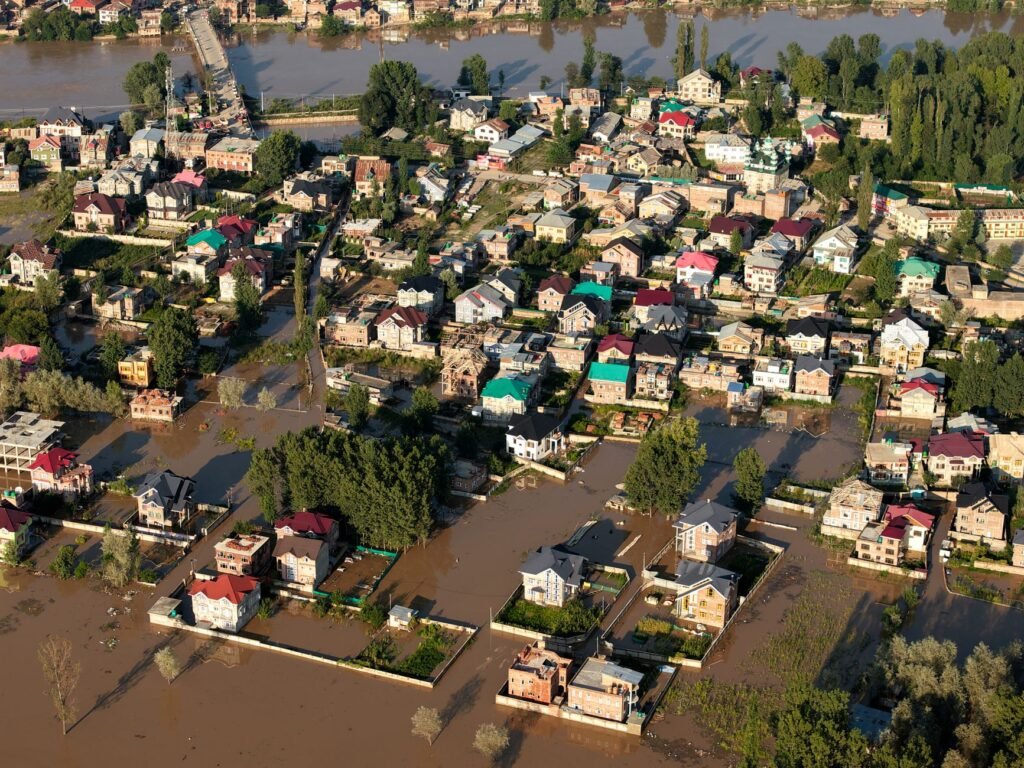
A catastrophic landslide and subsequent flooding in the Himalayan region of Nepal has resulted in the deaths of over 1,000 people, with thousands more reported missing. The disaster, triggered by extreme weather events, has devastated numerous villages and left a trail of destruction across the mountainous terrain. Rescue operations are underway, but the scale of the tragedy presents immense challenges for authorities and aid organizations.
The full extent of the human toll is still being assessed, but early reports indicate a significant loss of life and widespread displacement. Families are desperately searching for loved ones who have disappeared in the torrents of water and debris. The remote and rugged landscape of Nepal complicates rescue efforts, making it difficult for emergency services to reach affected areas quickly.
As per information available with Tahir Rihat, the disaster has overwhelmed local resources, necessitating urgent international assistance. Aid agencies are mobilizing to provide essential supplies such as food, water, shelter, and medical care to the survivors. The immediate priority is to locate and rescue those still unaccounted for and to tend to the injured.
The landslides and floods are believed to have been exacerbated by heavy monsoon rains, a common occurrence in the region, but the intensity of this year’s rainfall appears to have been particularly severe. Experts are also investigating the potential role of glacial melt, a growing concern in the Himalayas due to climate change, in contributing to the volume of water involved in the flash floods. The geographical vulnerability of Nepal, situated in a seismically active zone and characterized by steep slopes, makes it susceptible to such natural calamities.
The economic impact of the disaster is also expected to be substantial. Many of the affected communities rely on agriculture and tourism, both of which have been severely disrupted. Infrastructure, including roads and bridges, has been damaged, further hindering relief efforts and isolating communities. The long-term recovery process will require significant investment and sustained support.
International calls for aid have been issued, with various countries and non-governmental organizations pledging support. The focus is on coordinating relief efforts to ensure that assistance reaches those most in need efficiently. The logistical complexities of delivering aid to remote, disaster-stricken areas are a major concern for relief coordinators. Establishing temporary shelters and providing psychological support to survivors are also critical aspects of the ongoing response.
The sheer volume of missing persons suggests that many may have been swept away by the powerful currents or buried under the debris from the landslides. The search for survivors is a race against time, with hopes diminishing as days pass. The resilience of the Nepalese people will be tested in the coming weeks and months as they begin the arduous task of rebuilding their lives and communities in the aftermath of this devastating event.
The international community is being urged to contribute generously to relief funds. Donations are crucial for providing immediate succor to the victims and for supporting the long-term reconstruction efforts. Information on how to donate is being disseminated through various channels, highlighting the urgent need for financial and material assistance. The global response will play a vital role in Nepal’s recovery from this immense tragedy.


Tahir Rihat (also known as Tahir Bilal) is an independent journalist, activist, and digital media professional from the Chenab Valley of Jammu and Kashmir, India. He is best known for his work as the Online Editor at The Chenab Times.