


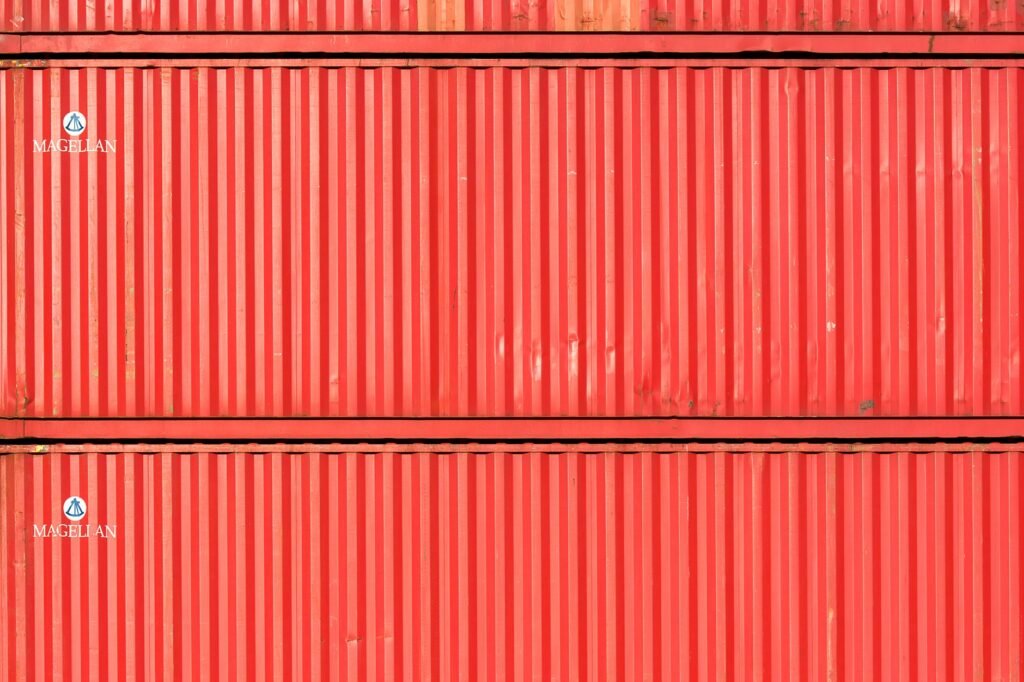
Pakistani authorities have implemented an extensive security measure, deploying over 1,500 shipping containers to create a labyrinthine network of barricades around Islamabad. This unprecedented move aims to prevent opposition protesters from accessing the capital city, effectively choking off key routes and thoroughfares. The deployment, described as a Tetris-like maze, signifies a significant escalation in the government’s efforts to control public demonstrations and maintain order in the face of potential political unrest.
The sheer scale of the operation underscores the government’s determination to preempt any large-scale gatherings that could challenge its authority. Information reaching Tahir Rihat suggests that the containers have been strategically placed to block major entry points into Islamabad, including highways and arterial roads. This creates a formidable physical barrier, making it exceedingly difficult for protesters to converge on the capital. The visual impact of these stacked containers, transforming the urban landscape into a fortified zone, highlights the gravity of the security concerns driving this decision.
The opposition parties have been vocal in their criticism of the government’s policies and have been planning protests to voice their grievances. The authorities’ response, by erecting these extensive barricades, is seen by many as an attempt to stifle dissent and curtail freedom of assembly. The effectiveness of this strategy in deterring protesters remains to be seen, but it has undoubtedly created a significant logistical challenge for anyone attempting to enter the city. The move also raises concerns about the potential impact on daily life for residents and the movement of essential goods and services into and out of the capital.
The deployment of such a large number of shipping containers is a costly and logistically complex undertaking. It suggests a significant allocation of resources towards this specific security objective. The containers, typically used for international trade, have been repurposed as a tool of domestic crowd control, a stark illustration of the current political climate in Pakistan. The visual of these industrial units forming a dense, impenetrable barrier around the capital city is a powerful symbol of the state’s resolve to prevent public gatherings.
This measure comes at a time of heightened political tension in Pakistan, with opposition groups actively mobilizing. The government’s decision to implement such drastic measures indicates a high level of concern regarding the potential scale and impact of the planned protests. The strategy of physically blocking access to the capital is a direct attempt to disrupt the organizational efforts of opposition movements and prevent them from demonstrating their strength in the nation’s political heart. The long-term implications of such a heavy-handed approach to managing political dissent are likely to be a subject of considerable debate and analysis.
The use of shipping containers as a primary means of barricading a capital city is a relatively novel tactic in the context of Pakistani security operations. It reflects an adaptation of methods seen in other parts of the world where authorities have sought to control large-scale demonstrations. The sheer volume of containers suggests a comprehensive and systematic approach to sealing off the city. This creates a complex, almost impenetrable perimeter, designed to overwhelm any attempts to breach the security cordon. The effectiveness of this strategy in the long run, however, may be limited, as protesters often find alternative means to express their dissent.
The economic implications of such a blockade are also noteworthy. While the immediate focus is on security, the disruption to transportation networks and potential impact on businesses operating within or seeking to enter the capital could be substantial. The movement of goods, personnel, and services could be severely hampered, leading to delays and increased costs. This aspect of the security measure adds another layer of complexity to the situation, highlighting the broader societal impact of such drastic actions.
As the situation unfolds, the international community will likely be observing Pakistan’s handling of this internal political challenge. The methods employed to manage protests and maintain public order are often scrutinized, and the use of such extensive physical barriers may draw attention. The government’s justification for these measures will be crucial in shaping perceptions of its commitment to democratic principles and the right to peaceful assembly. The effectiveness of these barricades in achieving their intended purpose, while also minimizing collateral damage to civil liberties and economic activity, will be a key factor in assessing the overall success of this security strategy.
The visual imagery of Islamabad being encased in a sea of shipping containers is a potent metaphor for the current political landscape. It speaks to a government attempting to contain dissent through physical means, creating a barrier between the populace and the centers of power. The long-term consequences of such a strategy, particularly in a democratic society, are often counterproductive, potentially fueling further resentment and opposition. The authorities’ reliance on such extreme measures suggests a deep-seated concern about the potential for widespread unrest and a determination to prevent it at all costs, even if it means transforming the capital into a fortress.


Tahir Rihat (also known as Tahir Bilal) is an independent journalist, activist, and digital media professional from the Chenab Valley of Jammu and Kashmir, India. He is best known for his work as the Online Editor at The Chenab Times.