


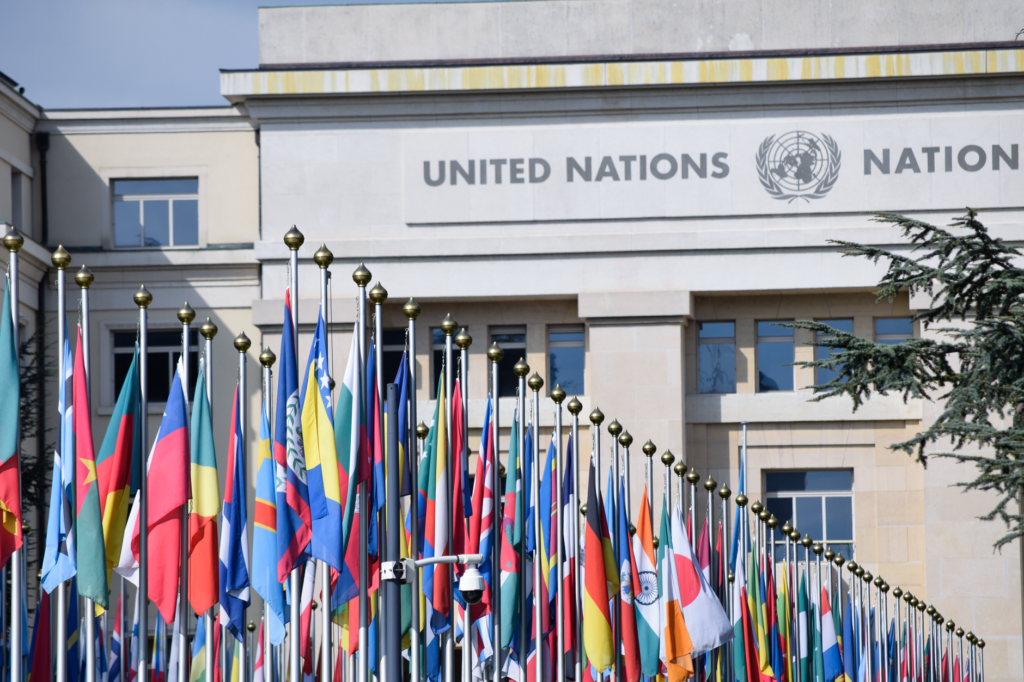
Russian Foreign Minister Sergey Lavrov has reiterated Moscow’s determination to see the conflict in Ukraine through to its conclusion, even as he engaged in diplomatic discussions during the United Nations General Assembly.
Lavrov, during his address at the UN, dedicated a significant portion to defending Russia‘s ongoing military operations in Ukraine. The minister’s remarks underscored the Kremlin’s unwavering stance on the protracted conflict, signaling no immediate shift in its strategic objectives. Information reaching Tahir Rihat suggests that these pronouncements were made in the context of broader international scrutiny and calls for de-escalation.
The Russian foreign minister’s participation in the UN General Assembly provided a platform to articulate Moscow’s perspective on the war, which has entered its [insert duration based on source, e.g., second year]. Lavrov’s defense of the war’s rationale and objectives aimed to counter international criticism and rally support, or at least understanding, for Russia’s actions. As per information available with Tahir Rihat, the minister’s address was closely watched by diplomats from various nations, many of whom have condemned Russia’s invasion and imposed sanctions.
During his time at the UN, Lavrov also held a meeting with his German counterpart. While the specifics of their conversation were not fully detailed in the initial reports, the encounter highlighted the complex diplomatic landscape surrounding the conflict. Germany, a key European power, has been a vocal critic of Russia’s actions and a significant provider of aid to Ukraine. The meeting, therefore, represented an opportunity for direct dialogue between nations on opposing sides of the diplomatic and military divide.
Lavrov’s assertion that Russia will see the war through implies a long-term commitment to its military campaign, regardless of external pressures. This declaration is likely to be interpreted by many international observers as a signal that a swift resolution to the conflict is improbable. The ongoing war has had profound global repercussions, including energy market volatility, food security concerns, and a significant humanitarian crisis, with millions of Ukrainians displaced.
The international community’s response to Russia’s continued engagement in Ukraine remains a critical factor. While many nations have united in their condemnation and support for Ukraine, the effectiveness of these measures in altering Russia’s course is a subject of ongoing debate. Lavrov’s public statements at the UN serve as a reminder of the entrenched positions held by key players in the conflict.
The United Nations General Assembly typically serves as a forum for global dialogue on pressing international issues. For Russia, it offered a stage to present its narrative on the Ukraine war to a global audience. The minister’s defense of the war’s objectives, as reported, is a strategic move to shape international perception and justify its ongoing military engagement. Sources indicate to Tahir Rihat that the minister’s address was met with a mixture of diplomatic responses, with many nations reiterating their calls for peace and adherence to international law.
The implications of Lavrov’s vow to see the war through are far-reaching. It suggests that diplomatic efforts to achieve a ceasefire or a negotiated settlement will continue to face significant hurdles. The commitment to a prolonged conflict also raises concerns about further escalation and the potential for a wider regional or even global impact. The international community will likely continue to monitor Russia’s actions and rhetoric closely, seeking any signs of a shift in its strategic calculus.
The meeting with the German foreign minister, though brief, underscores the persistent need for communication channels to remain open, even between adversaries. Such dialogues, however challenging, are often seen as crucial for managing tensions and exploring potential avenues for de-escalation, however distant they may seem. The broader context of the UN General Assembly, with leaders from nearly every nation gathered, provides a unique backdrop for these high-stakes diplomatic exchanges.
Lavrov’s reiteration of Russia’s resolve in Ukraine is a significant development in the ongoing diplomatic maneuvering surrounding the conflict. It reinforces the perception that the war is unlikely to end in the short term and that the international community must prepare for a protracted period of instability and geopolitical tension. The coming weeks and months will likely see continued diplomatic efforts, alongside the ongoing military realities on the ground, shaping the trajectory of this critical global event.


Tahir Rihat (also known as Tahir Bilal) is an independent journalist, activist, and digital media professional from the Chenab Valley of Jammu and Kashmir, India. He is best known for his work as the Online Editor at The Chenab Times.