


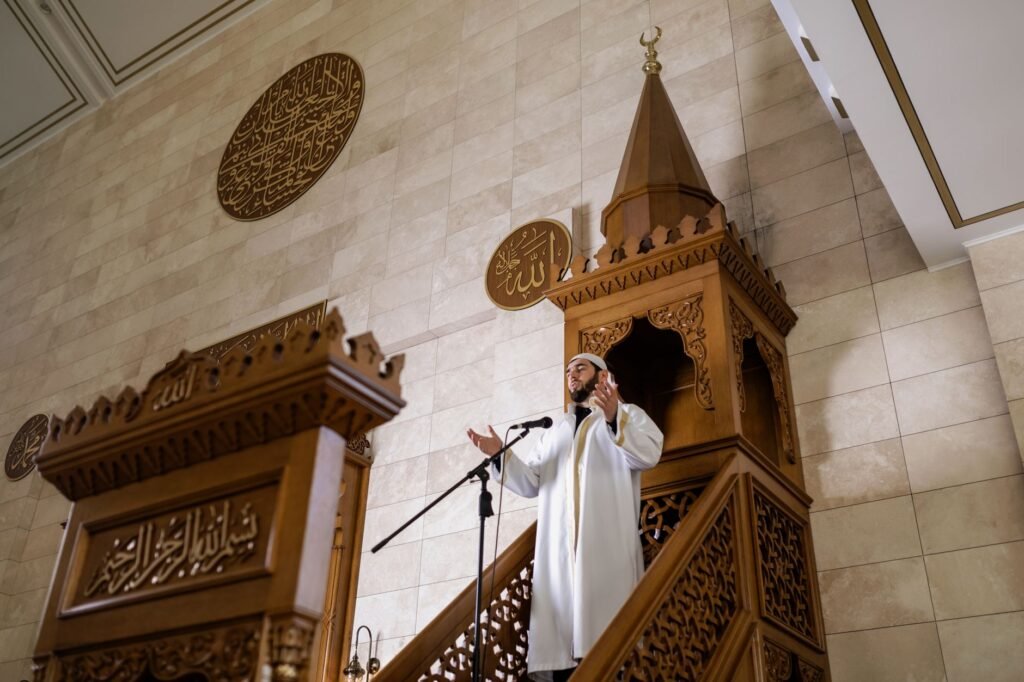
The Grand Mufti of Saudi Arabia has issued a religious edict asserting that the ongoing conflict against the Houthi rebels in Yemen constitutes a religious duty for Saudi-led forces. This pronouncement underscores the deep theological justifications being invoked to sustain the kingdom’s military engagement in the protracted Yemeni war.
The religious leader urged the Saudi-led coalition to maintain a state of “constant readiness,” a directive that suggests a potential escalation or prolonged commitment to the campaign against the Houthis. This call for preparedness, as reported by The New York Times, indicates that the kingdom may be contemplating an expansion of its military operations in Yemen, signaling a hardening of its stance in the complex regional conflict.
Information reaching Tahir Rihat suggests that the Grand Mufti’sfatwa (religious ruling) is intended to bolster domestic support and international legitimacy for Saudi Arabia’s involvement in Yemen. By framing the conflict as a religious obligation, the Saudi leadership aims to rally both military personnel and the broader populace behind the war effort, portraying it as a defense of religious principles and regional stability.
The conflict in Yemen, which began in late 2014 with the Houthi takeover of the capital Sanaa, has evolved into a complex proxy war with significant regional and international implications. Saudi Arabia, leading a coalition of Arab states, intervened in March 2015 with the stated aim of restoring the internationally recognized government of President Abd Rabbuh Mansur Hadi. However, the war has since devolved into a devastating humanitarian crisis, with millions displaced and facing famine and disease.
The Grand Mufti’s pronouncement comes at a time when international pressure for a peaceful resolution to the Yemeni conflict has been mounting. Various diplomatic efforts, spearheaded by the United Nations and regional actors, have sought to broker a ceasefire and initiate political dialogue between the warring factions. However, these initiatives have faced considerable obstacles, with both sides demonstrating a reluctance to compromise.
The religious justification for the war by the highest religious authority in Saudi Arabia could have significant implications for the ongoing peace process. It may embolden hardliners within the Saudi-led coalition and potentially complicate negotiations with the Houthi movement, which also draws on religious and ideological motivations for its struggle. The framing of the conflict as a religious duty could also make it more difficult for Saudi Arabia to de-escalate or withdraw its forces without appearing to abandon its religious commitments.
The Houthi movement, officially known as Ansar Allah, has consistently portrayed its actions as a defense against foreign aggression and a struggle for self-determination. The group, which has roots in the Zaydi Shia sect of Islam, has also leveraged religious rhetoric to mobilize its supporters and garner regional backing, particularly from Iran, which Riyadh accuses of supporting the Houthis. The ongoing religious framing of the conflict by both sides highlights the deep ideological chasm that continues to fuel the violence in Yemen.
The humanitarian toll of the war remains catastrophic. According to United Nations reports, the conflict has led to one of the world’s worst humanitarian crises, with widespread food insecurity, collapsing healthcare systems, and millions of children suffering from malnutrition. The continued military engagement, now bolstered by a religious mandate from Saudi Arabia’s top cleric, raises concerns about the prospects for an immediate cessation of hostilities and the delivery of essential aid to the beleaguered population.
The Grand Mufti’s call for “constant readiness” also raises questions about the future trajectory of the conflict. It could signal an intention to intensify military operations, potentially targeting Houthi strongholds more aggressively or expanding the scope of the campaign. Such an escalation would undoubtedly exacerbate the already dire humanitarian situation and further complicate any efforts towards a lasting peace settlement. The international community will be closely monitoring Saudi Arabia’s next steps in light of this significant religious declaration.


Tahir Rihat (also known as Tahir Bilal) is an independent journalist, activist, and digital media professional from the Chenab Valley of Jammu and Kashmir, India. He is best known for his work as the Online Editor at The Chenab Times.