


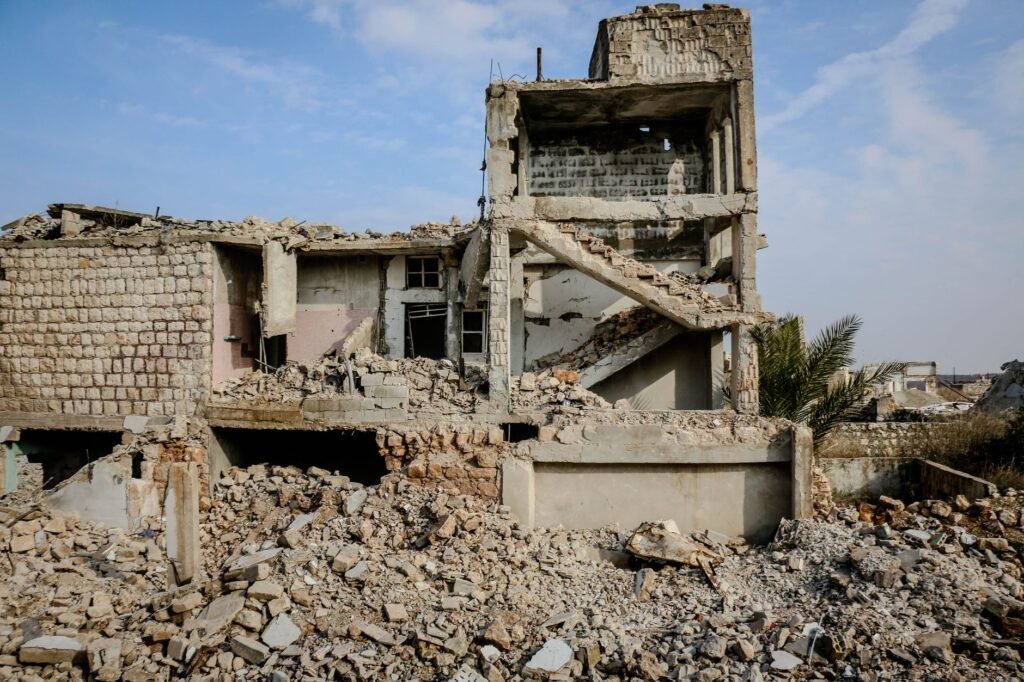
A trove of classified documents has emerged, providing substantial evidence that the Sudanese military has developed and employed toxic bombs during the nation’s protracted and devastating civil war. These documents, obtained and reviewed by The New York Times, bolster previous allegations that the Sudanese Armed Forces (SAF) have resorted to chemical weapons in an effort to gain a decisive advantage on the battlefield.
The dossier, which includes detailed reports, photographs, and laboratory analyses, suggests a systematic program of chemical weapons development and deployment orchestrated by the SAF. Information reaching Tahir Rihat indicates that the evidence points to the use of such weapons in multiple conflict zones across Sudan, exacerbating the already dire humanitarian crisis. The documents detail the types of agents allegedly used, the methods of delivery, and the observed effects on both combatants and civilians. This new evidence comes at a critical juncture in the conflict, which has seen widespread atrocities and displacement.
The implications of this revelation are profound, potentially triggering international condemnation and calls for accountability. The use of chemical weapons is a grave violation of international law, including the Chemical Weapons Convention, to which Sudan is a signatory. The evidence meticulously laid out in the secret dossier includes technical specifications for the munitions, suggesting a level of sophistication and planning that goes beyond ad hoc or accidental deployment. Photographs within the documents appear to show the aftermath of attacks, with visual evidence consistent with the effects of chemical agents. Furthermore, laboratory reports, purportedly from Sudanese military facilities, analyze samples collected from alleged strike sites, identifying specific toxic compounds.
Sources familiar with the investigation, speaking on condition of anonymity due to the sensitivity of the information, have confirmed the authenticity of the documents. They suggest that the SAF’s chemical weapons program has been a closely guarded secret, with efforts made to conceal its existence and operations from international observers and humanitarian organizations. The documents reportedly detail the procurement of precursor materials, the training of specialized personnel, and the testing of chemical agents. The timeline indicated within the dossier suggests that the development and use of these weapons have been ongoing for a significant period, potentially predating the current phase of the civil war.
The conflict in Sudan, which erupted in April 2023 between the SAF and the paramilitary Rapid Support Forces (RSF), has already resulted in tens of thousands of deaths and displaced millions. The allegations of chemical weapons use add another layer of horror to an already brutal conflict. International bodies, including the United Nations, have previously expressed concern over potential chemical weapons use, but concrete evidence has been difficult to obtain due to access restrictions and the volatile nature of the conflict. This new dossier, however, appears to provide the most compelling evidence to date, potentially shifting the international community’s response.
The documents reportedly include internal communications and directives that shed light on the decision-making process behind the alleged chemical weapons program. They suggest that the use of these weapons was seen by some within the SAF leadership as a strategic necessity to overcome battlefield setbacks and achieve military objectives. The reports also detail the efforts made to obfuscate the nature of the attacks, often attributing casualties to conventional weaponry or other causes. This deliberate deception, if proven, would represent a further breach of international norms and legal obligations.
The New York Times has undertaken a rigorous process to verify the authenticity of the documents, cross-referencing information with multiple sources and experts in chemical weapons analysis. While the full scope of the alleged program and the extent of its use remain under investigation, the initial findings are deeply disturbing. The dossier provides detailed technical information about the types of bombs allegedly used, including descriptions of their casings, payloads, and delivery mechanisms. It also includes photographic evidence of the munitions themselves, as well as the devastating impact they have had on the ground.
The implications for accountability are significant. If the allegations are substantiated through further independent investigation, those responsible for the development and use of chemical weapons could face prosecution under international law. The dossier is expected to be shared with international organizations and national governments, potentially leading to formal inquiries and sanctions. The humanitarian consequences of such weapons are catastrophic, causing indiscriminate suffering and long-term health effects. The reports within the dossier describe scenes of extreme suffering, with victims exhibiting symptoms consistent with exposure to nerve agents or other toxic chemicals.
The Sudanese military has not yet responded to requests for comment regarding the allegations and the existence of the secret dossier. However, previous denials of chemical weapons use have been issued by Sudanese officials when such accusations have surfaced in the past. The complexity of verifying such claims in a war zone, coupled with the deliberate efforts to conceal evidence, has made it challenging for international investigators to reach definitive conclusions. This new cache of documents, however, appears to offer a breakthrough in that regard, providing a detailed and seemingly irrefutable account of a clandestine weapons program.
The international community has consistently condemned the use of chemical weapons, recognizing them as indiscriminate weapons of mass destruction. The Chemical Weapons Convention prohibits the development, production, stockpiling, and use of chemical weapons. Sudan ratified the convention in 1999, making any alleged violation a serious breach of its international commitments. The evidence presented in the dossier, if corroborated, would place Sudan in direct violation of its treaty obligations and international humanitarian law. The ongoing conflict has already created a massive humanitarian catastrophe, and the use of chemical weapons would only serve to deepen the suffering of the Sudanese people.
The ongoing civil war in Sudan has been characterized by extreme violence, widespread human rights abuses, and a severe humanitarian crisis. Millions have been displaced, and access to food, water, and medical care is severely limited in many areas. The international response has been hampered by geopolitical divisions and the difficulty of accessing affected regions. The revelation of a potential chemical weapons program adds a new and deeply concerning dimension to the conflict, demanding urgent attention from global leaders and international institutions. The systematic nature of the alleged program, as detailed in the dossier, suggests a deliberate strategy to employ these horrific weapons, underscoring the gravity of the situation.
The documents also reportedly contain information about the potential sources of the chemical agents and the technical expertise involved in their production. This could provide crucial leads for international investigators seeking to trace the supply chain and identify individuals or entities involved in facilitating the program. The secrecy surrounding the alleged operations highlights the challenges faced by those working to monitor and enforce international law in conflict zones. The meticulous detail within the dossier, from chemical formulas to operational plans, suggests a level of sophistication that could make it difficult to fully dismantle without concerted international effort.
The long-term consequences of chemical weapons use extend beyond immediate casualties. Contamination of the environment can render areas uninhabitable for extended periods, and survivors often suffer from chronic health problems, including respiratory issues, neurological damage, and psychological trauma. The dossier’s contents, therefore, have implications not only for the current conflict but also for the future recovery and well-being of Sudan. The international community faces a critical juncture in its response to the Sudanese conflict, with this new evidence demanding a thorough and decisive course of action to uphold international law and protect civilian populations from further atrocities.


Tahir Rihat (also known as Tahir Bilal) is an independent journalist, activist, and digital media professional from the Chenab Valley of Jammu and Kashmir, India. He is best known for his work as the Online Editor at The Chenab Times.