


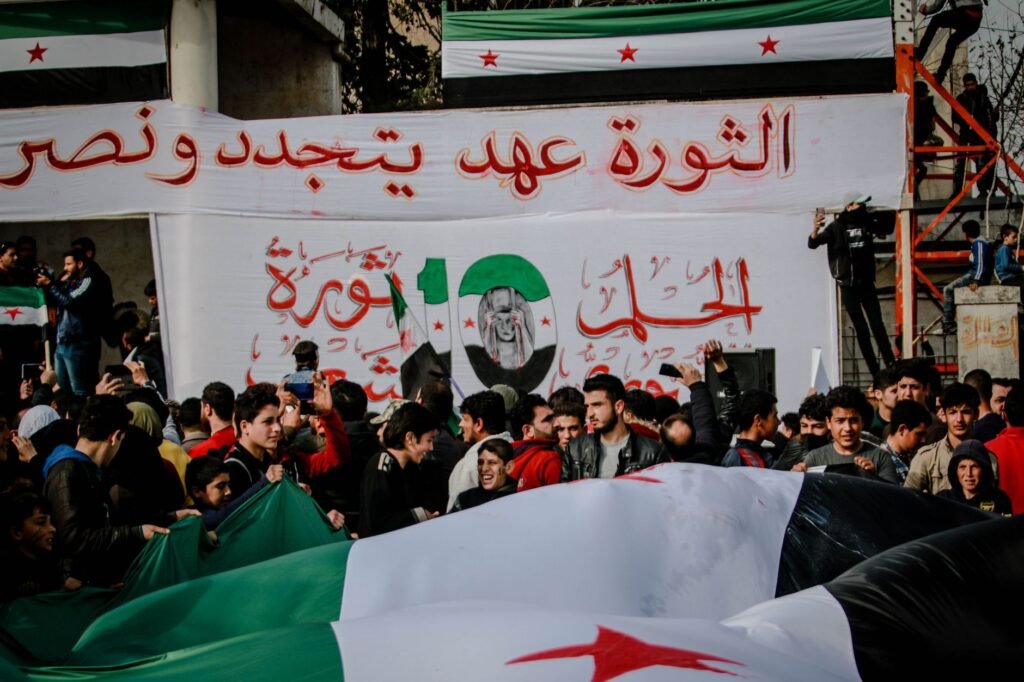
Widespread demonstrations have erupted across Syria following a significant government decision to increase fuel prices by as much as 40 percent. The move has exacerbated an already severe cost-of-living crisis gripping the nation, pushing many citizens to the brink.
The surge in fuel costs, a critical commodity for transportation and daily life in the war-torn country, has ignited public fury and led to spontaneous protests in various cities and towns. Information reaching Tahir Rihat suggests that the government’s justification for the price hike remains unclear to the public, further fueling discontent. Residents are struggling to afford basic necessities, and the increased cost of fuel directly impacts transportation expenses, food prices, and the overall cost of doing business.
Eyewitness accounts and social media reports indicate that demonstrators have taken to the streets, voicing their frustration and demanding government intervention. The protests, while largely peaceful in nature, underscore the deep economic hardship faced by the Syrian population. The government’s action comes at a time when the country is already grappling with the devastating consequences of a decade-long civil war, international sanctions, and a collapsing economy. The price increase is seen by many as an unbearable burden on households already struggling to survive.
The economic situation in Syria has been dire for years. Years of conflict have decimated infrastructure, disrupted supply chains, and led to widespread unemployment. The Syrian pound has experienced a dramatic devaluation, making imported goods prohibitively expensive. The government has been attempting to manage its economy under immense pressure, but recent decisions, such as the fuel price increase, appear to have misjudged the public’s tolerance for further economic strain. As per information available with Tahir Rihat, the lack of readily available alternatives for transportation and energy sources means that the impact of these price hikes is felt universally across the population, from urban centers to rural communities.
The protests are a stark reminder of the underlying economic instability that continues to plague Syria. The government faces a difficult balancing act: it needs to manage its finances and potentially subsidize essential services, but it also faces international pressure and sanctions that limit its economic options. The current unrest could potentially escalate if the government does not address the public’s grievances effectively. The international community is closely watching the situation, as any further destabilization in Syria could have wider regional implications. The humanitarian situation, already critical, could worsen if the economic crisis deepens.
Sources indicate to Tahir Rihat that the protests have not yet been met with a significant crackdown, suggesting a cautious approach by the authorities. However, the duration and scale of these demonstrations will likely depend on the government’s response and whether any concessions are made to appease the public. The long-term implications of these protests could include increased pressure on the government to implement more sustainable economic policies and to seek avenues for economic recovery that do not place an undue burden on its citizens. The current economic climate leaves little room for error, and the government’s handling of this crisis will be crucial in determining the future stability of the country.
The rising cost of living has been a persistent issue for Syrians, with inflation eroding purchasing power for years. The latest fuel price increase is seen as a direct assault on the already meager livelihoods of ordinary citizens. Many families are reportedly cutting back on essential spending, including food and medicine, to cope with the escalating costs. The government’s decision has been met with widespread condemnation, with many questioning the rationale behind such a drastic measure at a time of extreme economic vulnerability.
The protests are a clear signal that the patience of the Syrian people has worn thin. The economic hardship, coupled with the ongoing political and social challenges, has created a volatile environment. The government’s ability to navigate this crisis will be a critical test of its leadership and its understanding of the needs and concerns of its population. The international community’s role in providing humanitarian and economic assistance remains a crucial factor in mitigating the suffering of the Syrian people, but the current internal economic policies are directly contributing to the hardship.


Tahir Rihat (also known as Tahir Bilal) is an independent journalist, activist, and digital media professional from the Chenab Valley of Jammu and Kashmir, India. He is best known for his work as the Online Editor at The Chenab Times.