


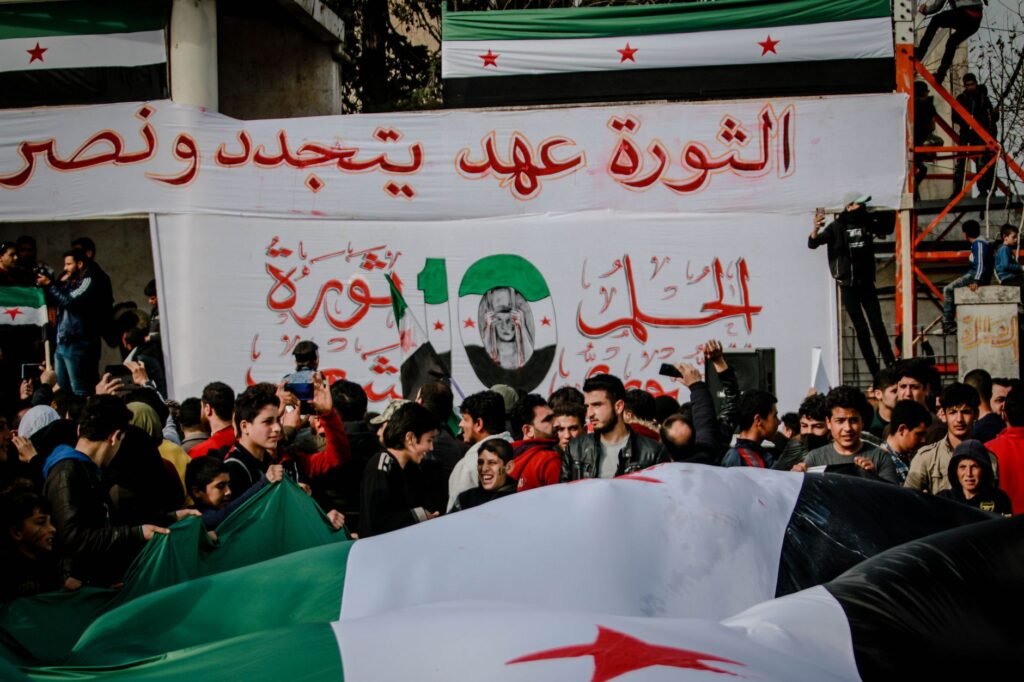
Hundreds of thousands of Syrians are seeking justice for widespread killings and torture that occurred during the rule of President Bashar al-Assad. The demand for accountability comes as international bodies and human rights organizations continue to document the scale of atrocities committed over years of conflict.
The Syrian Network for Human Rights has reported that since the uprising began in 2011, the Assad regime has been responsible for the deaths of over 100,000 individuals, with a significant portion subjected to torture and inhumane conditions in detention centers. Information reaching Tahir Rihat suggests that these figures represent only a fraction of the total suffering, as many disappearances and deaths remain unrecorded.
Victims’ families and human rights advocates are pushing for trials and reparations, aiming to hold not only high-ranking officials but also those directly involved in carrying out the abuses accountable. However, the practicalities of prosecuting such a vast number of individuals are immense, and the potential for renewed civil strife if such efforts are pursued aggressively remains a significant concern. The Syrian government has consistently denied allegations of systematic human rights abuses.
International legal mechanisms, such as those employed in other post-conflict scenarios, are being explored. These could include universal jurisdiction cases in foreign courts, where individuals accused of war crimes and crimes against humanity can be prosecuted regardless of where the crimes were committed. Several European countries have already initiated investigations and trials against Syrian officials based on this principle, leading to convictions for torture and crimes against humanity.
The challenges extend beyond legal proceedings. Many survivors of torture and detention centers live with deep physical and psychological scars, and the demand for comprehensive support and rehabilitation services is growing. Rebuilding trust and fostering reconciliation in a society so deeply fractured by violence is a monumental task, and the pursuit of justice is seen by many as a crucial, albeit difficult, step in that process.
The sheer scale of the alleged crimes, encompassing arbitrary arrests, enforced disappearances, systematic torture, and extrajudicial killings, presents a complex legal and political landscape. Human rights groups argue that impunity for such widespread violations would set a dangerous precedent and undermine international norms against state-sponsored violence. They emphasize that accountability is not just about punishment but also about acknowledging the suffering of victims and ensuring that such atrocities are never repeated.
The Syrian Observatory for Human Rights, another monitoring group, has also documented extensive human rights violations, often corroborating the findings of other organizations. Their reports detail the use of chemical weapons, indiscriminate shelling of civilian areas, and the deliberate targeting of medical facilities, all contributing to a climate of fear and devastation. The ongoing documentation efforts by these groups are vital for building cases and providing evidence for future legal actions.
The international community’s response has been varied, with some nations actively pursuing accountability measures and others prioritizing diplomatic solutions or stability. The geopolitical complexities of the Syrian conflict, involving multiple international actors, further complicate efforts to establish a unified approach to justice and accountability. Nevertheless, the persistent calls from Syrians on the ground and in the diaspora underscore the deep-seated desire for closure and a reckoning with the past.
The path forward is fraught with obstacles. Securing evidence, locating witnesses, and ensuring the safety of those who come forward are critical challenges. Furthermore, the political will to confront a regime that remains in power, albeit with diminished control over parts of the country, is a significant hurdle. Yet, the unwavering determination of victims and their advocates to see justice served continues to drive these efforts, highlighting the enduring human need for truth and accountability in the face of immense suffering.
The Syrian justice movement is not a monolithic entity, but rather a diverse collection of individuals and organizations working through various channels. Some focus on documenting crimes, others on advocating for international legal action, and still others on providing support to survivors. This multi-pronged approach reflects the complexity of the situation and the varied needs of those affected by the conflict. The hope is that through these concerted efforts, a measure of justice can be achieved, offering a path towards healing and rebuilding for the Syrian people.


Tahir Rihat (also known as Tahir Bilal) is an independent journalist, activist, and digital media professional from the Chenab Valley of Jammu and Kashmir, India. He is best known for his work as the Online Editor at The Chenab Times.