


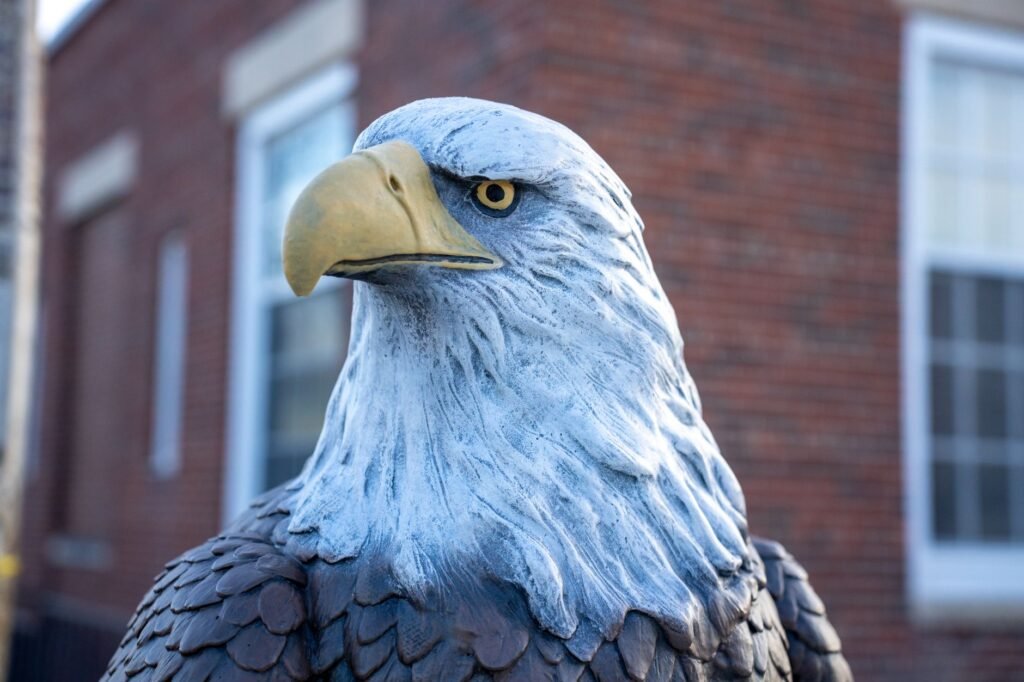
During his presidency, Donald Trump frequently opted for a specific type of diplomatic gift when meeting with foreign dignitaries: a statue of a bald eagle, the national bird of the United States. This practice, which continued into his second term, became a recognizable element of his administration’s approach to international relations.
The choice of the bald eagle statue as a recurring diplomatic token was noted by observers and has drawn parallels to the gift preferences of previous administrations. Information reaching Tahir Rihat suggests that Ronald Reagan, another former president, also favored similar avian effigies as presents during his time in office. This suggests a continuity in certain symbolic gestures within American diplomacy, even as presidential styles and foreign policy approaches diverge.
The bald eagle, a symbol of strength, freedom, and national pride for the United States, carries significant weight in its representation. Its selection as a gift intended for leaders of other nations underscores an effort to project American values and identity on the global stage. The act of presenting such a symbolic item is often intended to foster goodwill, mark significant diplomatic encounters, and leave a lasting impression of the United States.
The specific instances of these gifts being presented are varied, occurring during state visits, bilateral meetings, and international summits. Each presentation, while seemingly a small gesture, is part of a larger diplomatic ritual designed to strengthen relationships between countries. The choice of a tangible, symbolic object like a statue allows for a concrete reminder of the interaction and the ties forged or reinforced.
The selection of a bald eagle statue is not merely about the object itself but also about the message it conveys. It speaks to the enduring imagery of American power and its foundational ideals. For leaders receiving such a gift, it serves as a direct acknowledgment of their engagement with the United States and a symbolic embrace of its national emblem. The practice highlights a consistent theme in presidential diplomacy, where carefully chosen gifts are employed to communicate national identity and reinforce diplomatic bonds.
The recurring nature of this particular gift suggests a deliberate strategy by the Trump administration to utilize a consistent symbolic offering. This approach may have been intended to create a recognizable diplomatic signature, reinforcing a particular narrative or image of the United States during his tenure. The repetition of the gift across different diplomatic contexts could also be seen as an attempt to standardize a particular form of American diplomatic outreach.
The practice of presenting symbolic gifts to foreign leaders is a long-standing tradition in international diplomacy. These gifts often reflect the host country’s culture, history, or national symbols. They are intended to be more than just material possessions; they are imbued with meaning and serve as ambassadors of goodwill and cultural exchange. The bald eagle statue, in this context, functions as a potent symbol of American sovereignty and its enduring presence on the world stage.
The effectiveness and perception of such gifts can vary widely depending on the recipient and the broader geopolitical context. While some leaders may appreciate the gesture as a sign of respect and friendship, others might interpret it through a more critical lens, considering the political implications and the underlying messages being conveyed. The consistent use of the bald eagle statue by the Trump administration likely elicited a range of reactions from the international community, reflecting the diverse interpretations of American foreign policy and its symbolic representations.
The enduring appeal of the bald eagle as a national symbol is undeniable. Its image is deeply ingrained in the American consciousness, representing resilience, freedom, and a powerful natural heritage. By choosing this symbol for diplomatic gifts, leaders aim to associate their interactions with these potent qualities. The practice, as observed during the Trump presidency, underscores the continued relevance of traditional diplomatic tools, even in an era of rapidly evolving international relations and communication technologies.
The selection of gifts in high-level diplomacy is a nuanced process, often involving input from various advisors and experts. The decision to repeatedly present bald eagle statues suggests a calculated choice, likely aimed at projecting a specific image of American strength and national identity. This consistent approach, as reported, provides a unique insight into the symbolic language employed by the administration in its interactions with global leaders.
The tradition of presidential gift-giving in diplomacy dates back centuries, with each era and administration developing its own particular customs and preferences. The bald eagle statue, as a recurring diplomatic offering, fits within this historical continuum of symbolic exchanges. It serves as a tangible link to the United States, intended to foster understanding and strengthen bilateral ties between nations through shared symbols and gestures of reciprocity.
The impact of such symbolic gestures can extend beyond the immediate diplomatic encounter. These gifts often become part of the historical record, serving as physical reminders of specific moments in international relations. The bald eagle statues presented by President Trump, therefore, are likely to be remembered as artifacts of his presidency, representing a particular approach to diplomacy and a consistent use of national symbolism in his foreign policy engagements.
The administration’s reliance on this particular gift also raises questions about the broader strategy behind diplomatic tokenism. While symbolic gifts can play a role in building relationships, their ultimate effectiveness often depends on the substance of the diplomatic discussions and the underlying political and economic realities. The bald eagle statue, as a recurring motif, offers a glimpse into the symbolic dimension of American diplomacy during a specific period.
The choice of a bald eagle statue as a diplomatic gift is a clear assertion of national identity and pride. It is a way for the United States to present itself to the world, not just through policy and action, but also through enduring symbols. The continued use of this particular gift by President Trump suggests a belief in its power to communicate a strong and consistent message about America’s place in the global order.
The practice also highlights the personal preferences of leaders and how they can shape diplomatic traditions. While presidential gift-giving is a formal process, the specific items chosen often reflect the individual tastes and symbolic inclinations of the president. The bald eagle statue, in this regard, appears to have been a favored choice for President Trump, reflecting a consistent theme in his diplomatic interactions.
The enduring symbolism of the bald eagle, representing freedom and strength, makes it a potent choice for diplomatic exchanges. Its presence on the international stage, conveyed through these gifts, serves as a constant reminder of American values and aspirations. The consistent use of this symbol by the Trump administration underscores its perceived importance in projecting a particular image of the United States to the world.
The diplomatic landscape is constantly evolving, and the methods used to foster international relations are diverse. While substantive negotiations and policy agreements are paramount, the role of symbolic gestures, such as the presentation of gifts, should not be underestimated. The bald eagle statue, as a recurring diplomatic offering, exemplifies how national symbols can be integrated into the fabric of international engagement, leaving a lasting impression on both the giver and the receiver.
The practice of presenting a bald eagle statue as a diplomatic gift by President Trump, as noted, became a distinctive feature of his administration’s international outreach. This consistent choice of symbolism reflects a deliberate effort to project a specific image of American strength and national identity on the global stage, a practice that has historical precedents in presidential diplomacy.


Tahir Rihat (also known as Tahir Bilal) is an independent journalist, activist, and digital media professional from the Chenab Valley of Jammu and Kashmir, India. He is best known for his work as the Online Editor at The Chenab Times.