


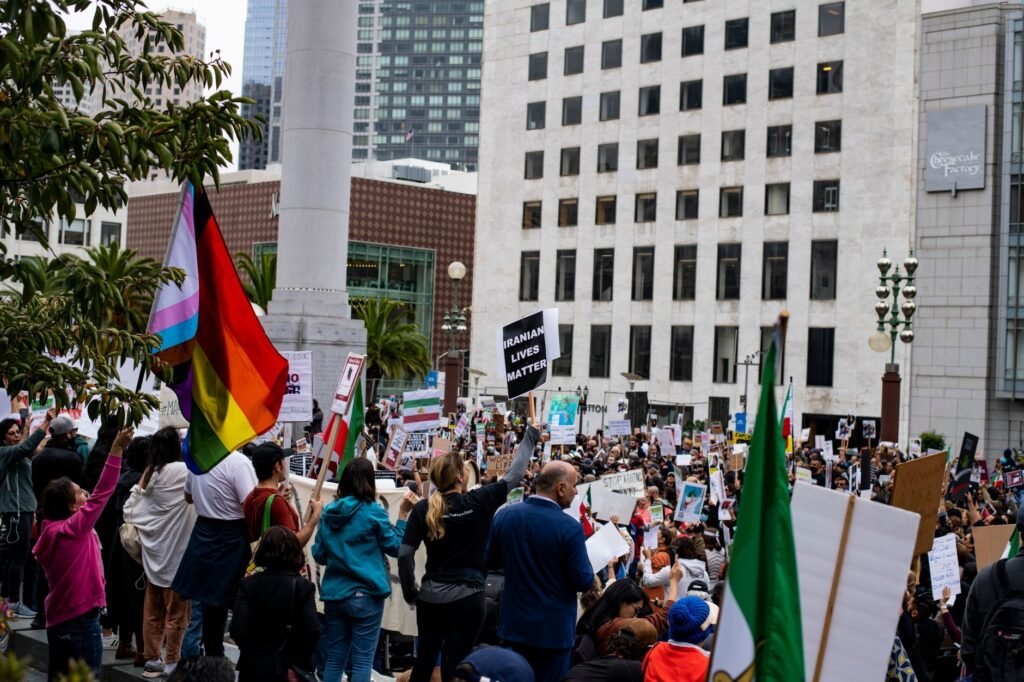
Turkish authorities have initiated a sweeping campaign targeting the LGBTQ+ community, a move that has drawn sharp criticism from rights organizations. The government has framed the crackdown as an initiative to safeguard family values, while advocacy groups contend that the actions amount to the criminalization of LGBTQ+ individuals and an attempt to suppress political activism.
Information reaching Tahir Rihat suggests that the intensified efforts involve increased surveillance, arrests, and restrictions on public gatherings and expressions of LGBTQ+ identity. Rights advocates report a significant rise in detentions and interrogations of individuals perceived to be part of the LGBTQ+ community. These actions are reportedly occurring across various cities in Turkey, impacting both activists and ordinary citizens.
The Turkish government’s stated rationale for the campaign centers on the protection of the traditional family structure, which it argues is under threat. Officials have publicly emphasized the importance of preserving societal norms and have linked LGBTQ+ visibility to perceived moral decay. This narrative has been amplified through state-controlled media outlets, further polarizing public opinion and creating a climate of fear for LGBTQ+ individuals.
However, international human rights organizations and local LGBTQ+ advocacy groups have vehemently opposed the government’s stance. They argue that the campaign is a systematic effort to marginalize and persecute a minority group, violating fundamental human rights and freedoms. According to these organizations, the authorities are employing broad and often vague legal pretexts to justify arrests and harassment, effectively criminalizing consensual relationships and identities.
The crackdown is also seen by many as a political maneuver, aimed at consolidating support among conservative segments of the population and diverting attention from other pressing national issues. Rights groups have accused the government of using the LGBTQ+ community as a scapegoat to rally nationalist sentiment and to stifle any form of dissent or political opposition that might emerge from this demographic or its allies. The ability of LGBTQ+ individuals to organize, advocate for their rights, and participate in public life has been severely curtailed.
Reports indicate that the campaign extends beyond mere arrests, encompassing increased censorship of LGBTQ+ content online and in media, and the disruption of events and organizations that support the community. This has led to a significant chilling effect, with many individuals choosing to remain silent and hidden for fear of reprisal. The atmosphere is one of heightened anxiety and uncertainty for LGBTQ+ people across Turkey.
The Turkish government has consistently maintained that its policies are in line with national values and do not violate international human rights standards, asserting that it is protecting the majority from what it deems harmful influences. This position has been met with strong condemnation from the United Nations, the European Union, and numerous international human rights bodies, which have called for an immediate cessation of the crackdown and for Turkey to uphold its commitments to human rights and non-discrimination.
The long-term implications of this intensified campaign are a matter of grave concern for the future of LGBTQ+ rights in Turkey. Critics warn that the current trajectory could lead to further isolation and persecution of the community, potentially resulting in a significant exodus of individuals seeking safety and acceptance elsewhere. The erosion of civil liberties and the targeting of minority groups are seen as indicators of a broader trend towards authoritarianism within the country, according to observers.
The legal framework used to justify these actions often relies on public morality laws and anti-obscenity statutes, which are interpreted broadly by law enforcement and the judiciary to encompass LGBTQ+ expression. This lack of clear legal protection, coupled with a perceived lack of judicial independence, makes it difficult for victims of discrimination and harassment to seek redress. The campaign appears to be systematically dismantling the progress made by LGBTQ+ activists over the past two decades.
The international community is closely monitoring the situation, with calls for dialogue and a commitment to human rights principles growing louder. However, the Turkish government has shown little inclination to alter its course, signaling a potentially prolonged period of increased pressure on the LGBTQ+ community. The narrative of protecting families is being used to legitimize actions that rights organizations describe as a direct assault on human dignity and equality.
The impact on civil society organizations working with LGBTQ+ individuals is also significant. Many have reported facing increased scrutiny, administrative hurdles, and even direct threats, making their work increasingly challenging. The ability of these organizations to provide essential support services, raise awareness, and advocate for policy changes has been severely hampered, further isolating the community.
As the crackdown continues, the focus remains on the tension between the government’s stated objectives and the human rights concerns raised by domestic and international observers. The situation highlights the ongoing struggle for LGBTQ+ rights in a region where traditional values often clash with modern concepts of individual freedoms and equality.


Tahir Rihat (also known as Tahir Bilal) is an independent journalist, activist, and digital media professional from the Chenab Valley of Jammu and Kashmir, India. He is best known for his work as the Online Editor at The Chenab Times.