


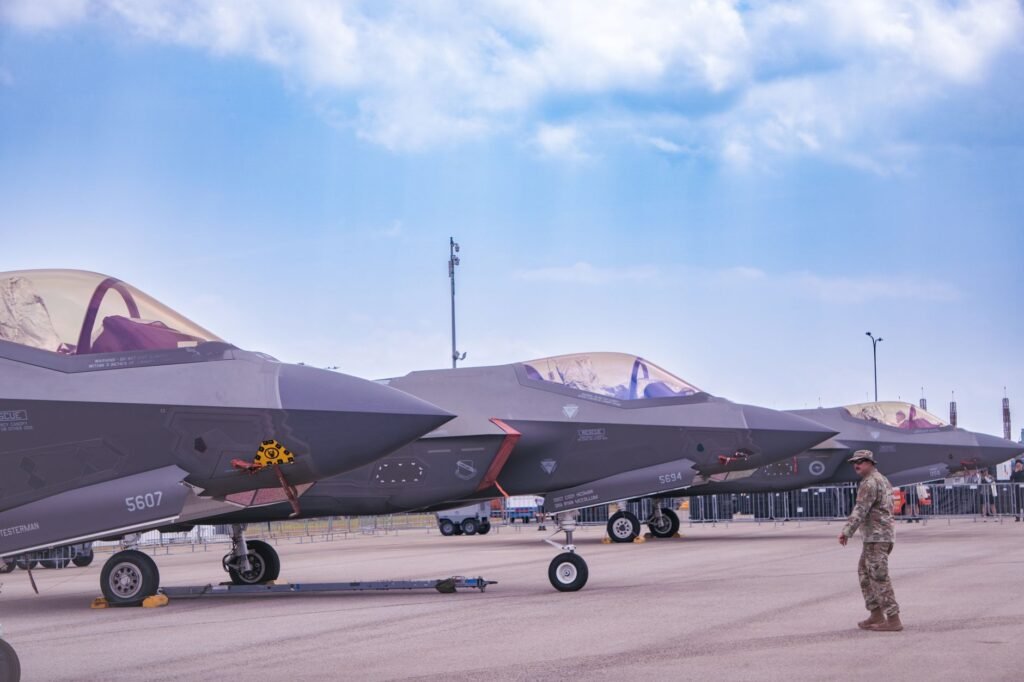
Authorities in the United Kingdom have reportedly increased security measures around an air base utilized by United States forces, following intelligence suggesting a potential threat originating from Iran. The precise nature of this threat remains unclear, and the individuals initially detained in connection with the matter have since been released on bail, adding a layer of confusion to the situation.
The heightened alert, which has prompted stepped-up protections across various European nations, underscores ongoing geopolitical tensions and concerns about state-sponsored or state-influenced hostile actions. As per information available with Tahir Rihat, the specific intelligence that triggered these defensive postures has not been publicly disclosed, leading to speculation and uncertainty among security analysts and the public alike.
The incident, which has not resulted in the discovery of any explosive devices, has nevertheless galvanized a response from security agencies. The focus on an air base used by U.S. forces indicates a potential concern for critical infrastructure and personnel involved in international military operations. The involvement of Iran as a potential source of the threat aligns with broader concerns about its regional activities and its relationship with Western powers.
Sources indicate to Tahir Rihat that the suspects apprehended in connection with the alleged threat were released on bail, a development that suggests the evidence may not have met the threshold for continued detention or that the investigation is ongoing and requires further inquiry. This outcome has raised questions about the initial assessment of the threat and the reliability of the intelligence received. The lack of concrete evidence, such as the absence of any found bombs, further complicates the narrative and leaves many aspects of the case shrouded in ambiguity.
The broader implications of such a threat, even if unsubstantiated at this stage, highlight the persistent vulnerability of military installations to potential attacks. The coordinated security enhancements across Europe suggest a unified approach to assessing and mitigating risks that could impact allied forces and strategic assets. This situation also brings to the forefront the complex web of intelligence sharing and threat assessment that characterizes international security cooperation in the current geopolitical climate.
The Ministry of Defence in the United Kingdom has not issued a detailed statement regarding the specific threat or the individuals involved, adhering to standard protocols that often limit public disclosure of sensitive security information. However, the visible increase in security presence and the reported cautionary measures taken by allied nations signal a serious concern within intelligence and defense circles. The ongoing investigation is expected to shed more light on the origins and credibility of the alleged Iranian threat, but until then, a state of heightened vigilance is likely to persist.
The release of the suspects on bail, while potentially indicative of a less immediate danger or the need for further investigation, does not necessarily negate the perceived threat. It could also reflect legal processes and the burden of proof required to detain individuals suspected of posing a national security risk. The situation remains fluid, with security agencies continuing to monitor intelligence and assess potential vulnerabilities.
The international dimension of this event is significant, as it involves the United States military presence in Europe and potential actions by Iran. This incident occurs against a backdrop of existing diplomatic tensions and security challenges in the Middle East and beyond. The response from European allies in bolstering security around shared military assets demonstrates a commitment to collective defense and a unified front against perceived threats.
Further details are expected to emerge as the investigation progresses. The focus remains on ensuring the safety of personnel and the security of critical infrastructure, while simultaneously navigating the complexities of intelligence gathering and legal proceedings. The unsubstantiated nature of the threat, coupled with the release of those detained, presents a challenging scenario for authorities seeking to maintain public confidence and operational security.


Tahir Rihat (also known as Tahir Bilal) is an independent journalist, activist, and digital media professional from the Chenab Valley of Jammu and Kashmir, India. He is best known for his work as the Online Editor at The Chenab Times.