


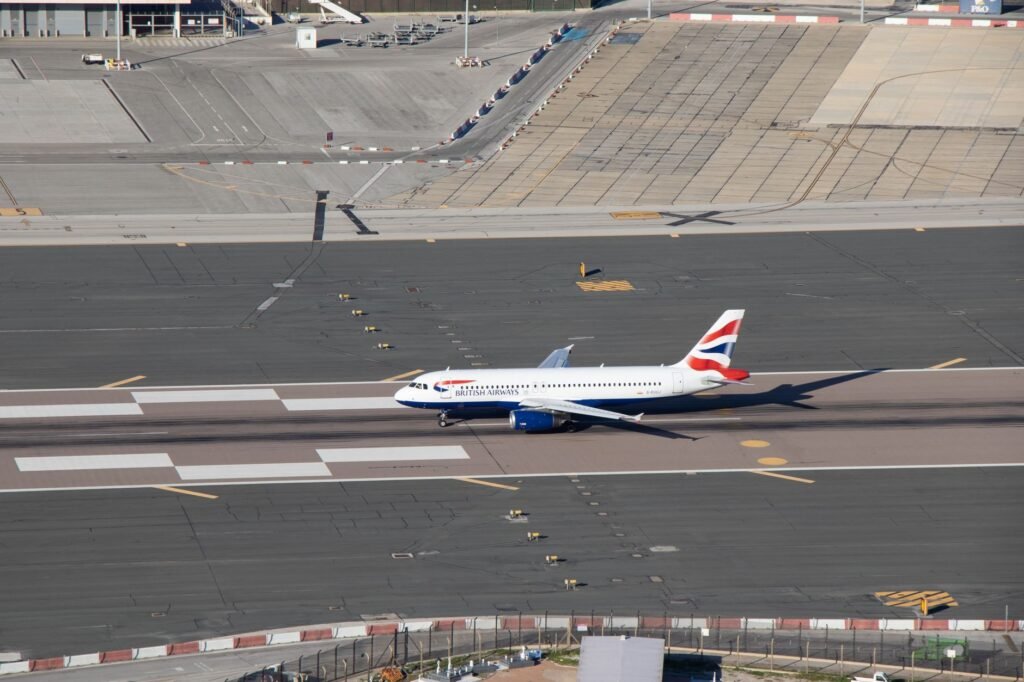
A technical issue within the air traffic control system caused disruptions to flights across Scotland, England, and Northern Ireland on Tuesday, leading to delays for numerous travelers. The problem, which has since been resolved, marks the second significant air traffic control disruption to affect United Kingdom airports in less than a fortnight.
The latest incident, which began earlier on Tuesday, saw flight schedules impacted across various UK airports. While the exact number of affected flights has not been definitively stated, reports indicate that a considerable number experienced delays as air traffic controllers worked to manage the situation and restore normal operations. Information reaching Tahir Rihat suggests that the issue was primarily confined to the air traffic control infrastructure, rather than being linked to any specific airline or airport operational problem.
This event follows a similar technical problem that occurred approximately two weeks prior, which resulted in widespread cancellations and significant travel chaos for thousands of passengers. That earlier incident, also attributed to a technical fault within the air traffic control system, highlighted vulnerabilities in the infrastructure responsible for managing the nation’s airspace. The recurrence of such issues raises questions about the robustness and resilience of the systems in place to ensure smooth air travel.
The National Air Traffic Services (NATS), the UK’s leading air traffic control provider, confirmed that engineers worked to rectify the technical fault. While NATS has not released extensive details regarding the nature of the technical problem, they assured the public and aviation stakeholders that the issue was addressed and that services were gradually returning to normal. The swift resolution, however, did not prevent immediate impacts on flight schedules, with many passengers facing extended waiting times at airports.
Travelers took to social media to express their frustration and share their experiences of the delays. Many reported being informed of the disruptions upon arrival at airports or through airline notifications. The timing of the disruption, occurring during a period when air travel is often busy, exacerbated the inconvenience for those with onward connections or important commitments. The impact was felt across the UK, affecting domestic and international routes originating from or transiting through British airspace.
Aviation analysts have noted that while technical glitches are not uncommon in complex air traffic control systems, the proximity of two such significant disruptions within a short timeframe is a cause for concern. These incidents underscore the critical importance of reliable and resilient air traffic management systems, which are the backbone of modern aviation. The efficiency and safety of air travel depend heavily on the seamless functioning of these sophisticated technological networks.
The resolution of the technical issue means that air traffic controllers can now manage flights without the constraints imposed by the earlier fault. However, the backlog of delayed flights may continue to affect schedules for some time as operations normalize. Airlines are expected to work through the revised schedules, and passengers are advised to check their flight status with their respective carriers for the most up-to-date information. The focus now shifts to understanding the root cause of the technical failures and implementing measures to prevent future occurrences.
The UK’s aviation sector is a vital component of its economy, and disruptions of this nature can have ripple effects, impacting businesses, tourism, and passenger confidence. The repeated technical problems prompt a review of the maintenance, upgrade, and contingency planning protocols for the air traffic control infrastructure. Ensuring the integrity of these systems is paramount to maintaining the UK’s position as a global aviation hub and to providing a reliable travel experience for millions of passengers annually.
Further details regarding the specific technical cause of the disruption are anticipated to be released by NATS as part of their post-incident review. The aviation industry will be closely watching these developments, as will the traveling public, who have experienced firsthand the consequences of these system failures. The emphasis will be on transparency and the implementation of robust solutions to safeguard against future disruptions.


Tahir Rihat (also known as Tahir Bilal) is an independent journalist, activist, and digital media professional from the Chenab Valley of Jammu and Kashmir, India. He is best known for his work as the Online Editor at The Chenab Times.