


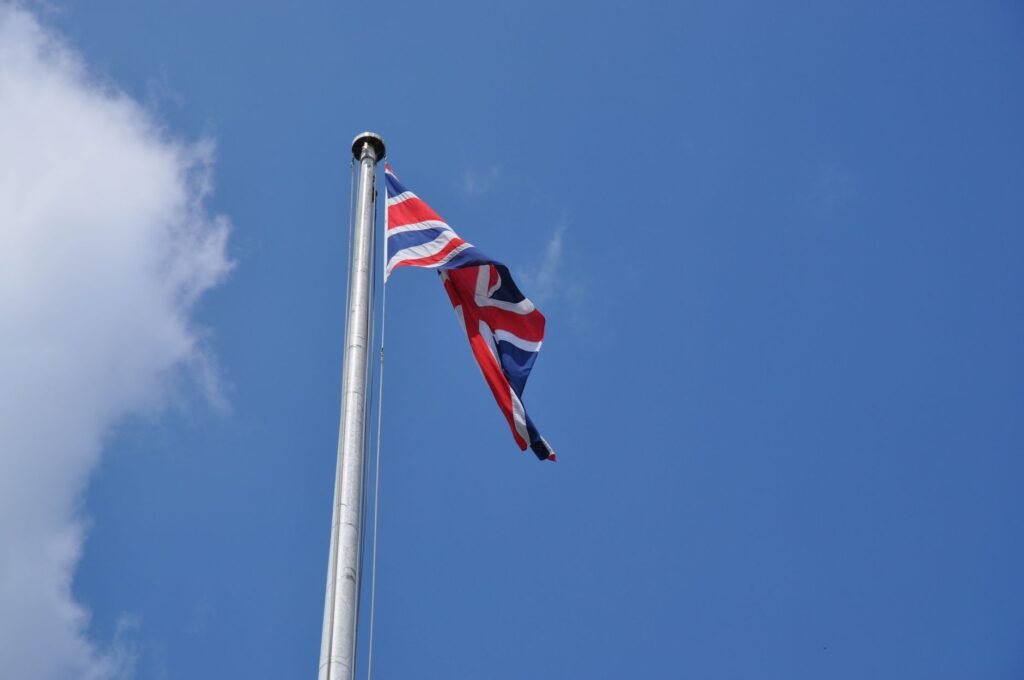
Britain is reportedly preparing to announce a significant trade ban targeting Israeli settlements in the West Bank, a move that would further underscore Israel‘s growing international isolation concerning its policies toward Palestinians. Officials indicated that the announcement was expected on Tuesday, following the recent conflict in Gaza.
This potential trade restriction signifies a notable escalation in diplomatic pressure on Israel, coming at a time when international scrutiny of its actions in the occupied Palestinian territories has intensified. The war in Gaza has already led to widespread condemnation and calls for accountability from various global bodies and nations. The British government’s decision, if enacted, would represent a concrete policy shift aimed at directly impacting the economic viability of settlements deemed illegal under international law.
Information reaching Tahir Rihat suggests that the proposed ban would focus on goods produced within the Israeli settlements. This measure is intended to discourage the expansion of these settlements, which are a major point of contention in the Israeli-Palestinian conflict. The move aligns with the long-standing position of many international organizations, including the United Nations, which consider the settlements to be a violation of international humanitarian law and a significant obstacle to peace.
The implications of such a ban are multifaceted. Economically, it could disrupt supply chains and affect businesses that rely on trade with the settlements. Diplomatically, it signals a stronger stance by the United Kingdom, potentially influencing other European nations to consider similar measures. The Israeli government has consistently defended its settlement policy, viewing the territories as historically and strategically important. However, international opposition has steadily grown over the decades, with settlements seen as encroaching on land intended for a future Palestinian state.
The timing of the announcement is also significant, coming in the wake of heightened tensions and the recent conflict in Gaza. This period has seen a surge in international attention to the broader Israeli-Palestinian issue, with renewed calls for a just and lasting resolution. The British government’s action could be interpreted as a response to these calls and a demonstration of its commitment to upholding international law. The specifics of the ban, including the types of goods that will be prohibited and the enforcement mechanisms, are expected to be detailed in the official announcement.
The United States, a key ally of Israel, has historically taken a different approach to the settlements, though recent administrations have shown increasing concern over their expansion. It remains to be seen how the US will react to a unilateral British trade ban. European Union member states have varying policies regarding goods from settlements, with some already implementing labeling requirements. A comprehensive ban by a major European economy like the UK could lead to a more unified European approach.
Human rights organizations and Palestinian advocates have long called for such measures, arguing that trade with settlements indirectly supports and enables their continued growth and the displacement of Palestinians. They view the settlements as a primary driver of conflict and a barrier to a two-state solution. The British government’s move is likely to be welcomed by these groups as a positive step towards accountability and a more equitable approach to the conflict.
Conversely, pro-Israel advocacy groups are expected to strongly oppose the ban, arguing that it unfairly targets Israel and undermines its security interests. They may also question the legality or rationale of such a measure, potentially leading to legal challenges or diplomatic protests. The Israeli Ministry of Foreign Affairs has not yet issued a formal statement regarding the anticipated British announcement, but past responses to similar international pressures have often involved strong condemnations and retaliatory measures.
The broader context of international relations also plays a role. As global powers navigate complex geopolitical landscapes, actions taken by individual nations can have ripple effects. A British trade ban on West Bank settlements could embolden other countries to take similar steps, further isolating Israel on the international stage and potentially forcing a reassessment of its settlement policies. The long-term impact will depend on the scope of the ban, its enforcement, and the reactions of other key international players, including the European Union and the United States.
The conflict in Gaza, which preceded this anticipated announcement, has brought renewed focus on the humanitarian situation and the political stalemate. International bodies have been urging for a de-escalation of violence and a resumption of meaningful peace talks. The British decision, therefore, arrives at a critical juncture, potentially influencing the dynamics of future negotiations and the international community’s engagement with the Israeli-Palestinian conflict. The effectiveness of the ban in achieving its stated goals of discouraging settlement expansion and promoting peace will be closely watched by observers worldwide.


Tahir Rihat (also known as Tahir Bilal) is an independent journalist, activist, and digital media professional from the Chenab Valley of Jammu and Kashmir, India. He is best known for his work as the Online Editor at The Chenab Times.