


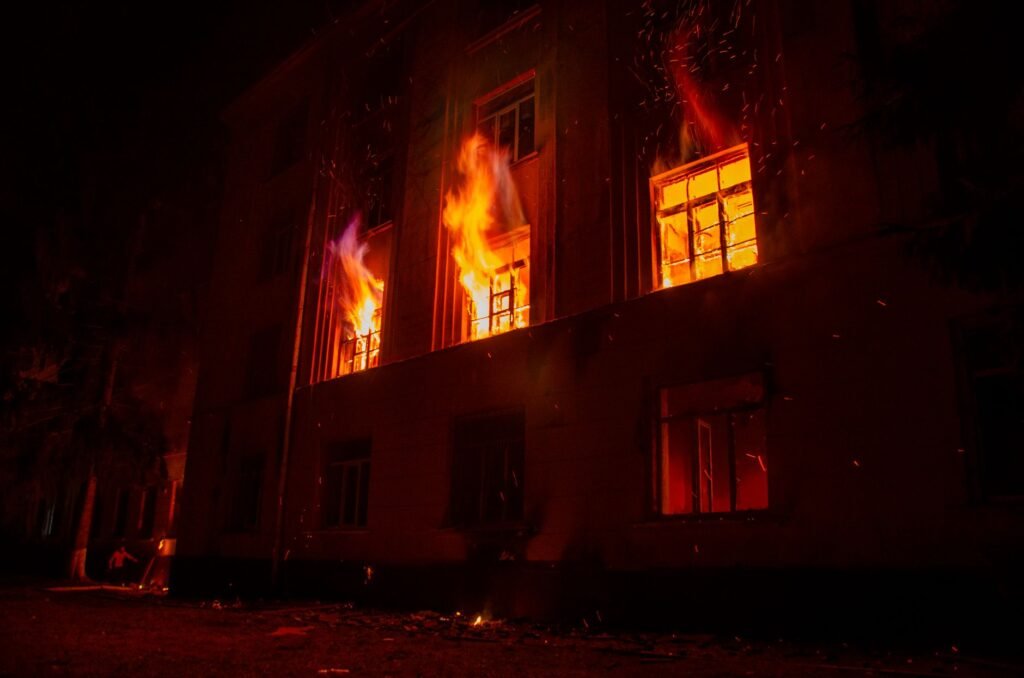
In the embattled eastern regions of Ukraine, a dedicated cadre of emergency workers operates under the perpetual threat of Russian attacks, striving to maintain essential services and aid civilians caught in the crossfire. These frontline responders, often the first on the scene after shelling or missile strikes, navigate a landscape of destruction and uncertainty, their efforts critical to the survival of communities in what have become known as Ukraine’s “fortress cities.” The relentless nature of the conflict means that any moment could bring a new assault, demanding constant vigilance and rapid mobilization.
Information reaching Tahir Rihat suggests that these emergency personnel are not only tasked with immediate rescue operations but also with the arduous work of restoring damaged infrastructure, providing medical assistance, and ensuring the psychological well-being of residents. Their resilience is a testament to the human spirit in the face of overwhelming adversity, as they work to keep the vital functions of these cities operational despite the ongoing hostilities. The challenges they face are multifaceted, encompassing not only the physical dangers of active combat zones but also the logistical complexities of operating in areas frequently cut off from conventional supply lines and communication networks.
The urgency of their work is amplified by the unpredictable nature of Russian military actions. Emergency crews must be prepared to deploy at a moment’s notice, often responding to incidents that occur in the dead of night or under the cover of darkness. The speed at which they can reach affected areas and begin their life-saving interventions can be the difference between life and death for those injured or trapped by collapsing structures. Their operational tempo is dictated by the rhythm of the war itself, a constant cycle of attack, response, and recovery, with the ever-present knowledge that the next attack could be imminent.
These individuals are the unsung heroes of Ukraine’s eastern front, their bravery and dedication often overlooked amidst the broader geopolitical narratives of the conflict. They are the ones who pull survivors from rubble, administer first aid in makeshift clinics, and offer words of comfort to those who have lost everything. Their commitment extends beyond mere duty; it is a profound act of solidarity with their fellow citizens, a refusal to yield to the forces seeking to destabilize and destroy their nation. The psychological toll of witnessing such widespread devastation and loss is immense, yet these workers continue to perform their duties with unwavering resolve.
The operational environment for these rescuers is characterized by a high degree of risk. They operate in close proximity to active combat zones, often exposed to artillery fire, drone attacks, and other forms of ordnance. The destruction of civilian infrastructure, including hospitals and residential buildings, further complicates their efforts, creating hazardous conditions and limiting access to essential resources. Despite these perils, they press on, driven by a mission to save lives and alleviate suffering. Their work is a critical component of Ukraine’s broader defense strategy, ensuring that civilian populations can endure the prolonged conflict and maintain a semblance of normal life.
The “fortress cities” in question, often located in the Donbas region, have become focal points of intense fighting, with both sides heavily invested in their control. This strategic importance means that these urban centers are subjected to continuous bombardment, making the task of emergency services particularly perilous. The resilience of these cities is, in large part, a reflection of the dedication of the people working within them, especially those in critical support roles. Their ability to adapt to changing circumstances and to improvise solutions in the face of severe shortages is a hallmark of their operational effectiveness.
The international community has, at times, highlighted the plight of civilians in these conflict zones, but the day-to-day realities faced by emergency workers often remain in the background. Their efforts are not just about responding to immediate crises; they are also about maintaining the social fabric of these communities, providing a sense of hope and continuity in a time of profound disruption. The psychological impact of constant threat and destruction is a significant factor, and the presence of these dedicated responders offers a vital source of reassurance to the beleaguered populace.
The logistical challenges are immense. Access to fuel, medical supplies, and even basic necessities can be severely restricted due to damaged transportation routes and ongoing hostilities. Emergency services must therefore develop innovative strategies for resource management and deployment, often relying on local networks and community support to overcome these obstacles. The coordination between different emergency units, as well as with military and civilian authorities, is crucial for ensuring an effective response to large-scale incidents. This requires a high degree of professionalism and a shared commitment to the mission.
The psychological resilience of these rescuers is as important as their physical capabilities. They are exposed to traumatic events on a regular basis, witnessing the devastating consequences of war firsthand. Maintaining their own mental well-being while continuing to provide support to others is a significant challenge. Support systems, though often strained, are in place to help them cope with the emotional toll of their work. The camaraderie among these teams, forged in the crucible of shared danger and purpose, plays a vital role in their ability to persevere.
The ongoing nature of the conflict means that the work of these emergency responders is far from over. As long as the fighting continues, they will remain on the front lines, a beacon of hope and a lifeline for the communities they serve. Their unwavering commitment to their mission, in the face of extreme danger and hardship, underscores the profound human cost of war and the extraordinary courage of those who dedicate themselves to mitigating its impact.


Tahir Rihat (also known as Tahir Bilal) is an independent journalist, activist, and digital media professional from the Chenab Valley of Jammu and Kashmir, India. He is best known for his work as the Online Editor at The Chenab Times.