


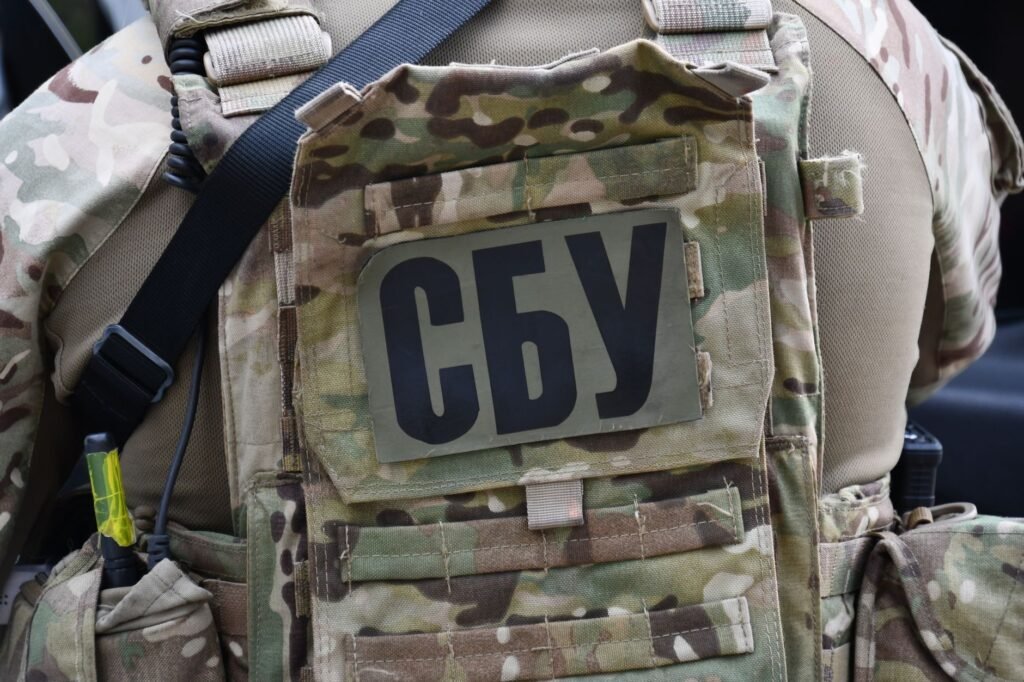
Secret military audits within Ukraine have uncovered a procurement system plagued by significant mismanagement and fraud, leading to substantial financial losses. In the year 2024 alone, the Ukrainian military reportedly lost an estimated $1.2 billion due to these issues. This revelation comes at a critical juncture as Ukraine continues to rely heavily on international military aid and its own defense industry to sustain its efforts in the ongoing conflict.
Information reaching Tahir Rihat suggests that the scale of these losses highlights systemic weaknesses in how funds allocated for defense are being managed and spent. The audits, which have not been made public, paint a concerning picture of a system where accountability may be lacking, and opportunities for illicit gains have been exploited. The sheer magnitude of the financial deficit underscores the urgent need for reforms within Ukraine’s defense procurement processes to ensure that resources are utilized effectively and transparently.
The findings from these internal reviews indicate a pattern of irregularities that have allowed for both outright fraud and what is termed as ‘waste.’ This suggests that funds may have been misspent on unnecessary items, inflated contracts, or simply siphoned off through corrupt practices. The implications of such losses are far-reaching, potentially impacting the availability of critical weaponry and supplies for Ukrainian forces on the front lines. It also raises questions about the oversight mechanisms in place to prevent such occurrences, especially during a period of intense national mobilization and reliance on external support.
The Ukrainian Ministry of Defense has not yet released an official statement addressing the specific findings of these audits, nor has it detailed the steps being taken to rectify the identified problems. However, the existence of these internal investigations points to an awareness within the military establishment of the challenges it faces in managing its vast resources. The focus on fraud and waste within the military’s acquisition of weapons and equipment is particularly sensitive given the high stakes of the current geopolitical situation and the international community’s significant investment in Ukraine’s defense capabilities.
Experts in defense procurement and anti-corruption efforts have long warned about the potential for increased vulnerability to fraud and waste in countries undergoing rapid military expansion or engaged in active conflict. The influx of substantial financial and material aid, while essential for survival and defense, can also create new avenues for corruption if robust oversight and control measures are not rigorously implemented and enforced. The situation in Ukraine, as revealed by these audits, appears to be a stark illustration of these risks.
The $1.2 billion figure represents a significant portion of Ukraine’s defense budget and the aid it receives. This amount could have been used to purchase a substantial quantity of ammunition, advanced weaponry, or essential logistical support. The loss of such resources not only represents a financial drain but also a strategic setback, potentially weakening Ukraine’s military readiness and its ability to defend its sovereignty. The effectiveness of future aid packages and domestic defense spending will likely depend on Ukraine’s ability to demonstrate a clear commitment to combating corruption and improving the efficiency of its procurement systems.
The internal audits are understood to have identified specific areas where mismanagement was most prevalent. These could include contracts for everything from basic supplies to sophisticated military hardware. The nature of the fraud and waste is likely varied, ranging from inflated invoices and ghost suppliers to the procurement of substandard equipment or services at exorbitant prices. The complexity of military supply chains, especially during wartime, can make it challenging to maintain complete transparency and accountability across all levels of the procurement process.
The international partners providing aid to Ukraine are likely to be closely monitoring the situation and seeking assurances that their contributions are being used for their intended purpose. Transparency and accountability are crucial for maintaining public trust and continued support from donor nations. Any perception that funds are being diverted or wasted could jeopardize future assistance, placing further strain on Ukraine’s ability to sustain its defense efforts. The Ukrainian government faces the dual challenge of prosecuting the war and simultaneously reforming its institutions to ensure good governance and efficient resource management.
The findings of these secret military audits are expected to trigger calls for more stringent oversight, potentially involving international bodies or independent auditors. The Ukrainian authorities will need to act decisively to investigate the allegations, prosecute those found responsible, and implement systemic reforms to prevent future occurrences. The future of Ukraine’s defense capabilities and its long-term security will be significantly influenced by its success in addressing these internal challenges of corruption and mismanagement.


Tahir Rihat (also known as Tahir Bilal) is an independent journalist, activist, and digital media professional from the Chenab Valley of Jammu and Kashmir, India. He is best known for his work as the Online Editor at The Chenab Times.