


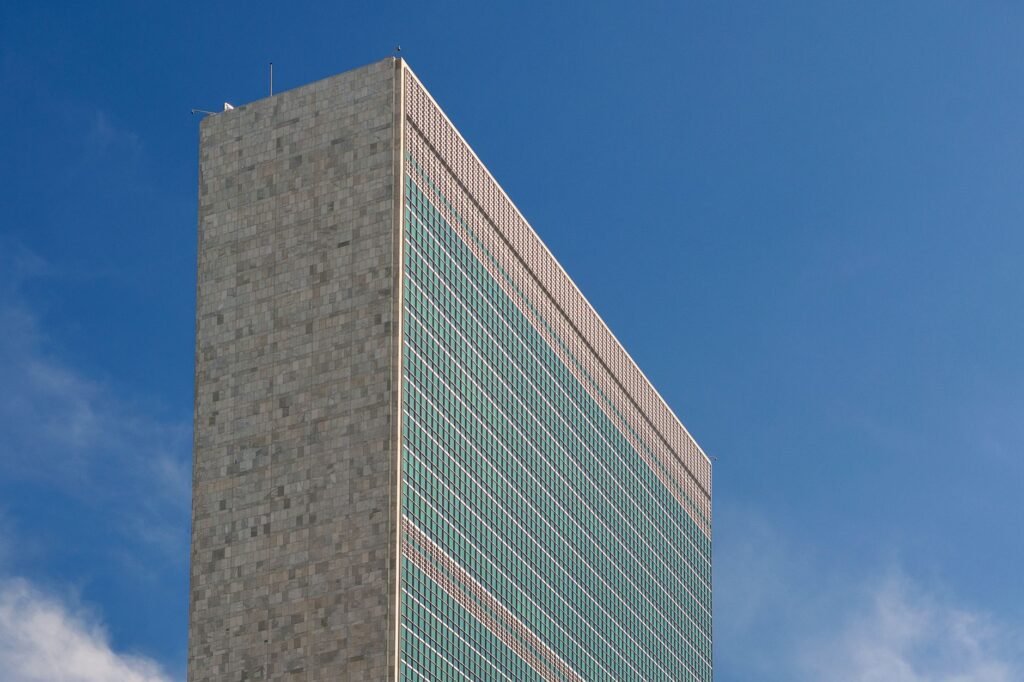
The United Nations General Assembly convened today with a significant portion of its agenda dedicated to Iran‘s controversial nuclear program, a topic that has intensified global security concerns. Discussions at the annual gathering in New York saw world leaders and diplomats engaging in a series of high-stakes dialogues, seeking to address the escalating proliferation risks and the potential implications for regional and international stability. The ongoing conflict in Ukraine also cast a long shadow over the proceedings, with many delegates drawing parallels between the geopolitical tensions surrounding Iran’s nuclear ambitions and the broader challenges to global order.
Information reaching Tahir Rihat suggests that several nations, particularly those in the Middle East, expressed grave concerns over Iran’s continued enrichment of uranium and its alleged pursuit of nuclear weapons capabilities. These nations emphasized the urgent need for robust verification mechanisms and a renewed diplomatic push to ensure Iran’s compliance with international treaties and agreements. The United States, a key player in these discussions, reiterated its commitment to preventing Iran from acquiring nuclear weapons, while also signaling a willingness to re-engage in diplomatic efforts if Tehran demonstrates a genuine commitment to transparency and de-escalation. The current state of affairs has created a complex diplomatic landscape, where progress on the Iranian nuclear issue is intricately linked to the broader geopolitical climate.
The backdrop of the war in Ukraine has undoubtedly influenced the tenor of the discussions surrounding Iran. Delegates noted that the erosion of international norms and the challenges to established security frameworks, exemplified by the conflict in Eastern Europe, have heightened anxieties about potential nuclear proliferation elsewhere. The principle of multilateralism, a cornerstone of the UN, is being tested on multiple fronts, and the outcomes of these discussions are expected to shape future international security strategies. The urgency to find common ground on Iran’s nuclear program is amplified by the broader sense of instability, making the UN General Assembly a critical forum for coordinated global action.
Sources indicate to Tahir Rihat that Iran’s delegation, while present at the assembly, maintained a firm stance, reiterating its right to a peaceful nuclear program and accusing external actors of creating a hostile environment. Tehran has consistently denied pursuing nuclear weapons, attributing its advancements to domestic energy needs and scientific research. However, international intelligence agencies and the International Atomic Energy Agency (IAEA) have raised persistent questions about the nature and purpose of Iran’s nuclear activities, particularly concerning undeclared sites and materials. The IAEA’s reports, often cited in the UN debates, have detailed a pattern of non-cooperation and a lack of full disclosure from Tehran, fueling distrust among member states.
The discussions also touched upon the potential for a renewed diplomatic initiative, similar to the Joint Comprehensive Plan of Action (JCPOA) that was agreed upon in 2015. However, the prospects for reviving such an agreement appear dim given the current geopolitical realities and the deep-seated mistrust between Iran and several key international players. The United States withdrew from the JCPOA in 2018 under the Trump administration, reimposing sanctions on Iran. While the Biden administration has expressed openness to rejoining the deal, significant hurdles remain, including Iran’s demands for sanctions relief and assurances against future withdrawals. The current administration in Tehran has also shown little inclination to make concessions that would satisfy Western powers.
Several European nations, including France, Germany, and the United Kingdom, have been actively involved in mediating discussions, urging Iran to return to full compliance with its safeguards agreements. They have stressed that a nuclear-armed Iran would pose an unacceptable threat to global security and would likely trigger a regional arms race. The potential for such a scenario has been a recurring theme in the closed-door consultations and public statements made at the UN. The international community is grappling with the dual challenge of managing the immediate crisis in Ukraine while simultaneously addressing the long-term threat posed by Iran’s nuclear program.
The impact of the ongoing conflict in Ukraine on global energy markets and supply chains has also indirectly influenced the discussions on Iran. Some analysts suggest that the disruption of traditional energy supplies has made Western nations more sensitive to potential disruptions from other regions, including the Middle East, should tensions with Iran escalate further. This economic dimension adds another layer of complexity to the diplomatic efforts aimed at de-escalating the situation and preventing a nuclear arms race.
The UN General Assembly serves as a crucial platform for multilateral diplomacy, and the debates surrounding Iran’s nuclear program are a stark reminder of the interconnectedness of global security challenges. The coming days and weeks will likely see further intense negotiations and pronouncements as nations strive to find a path forward that can ensure peace and stability in a volatile world. The effectiveness of these diplomatic endeavors will depend on the willingness of all parties to engage in good faith and prioritize collective security over narrow national interests.


Tahir Rihat (also known as Tahir Bilal) is an independent journalist, activist, and digital media professional from the Chenab Valley of Jammu and Kashmir, India. He is best known for his work as the Online Editor at The Chenab Times.