


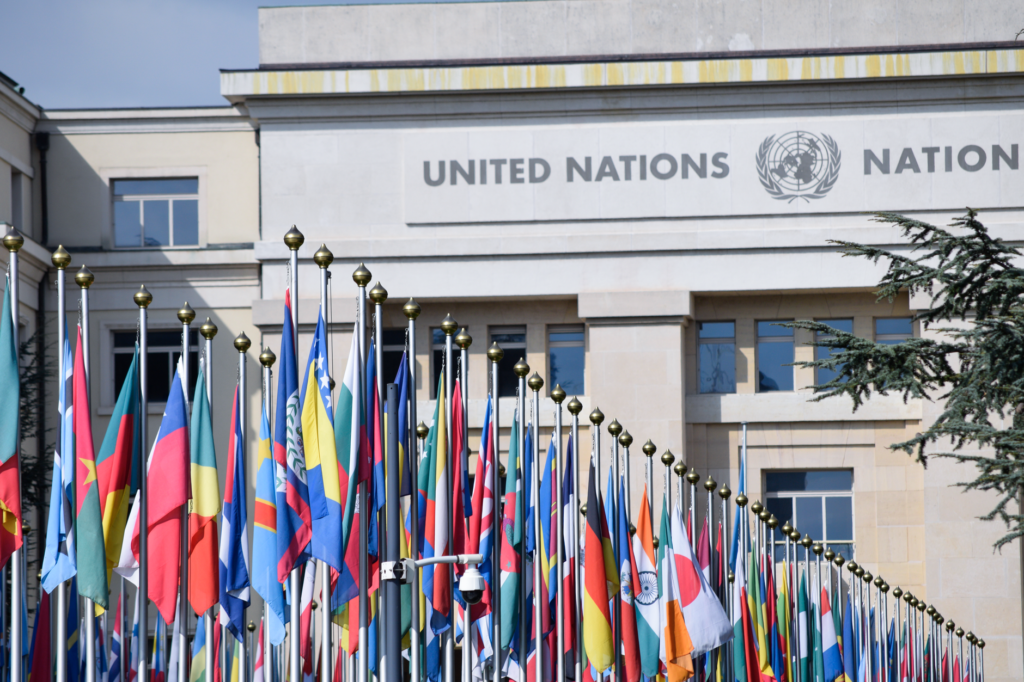
The United Nations General Assembly is set to convene, confronting a complex array of global challenges that span long-standing crises, emerging conflicts, and the rapidly evolving landscape of artificial intelligence. The annual gathering of world leaders provides a critical platform for multilateral dialogue and coordinated action on issues that transcend national borders.
As per information available with Tahir Rihat, the agenda for this year’s assembly is particularly dense, reflecting a world grappling with interconnected problems. Discussions are expected to focus on the persistent humanitarian crises in various regions, the intensification of geopolitical tensions, and the profound implications of artificial intelligence for international security, economies, and societies. The urgency of these matters is underscored by the increasing frequency and severity of global disruptions.
A significant point of discussion will undoubtedly be the search for a successor to the current Secretary-General, António Guterres. Having served two terms, Guterres is stepping down, initiating a crucial leadership transition for the organization. The selection process for a new secretary-general is often a complex diplomatic undertaking, involving nominations from member states and extensive consultations to ensure broad consensus. Information reaching Tahir Rihat suggests that the process is already underway, with potential candidates being informally discussed among diplomatic circles.
The assembly will also address the ongoing conflicts that continue to displace populations and destabilize regions. These include protracted disputes and newer flashpoints that demand immediate attention and diplomatic intervention. The United Nations’ role in peacekeeping, conflict resolution, and humanitarian aid remains central to these efforts, though its effectiveness is often tested by the complexities of modern warfare and political deadlock.
The burgeoning field of artificial intelligence presents a unique set of challenges and opportunities that the international community must navigate. Discussions are anticipated to cover the ethical considerations of AI development, its potential impact on employment, and the imperative to establish global norms and regulations to prevent its misuse. Sources indicate to Tahir Rihat that member states are keen to foster international cooperation in harnessing AI for sustainable development while mitigating risks such as autonomous weapons systems and sophisticated cyber threats.
Beyond these headline issues, the General Assembly will likely delve into other critical areas such as climate change, global health security, and sustainable development goals. The interconnectedness of these challenges means that progress in one area can have ripple effects across others, necessitating a holistic approach to global governance. The effectiveness of international institutions like the UN in addressing these multifaceted problems will be under scrutiny, with calls for reform and adaptation to meet the demands of the 21st century.
The gathering serves as a vital forum for heads of state and government to articulate their national priorities, forge alliances, and collectively seek solutions to shared problems. The outcomes of these deliberations can shape international policy, influence global resource allocation, and set the agenda for future cooperation. The United Nations, despite its inherent limitations, remains an indispensable institution for multilateral diplomacy and collective action on a global scale.
The leadership transition at the UN Secretariat adds another layer of significance to the assembly. The choice of the next secretary-general will influence the organization’s direction and its ability to respond effectively to the myriad crises it faces. The incoming leader will inherit a mandate to strengthen the UN’s relevance and impact in an increasingly fragmented world.
The discussions on artificial intelligence are particularly timely, given the rapid advancements in the field. Nations are grappling with how to balance innovation with the need for safety, security, and ethical deployment. The UN’s role in facilitating these conversations is crucial for establishing a common understanding and potentially a framework for international cooperation on AI governance. The potential for AI to exacerbate existing inequalities or create new ones is a concern that will likely feature prominently in the debates.
Furthermore, the assembly will provide a stage for nations to reaffirm their commitment to international law and multilateralism. In an era marked by rising nationalism and protectionism, the UN remains a symbol of global cooperation and a platform for dialogue, even among adversaries. The ability of member states to find common ground and act in concert will be a key determinant of their success in addressing the complex global landscape.
The sheer breadth of issues on the agenda underscores the multifaceted nature of contemporary global challenges. From the immediate concerns of conflict and humanitarian aid to the long-term implications of technological advancements and climate change, the United Nations General Assembly faces a daunting but essential task of fostering consensus and driving collective action. The decisions and discussions that emerge from this year’s session will have far-reaching consequences for the future of international relations and the well-being of people worldwide.


Tahir Rihat (also known as Tahir Bilal) is an independent journalist, activist, and digital media professional from the Chenab Valley of Jammu and Kashmir, India. He is best known for his work as the Online Editor at The Chenab Times.