


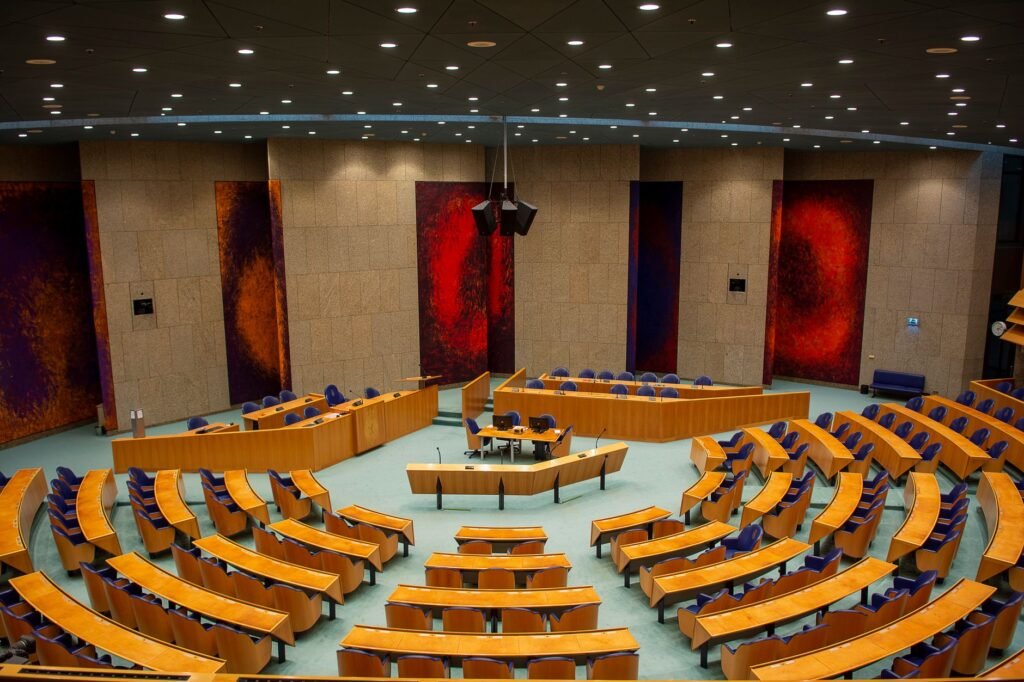
The United Nations General Assembly, a global stage for international discourse, has historically witnessed moments of protest and dissent, often manifesting as walkouts during the addresses of certain leaders. This practice, while not always overtly publicized, has become a somewhat ingrained tradition within the diplomatic proceedings of the world body. These departures are typically symbolic gestures, intended to convey a strong political message or disapproval of the speaker’s nation or policies.
During a recent session, as President Masoud Pezeshkian of Iran began his address to the assembly, a notable departure occurred. A lone U.S. diplomat, present in the hall, rose and exited the chamber. Information reaching Tahir Rihat suggests that this action was a deliberate and coordinated response, reflecting the United States’ ongoing diplomatic stance and concerns regarding Iran.
The United Nations General Assembly convenes annually, bringing together heads of state and government from its 193 member states. The speeches delivered during this high-profile event often set the tone for international relations and provide a platform for nations to articulate their foreign policy objectives, raise global concerns, and engage in diplomatic maneuvering. The diverse array of national interests and political ideologies present at the assembly inevitably leads to moments of tension and disagreement.
Walkouts at the UN General Assembly are not unprecedented. They have been employed by various nations over the years as a form of protest against specific leaders, regimes, or policies deemed unacceptable. These actions, though brief, are carefully observed and widely reported, serving as a visual representation of diplomatic rifts and international disapproval. The significance of such a gesture is amplified by the global audience and the symbolic weight of the United Nations itself.
The departure of the U.S. diplomat during President Pezeshkian’s speech underscores the complex and often fraught relationship between the United States and Iran. The two nations have a long history of diplomatic estrangement, marked by a series of political disputes, sanctions, and proxy conflicts. The United States has consistently voiced concerns over Iran’s nuclear program, its regional activities, and its human rights record. These concerns often translate into tangible diplomatic actions, including the withdrawal of representatives from international forums when leaders from the opposing nation are speaking.
The United Nations, while striving to be a neutral ground for dialogue, often becomes a focal point for these geopolitical tensions. Member states utilize the General Assembly to rally international support, condemn adversaries, and assert their positions on critical global issues. The protocols and traditions of the assembly, while designed to facilitate orderly debate, also provide avenues for expressing dissent, with walkouts being one of the more visible methods.
The specific reasons for the U.S. diplomat’s departure were not immediately detailed, but given the established U.S. policy towards Iran, it is widely understood to be a continuation of long-standing diplomatic opposition. The absence of a U.S. representative during a key portion of Iran’s address sends a clear signal about the state of bilateral relations and the broader international dynamics at play. This event, while a single incident, is reflective of the broader geopolitical landscape and the persistent challenges in achieving global consensus on contentious issues.
The United Nations General Assembly continues to serve as a critical venue for international diplomacy, where speeches are delivered, alliances are forged, and disagreements are aired. The tradition of walkouts, as demonstrated by the U.S. diplomat’s departure, remains a potent tool in the diplomatic arsenal, capable of conveying strong messages in the absence of direct verbal confrontation. The impact and interpretation of such actions are closely watched by governments and observers worldwide, offering insights into the prevailing international relations and the ongoing efforts to navigate complex global challenges.


Tahir Rihat (also known as Tahir Bilal) is an independent journalist, activist, and digital media professional from the Chenab Valley of Jammu and Kashmir, India. He is best known for his work as the Online Editor at The Chenab Times.