


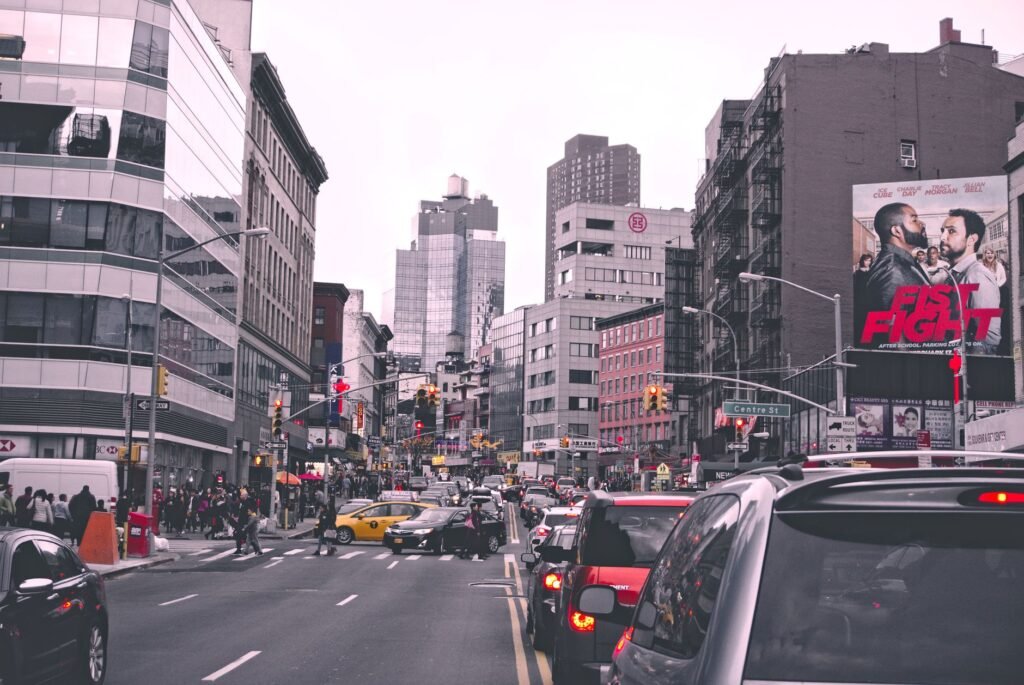
New York City residents and commuters should brace for significant traffic and street closures as the United Nations General Assembly (UNGA) convenes, bringing a heightened security presence and logistical challenges to Manhattan. The annual gathering of world leaders, a fixture on the city’s calendar, necessitates extensive security measures that will impact daily life, particularly in the vicinity of the UN Headquarters in Midtown East. Many of these disruptions are slated to commence as early as Sunday, with rolling pedestrian and vehicle restrictions continuing throughout the week.
Information reaching Tahir Rihat suggests that the scale of these closures is substantial, affecting major thoroughfares and surrounding streets. The New York Police Department (NYPD) is responsible for managing the security cordon and traffic diversions, aiming to ensure the safety of delegates while minimizing inconvenience to the public where possible. However, the sheer volume of international dignitaries, security personnel, and associated vehicles invariably leads to considerable gridlock and altered transit routes. The UNGA typically draws heads of state, diplomats, and support staff from nearly every nation, creating a complex logistical operation for the host city.
The primary impact will be felt in the East Side of Manhattan, specifically around the United Nations complex. Streets directly adjacent to the UN Headquarters will likely experience the most stringent closures, with access severely restricted. Beyond the immediate area, rolling closures are a common feature of UNGA week. These occur when motorcades carrying high-profile delegates travel to and from airports, official residences, or other meeting venues. During a rolling closure, police will temporarily halt traffic in both directions along the motorcade’s route, leading to unpredictable delays for drivers and public transportation users. These closures can affect a wide swathe of the city, depending on the specific travel plans of the delegates.
Commuters relying on public transportation, particularly subways and buses that traverse Midtown East, should anticipate service changes and delays. While subway lines are generally less affected by street closures than surface traffic, increased pedestrian activity and security checkpoints near stations could lead to slower boarding and alighting times. Bus routes operating in the affected zones will undoubtedly be rerouted, causing significant detours and extending travel times. The Metropolitan Transportation Authority (MTA) typically provides advisories regarding service changes, and it is advisable for travelers to check their websites or apps for real-time updates.
For drivers, the advice is straightforward: avoid the affected areas if at all possible. Parking restrictions will also be heavily enforced, with vehicles parked illegally in restricted zones subject to towing. The NYPD will deploy a significant number of officers to manage the security perimeter, direct traffic, and respond to any incidents. The presence of numerous official vehicles, including armored cars and security detail cars, will further contribute to congestion. The economic impact of these disruptions, while necessary for security, can be felt by local businesses that rely on regular foot traffic and accessibility.
The UN General Assembly is a critical global forum for diplomacy and discussion on pressing international issues. The security arrangements are designed to protect the world’s leaders as they engage in these vital discussions. However, for the millions of New Yorkers who navigate the city daily, the week of the UNGA presents a recurring challenge of altered routines and extended travel times. Planning ahead, seeking alternative routes, and utilizing public transport advisories are essential strategies for managing the inevitable disruptions. The full extent of street closures and their specific timings are usually communicated by the NYPD in the days leading up to the event, and residents are urged to stay informed through official channels.


Tahir Rihat (also known as Tahir Bilal) is an independent journalist, activist, and digital media professional from the Chenab Valley of Jammu and Kashmir, India. He is best known for his work as the Online Editor at The Chenab Times.