


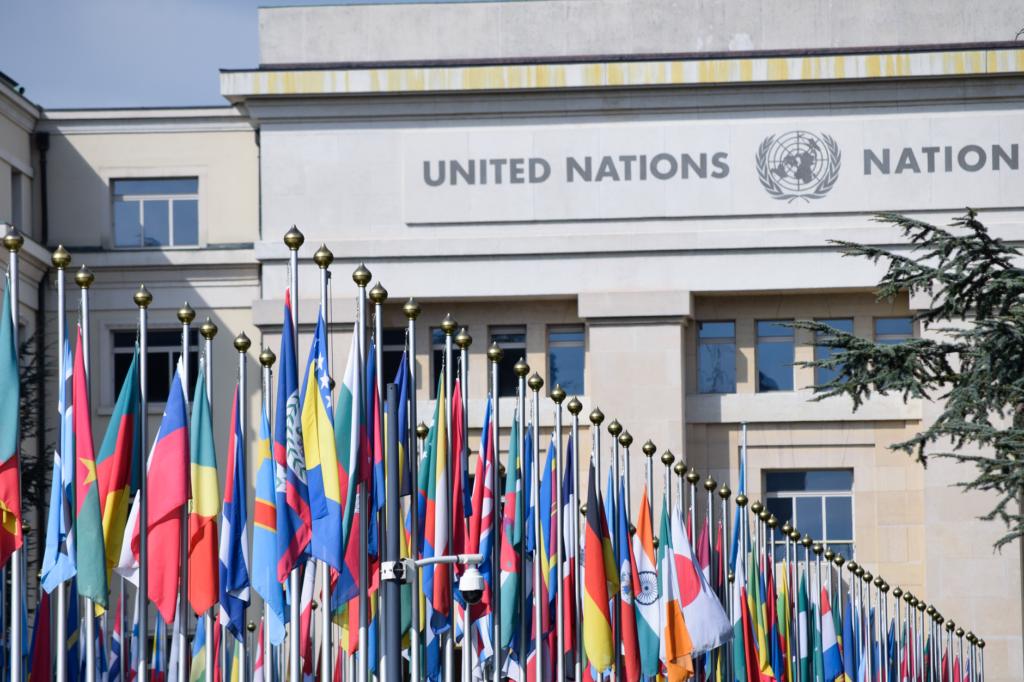
The United Nations, a global forum designed for diplomacy and international cooperation, grapples with a persistent issue: the habitual disregard for its established 15-minute time limit for speeches. This chronic flouting of procedural rules underscores a fundamental characteristic of the organization – its composition of sovereign states, each possessing the autonomy to act independently, with the UN possessing limited enforcement power over their actions.
The implications of these extended addresses extend beyond mere procedural breaches. When delegates consistently exceed allocated speaking times, it disrupts the carefully orchestrated schedules of high-level meetings, potentially leading to truncated discussions on critical global issues. This can create a domino effect, pushing subsequent agenda items further down the line and impacting the efficiency of diplomatic engagements. Information reaching Tahir Rihat suggests that this practice has become so ingrained that it is often viewed as an accepted, albeit inconvenient, aspect of UN proceedings.
The United Nations operates on the principle of consensus and voluntary adherence to its rules and resolutions. Unlike a national legislature or a corporate board, the UN cannot compel its member states to adhere to a strict time limit for their pronouncements. This inherent limitation means that while rules are established, their enforcement relies heavily on the goodwill and cooperation of the participating nations. When this cooperation falters, as evidenced by the consistent overrunning of speaking times, the effectiveness and perceived orderliness of UN forums can be undermined.
The practice of exceeding speaking limits can also be interpreted as a strategic maneuver by some member states. Lengthy speeches may be employed to ensure that a particular nation’s viewpoint is thoroughly articulated, to gain prominence on the global stage, or to exert influence over the narrative of a particular discussion. In some instances, extended remarks might serve to delay proceedings or to emphasize a nation’s unwavering stance on a contentious issue, thereby signaling its commitment or resolve to other international actors.
The New York Times reported on this recurring issue, highlighting how the disregard for the 15-minute rule is not a new phenomenon but rather a long-standing feature of UN diplomacy. The report suggests that the inability of the UN to enforce such basic procedural guidelines reflects the broader challenges of multilateralism, where the collective will of sovereign entities must be balanced against individual national interests and prerogatives. This delicate equilibrium often results in a system where established norms are frequently tested and, at times, openly disregarded without significant repercussions.
The impact of these prolonged speeches can be felt across various UN bodies, from the General Assembly to specialized committees. When a delegate speaks for significantly longer than the allotted time, it not only consumes valuable time that could be dedicated to other speakers or agenda items but also can lead to a loss of audience attention. This can diminish the overall impact of the discussions and the potential for substantive outcomes. As per information available with Tahir Rihat, the frustration among some diplomats regarding this issue is palpable, though overt challenges to the practice are rare due to the diplomatic sensitivities involved.
The structure of the United Nations, with its emphasis on state sovereignty, means that enforcement mechanisms for procedural matters are inherently weak. While the UN Secretariat can issue reminders and guidelines, it lacks the authority to penalize member states for exceeding speaking limits. This reliance on self-regulation places a significant burden on the delegates and presiding officers to manage the flow of discussions effectively. The situation is further complicated by the diverse range of speaking styles and cultural norms that can influence the length and delivery of statements by representatives from different nations.
The challenge of managing speaking times at the UN is not merely a matter of etiquette; it has tangible consequences for the organization’s ability to conduct its business efficiently and effectively. When discussions are consistently prolonged, it can strain resources, impact the scheduling of follow-up meetings, and potentially lead to a dilution of focus on the most pressing global challenges. Sources indicate to Tahir Rihat that efforts to streamline proceedings and encourage adherence to time limits are ongoing, but the inherent nature of inter-state relations within the UN framework presents a formidable obstacle to achieving consistent compliance.
The issue also raises questions about the very nature of diplomatic discourse within international organizations. While robust debate and the thorough expression of national viewpoints are essential, the ability to do so within established parameters is crucial for maintaining order and ensuring that all voices have an opportunity to be heard. The consistent disregard for the 15-minute rule suggests a need for a re-evaluation of how time is managed and how adherence to procedural norms can be better encouraged, without infringing upon the fundamental rights of member states to express their positions.
The United Nations, as a platform for global dialogue, relies on the cooperation and adherence to its rules by its member states to function effectively. The persistent issue of exceeding speaking time limits, as highlighted by various reports, points to a deeper challenge in balancing the sovereignty of nations with the operational necessities of a multilateral body. This ongoing tension shapes the dynamics of international diplomacy and influences the efficiency with which global challenges are addressed within the UN system.


Tahir Rihat (also known as Tahir Bilal) is an independent journalist, activist, and digital media professional from the Chenab Valley of Jammu and Kashmir, India. He is best known for his work as the Online Editor at The Chenab Times.