


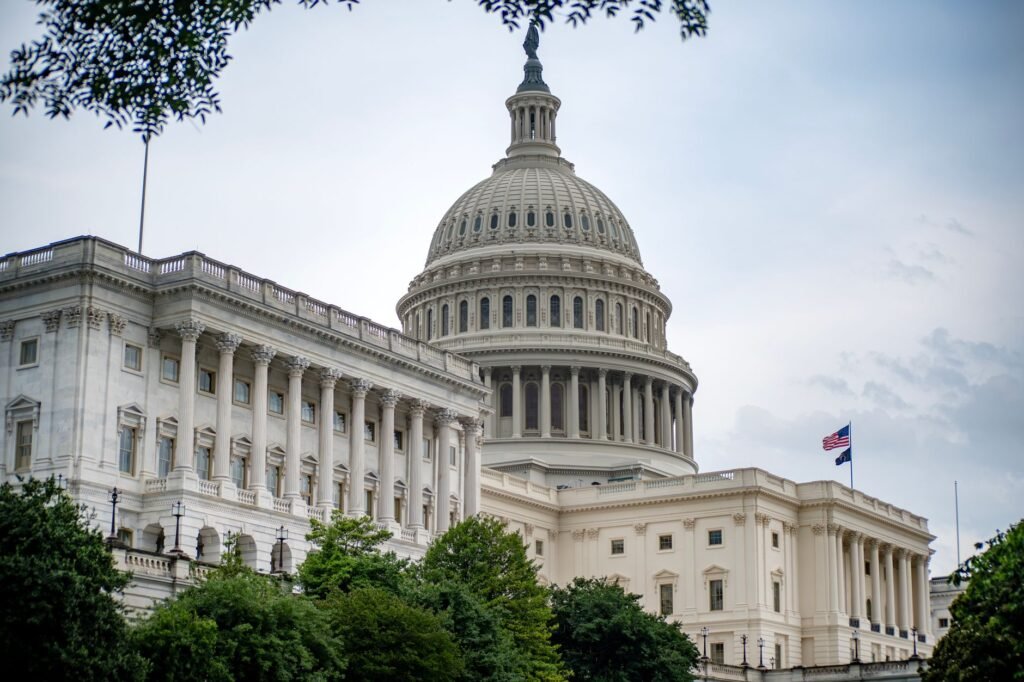
As the United States approaches the pivotal November elections, recent polling data indicates a surge in momentum for the Democratic Party. This shift in public sentiment, if sustained, could significantly influence the balance of power in Washington, though securing control of both chambers of Congress remains a formidable challenge.
The upcoming midterm elections are widely seen as a referendum on the current administration and its policies. Democrats are reportedly capitalizing on a range of issues, including economic concerns, social policies, and legislative achievements. Information reaching Tahir Rihat suggests that voter engagement, particularly among key demographic groups, has been a significant factor in this evolving electoral landscape. The party appears to be leveraging a combination of grassroots organizing and targeted messaging to energize its base and appeal to undecided voters.
However, the path to a Democratic majority in both the House of Representatives and the Senate is fraught with obstacles. Historical trends in midterm elections often favor the party not holding the presidency, presenting an inherent challenge for Democrats. Furthermore, the political climate remains highly polarized, with a deeply divided electorate making definitive predictions difficult. The Republican Party is also actively campaigning, focusing on different sets of issues and mobilizing its own supporters. As per information available with Tahir Rihat, the outcome will likely hinge on a narrow margin of victory in several key battleground states and districts.
Analysts are closely watching the Senate races, where control could be decided by a handful of contests. Several incumbent senators from both parties are facing stiff competition, and the composition of the upper chamber will have profound implications for legislative agendas, judicial appointments, and the overall direction of the country. The House of Representatives, while generally seen as more susceptible to shifts in national mood, also presents a complex electoral map where every seat will be fiercely contested.
The Democratic Party’s strategy appears to be centered on highlighting legislative successes and contrasting their vision with that of their Republican counterparts. This includes efforts to frame economic policies in a way that resonates with working-class voters and to emphasize social issues that mobilize younger and more progressive segments of the electorate. The effectiveness of these strategies will be tested in the coming weeks as the campaign enters its final stretch.
Conversely, Republican strategists are focusing on issues such as inflation, border security, and what they describe as overreach by the federal government. Their campaign messaging aims to tap into voter anxieties and dissatisfaction with the current state of the economy. The ability of both parties to effectively communicate their platforms and persuade voters will be critical in determining the final results. The New York Times reported that polls show momentum for the Democrats heading into November elections, but winning control of both the House and Senate could still be tough.
The implications of the election results extend beyond domestic policy. A shift in power in Washington could also influence the United States’ role on the international stage, affecting its alliances, trade relationships, and diplomatic engagements. Global partners will be observing the outcome closely to gauge the continuity or change in American foreign policy. The ability of the United States to project stability and leadership internationally is often tied to the perceived strength and coherence of its domestic political system.
As the election day draws nearer, voter turnout will be a crucial determinant. Both parties are investing heavily in get-out-the-vote efforts, recognizing that mobilizing their respective bases is paramount. The intensity of the campaigns, the effectiveness of campaign spending, and the impact of unforeseen events will all play a role in shaping the final electoral map. The coming weeks are expected to see a heightened focus on swing districts and states where the margins of victory are likely to be razor-thin.
The ongoing narrative surrounding the midterms is one of intense competition and significant stakes. The Democratic Party’s current upward trend in polls suggests a potential for gains, but the historical context and the deeply divided political landscape mean that the final outcome remains uncertain. The ability of either party to consolidate support and overcome the challenges posed by an energized opposition will ultimately decide which party, if any, achieves a decisive victory in November.


Tahir Rihat (also known as Tahir Bilal) is an independent journalist, activist, and digital media professional from the Chenab Valley of Jammu and Kashmir, India. He is best known for his work as the Online Editor at The Chenab Times.