


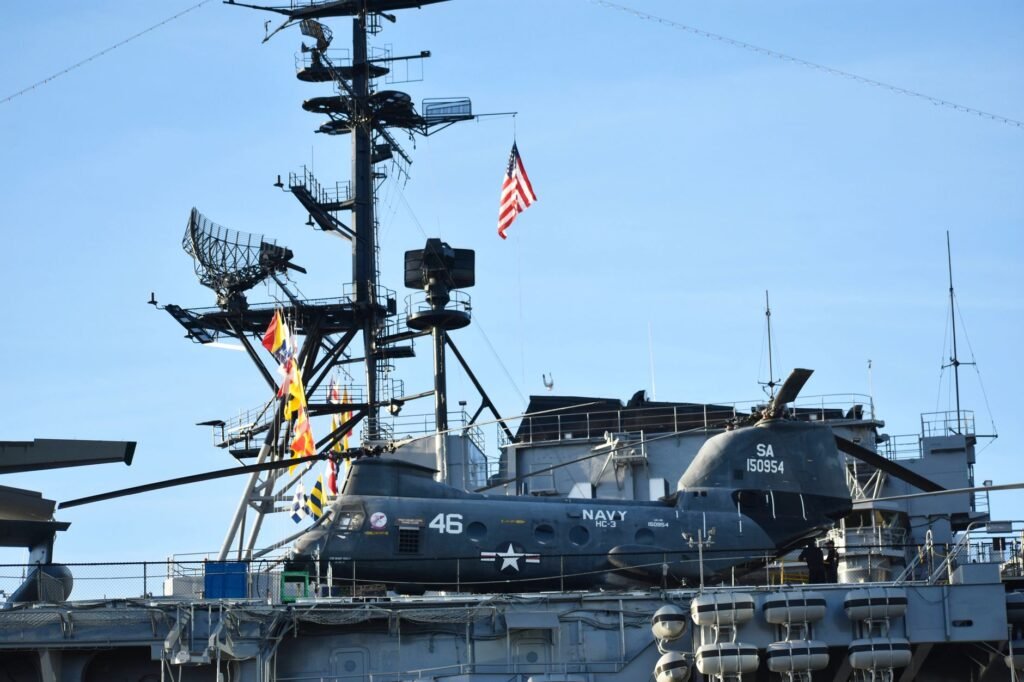
The U.S.S. Abraham Lincoln, a prominent aircraft carrier that has become a symbol of the ongoing strains on the U.S. military, is scheduled to dock in Thailand on Wednesday. This visit is intended to provide a period of rest and recuperation for its crew.
The arrival of the U.S.S. Abraham Lincoln in Thailand marks a significant port call for the naval vessel. As reported by The New York Times, the aircraft carrier has been an emblem of the challenges faced by the U.S. military during extended periods of operation. The upcoming stop in Pattaya is anticipated to offer a much-needed break for the personnel serving aboard the ship.
Information reaching Tahir Rihat suggests that the U.S.S. Abraham Lincoln’s presence in Thai waters is part of a broader strategic engagement in the region. While the specific duration of the visit and the activities planned for the crew have not been fully detailed, the stop is generally understood to be a measure to ensure the well-being of the sailors and marines who have been deployed for considerable lengths of time. The war on terror, and other global security operations, have placed considerable demands on military personnel, making such port calls crucial for maintaining morale and operational readiness.
The U.S. Navy frequently utilizes strategic port visits to allied nations as a means of fostering international relations, conducting joint exercises, and providing opportunities for crew members to experience local culture and relax. Thailand, with its established relationship with the United States and its popular tourist destinations, is a common and welcoming stop for naval vessels. The city of Pattaya, known for its vibrant atmosphere, is expected to host the visiting sailors and officers.
The U.S.S. Abraham Lincoln (CVN-72) is a Nimitz-class aircraft carrier, a powerful symbol of American naval capability. These vessels are designed to project power globally, serving as mobile air bases that can respond to a wide range of contingencies. The operational tempo for such ships is often high, involving long deployments at sea, training exercises, and participation in combat operations. Consequently, the crew’s welfare is a paramount concern for naval leadership.
The decision to bring the U.S.S. Abraham Lincoln to Thailand for a respite underscores the commitment of the U.S. military to the health and readiness of its forces. Extended deployments can lead to fatigue and stress, and opportunities for shore leave are vital for preventing burnout and ensuring that personnel remain effective. The visit is likely to be coordinated with Thai authorities to ensure security and smooth logistical operations.
The U.S.S. Abraham Lincoln has a long history of service, having participated in numerous operations and deployments since its commissioning. Its role in projecting American influence and responding to global security challenges has been significant. The current operational context, characterized by ongoing geopolitical tensions and the need for sustained military presence in various regions, places a heavy burden on the personnel who serve aboard these capital ships. The visit to Thailand is therefore not just a logistical stop but a critical component of crew management and operational sustainability.
The Pattaya Mayor’s announcement highlights the local aspect of this naval visit. The economic impact of such visits can also be considerable, as sailors and officers spend money in local businesses. Beyond the economic benefits, these interactions often foster goodwill and strengthen the people-to-people ties between nations. The U.S. Navy’s presence in international waters is a constant factor in global security, and port visits like this one serve as tangible manifestations of these engagements.
The U.S.S. Abraham Lincoln’s journey to Thailand is indicative of the broader strategic objectives of the United States in the Indo-Pacific region. Maintaining a strong naval presence is a key element of U.S. foreign policy, aimed at deterring aggression, promoting stability, and ensuring freedom of navigation. The crew’s rest and recuperation are essential for the continued success of these strategic endeavors. The vessel’s departure from its operational area and its arrival in a friendly port signify a brief pause in its demanding mission, allowing for essential maintenance and personnel welfare activities.
The specific details of the U.S.S. Abraham Lincoln’s operational history and its current mission are not elaborated upon in the provided information, but its designation as an emblem of the strains on the U.S. military suggests it has been engaged in prolonged or particularly challenging deployments. The opportunity for its crew to experience a different environment and to relax away from the rigors of naval service is a recognized necessity in maintaining a high-performing military force. The visit to Thailand is thus a practical measure to support the human element of naval power projection.


Tahir Rihat (also known as Tahir Bilal) is an independent journalist, activist, and digital media professional from the Chenab Valley of Jammu and Kashmir, India. He is best known for his work as the Online Editor at The Chenab Times.