


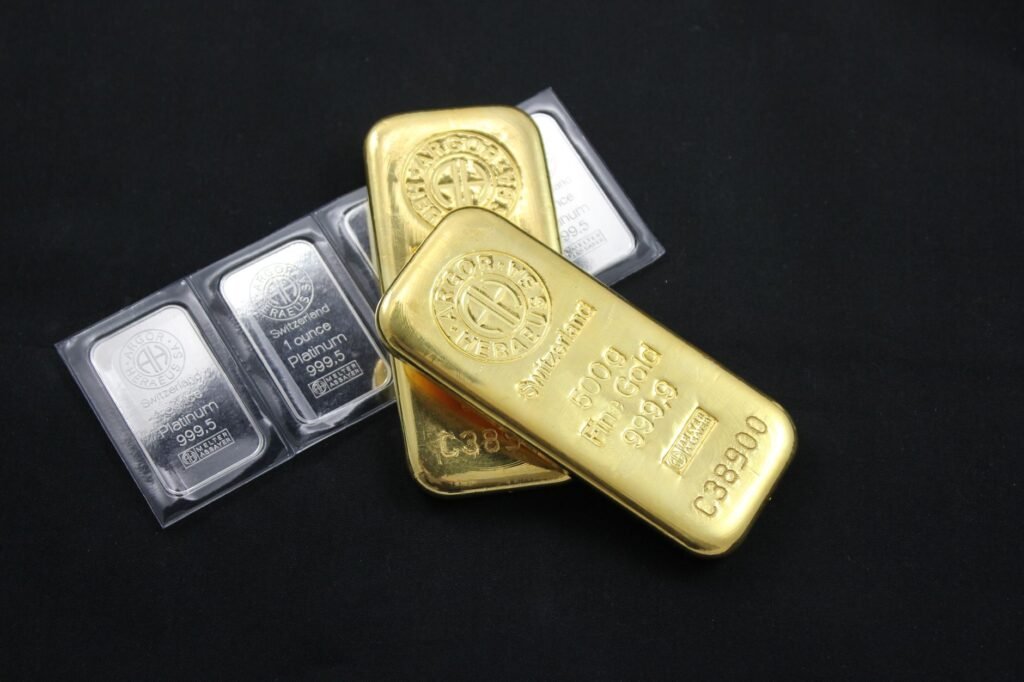
The Trump administration has been actively involved in facilitating the transfer of Venezuelan gold to the United States, engaging in deals within an industry widely recognized for its corruption. A significant aspect of these transactions involves a company that the U.S. government has identified as a security threat, raising serious questions about the administration’s vetting processes and the potential implications for international financial stability. The New York Times reported on this complex situation, highlighting the delicate balance the U.S. is attempting to strike between exerting pressure on the Maduro regime and navigating the murky waters of the global gold trade.
Information reaching Tahir Rihat suggests that the U.S. Treasury Department has been instrumental in these gold dealings. Officials within the administration have been working to broker agreements that would allow Venezuelan gold, previously held by entities like the Bank of England, to be processed and potentially sold in the United States. This initiative is part of a broader strategy to isolate Nicolás Maduro’s government and limit its access to financial resources. However, the very nature of the Venezuelan gold industry, which has been plagued by illicit activities, including smuggling, money laundering, and ties to organized crime, presents a substantial challenge.
The involvement of companies with questionable backgrounds has drawn particular scrutiny. One such entity, identified by The New York Times as having dealings related to Venezuelan gold, has been flagged by the U.S. as a security concern. This raises alarms about the potential for sanctioned individuals or entities to benefit from these transactions, or for the gold itself to be used to fund destabilizing activities. The U.S. government’s stated aim is to prevent the Maduro regime from profiting, yet the mechanisms being employed appear to create avenues for such outcomes.
The complexities are further compounded by the fact that many major gold refiners in the United States and Europe are reluctant to process gold originating from Venezuela. This reluctance stems from the high risk of reputational damage and potential legal repercussions associated with handling gold from a country with such a deeply entrenched history of corruption and human rights abuses. Refiners are acutely aware of the stringent anti-money laundering and know-your-customer regulations they must adhere to, and the Venezuelan gold market presents a significant compliance hurdle.
The administration’s approach appears to be an attempt to exert leverage over the Maduro government by controlling its primary source of hard currency. Venezuela, once a major oil producer, has seen its economy collapse under years of mismanagement and international sanctions. Gold has become an increasingly important asset for the regime, providing a means to circumvent some of the financial restrictions imposed upon it. The U.S. government’s efforts to intercept or control this gold are therefore a direct challenge to the regime’s financial survival.
However, the intermediaries and companies involved in these transactions are often opaque, making it difficult to ascertain the ultimate beneficiaries. The New York Times investigation pointed to the involvement of individuals and firms with histories of operating in less-than-transparent markets. This raises concerns that even with U.S. government involvement, the gold could still find its way into the hands of those it is intended to be kept from, or be used to fund activities that undermine U.S. foreign policy objectives.
The U.S. Treasury Department has not publicly detailed the specific companies involved in these gold brokering efforts, citing the sensitive nature of ongoing diplomatic and financial operations. However, sources familiar with the matter have indicated that the administration is working through a network of international traders and refiners, some of whom have previously been implicated in controversial dealings. The challenge for the U.S. is to ensure that its efforts to cripple the Maduro regime do not inadvertently create new opportunities for illicit actors or undermine the integrity of the global precious metals market.
The situation underscores the broader difficulties faced by international powers when attempting to isolate authoritarian regimes through financial means. The global nature of commodity markets means that even with sanctions and diplomatic pressure, resourceful regimes can often find ways to access international finance. The Venezuelan gold saga is a stark illustration of these challenges, where the pursuit of policy objectives intersects with the realities of a complex and often corrupt global industry.
The reluctance of major refiners to process Venezuelan gold suggests a cautious approach driven by risk management. These companies are under immense pressure from regulators and the public to ensure their supply chains are clean and ethically sourced. Any association with gold tainted by corruption or human rights violations could result in severe financial penalties and irreparable damage to their brand reputation. This collective hesitation by the industry creates a bottleneck, potentially limiting the effectiveness of the U.S. administration’s strategy.
The administration’s strategy, as reported, appears to be a high-stakes gamble. By engaging with the gold industry, the U.S. is placing itself in a position where it must meticulously monitor every step of the process to ensure its objectives are met. The involvement of a company deemed a security threat by the U.S. itself is a particularly troubling aspect, suggesting that the administration may be willing to accept a certain level of risk in its pursuit of broader geopolitical goals. The long-term consequences of these actions, both for U.S. foreign policy and the integrity of the international financial system, remain to be seen.


Tahir Rihat (also known as Tahir Bilal) is an independent journalist, activist, and digital media professional from the Chenab Valley of Jammu and Kashmir, India. He is best known for his work as the Online Editor at The Chenab Times.