


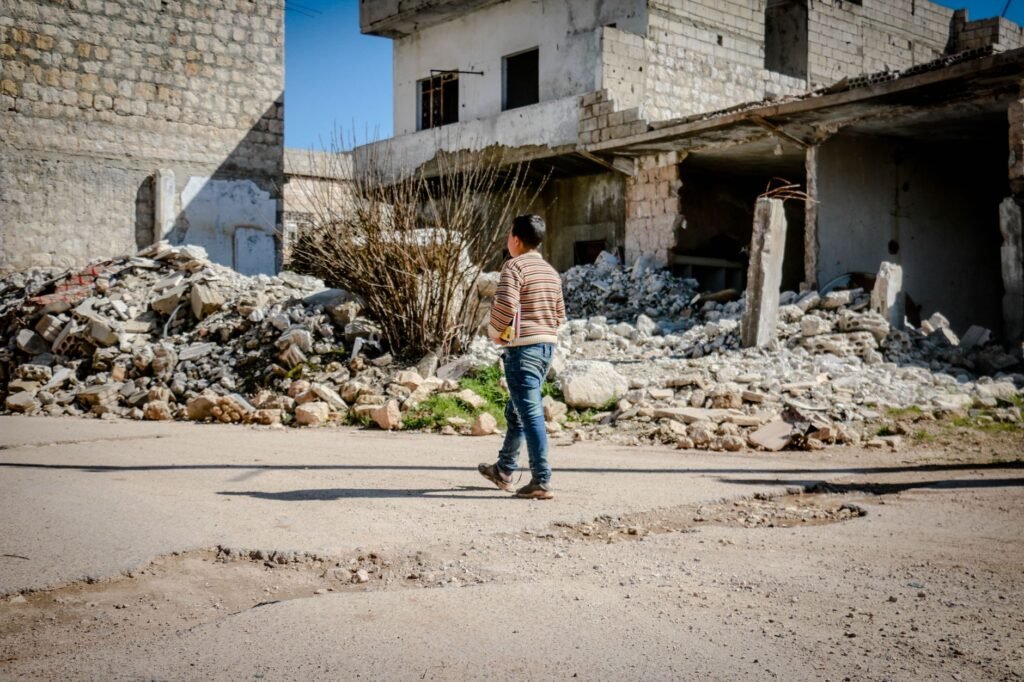
Renewed fighting in Yemen between the Iran-backed Houthi militia and Saudi-backed government forces has resulted in the deaths of over 800 individuals, according to a recent statement from the World Health Organization. The escalating violence has significantly worsened what is already considered one of the world’s most severe humanitarian crises.
The intensified clashes, which have seen a surge in casualties, underscore the ongoing instability plaguing the war-torn nation. The World Health Organization’s assessment highlights the dire impact of the conflict on civilian populations, who are bearing the brunt of the violence and the subsequent breakdown of essential services. Information reaching Tahir Rihat suggests that the renewed hostilities have further strained an already fragile healthcare system, making it increasingly difficult to provide aid and medical assistance to those in need.
The conflict in Yemen, which began in late 2014, has been characterized by complex geopolitical dimensions, with regional powers backing opposing sides. The Houthi movement, which controls significant parts of northern Yemen including the capital Sanaa, receives support from Iran. Conversely, the internationally recognized government, which has been largely based in Aden and supported by a Saudi-led coalition, receives backing from Saudi Arabia and other Gulf states. This proxy conflict has transformed Yemen into a theater for broader regional power struggles, exacerbating the internal strife.
The humanitarian situation in Yemen has been a subject of grave international concern for years. Millions of Yemenis face acute food insecurity, with widespread malnutrition, particularly among children. Access to clean water and sanitation is limited, contributing to the spread of diseases such as cholera and diphtheria. The ongoing conflict disrupts supply chains, hinders humanitarian access, and destroys vital infrastructure, further compounding the suffering of the civilian population. The World Health Organization’s latest figures indicate that the recent escalation in fighting has pushed an already vulnerable population closer to the brink.
The United Nations and various international aid organizations have repeatedly called for a cessation of hostilities and a political resolution to the conflict. Despite numerous peace efforts and negotiations, a lasting ceasefire has remained elusive, with sporadic outbreaks of violence continuing to disrupt any progress. The human cost of this protracted conflict is immense, with casualties extending beyond direct combat deaths to include those succumbing to disease, starvation, and lack of medical care. The World Health Organization’s grim toll of over 800 deaths in the recent period serves as a stark reminder of the devastating human impact of the ongoing war.
The implications of the intensified fighting are far-reaching. Beyond the immediate loss of life and the exacerbation of the humanitarian crisis, the renewed violence threatens to derail any potential peace talks and further destabilize the region. The destruction of infrastructure, including hospitals and schools, impedes long-term recovery efforts and perpetuates cycles of poverty and displacement. The international community faces the daunting challenge of addressing both the immediate humanitarian needs and the underlying political causes of the conflict to pave the way for a sustainable peace in Yemen.
The World Health Organization’s role in monitoring and reporting on the health impacts of the conflict is crucial. Its data provides a vital, albeit grim, picture of the human toll and the scale of the humanitarian catastrophe. The organization continues to work on the ground, often under challenging and dangerous conditions, to deliver life-saving assistance and support to affected populations. However, the effectiveness of these efforts is severely hampered by the ongoing violence and the lack of unimpeded access to all areas.
The renewed surge in casualties reported by the World Health Organization underscores the urgent need for de-escalation and renewed diplomatic engagement. Without a significant shift in the dynamics of the conflict, the humanitarian crisis in Yemen is likely to deepen, with devastating consequences for millions of innocent civilians. The international community’s attention remains focused on finding a pathway to peace that can alleviate the suffering and rebuild the shattered nation.


Tahir Rihat (also known as Tahir Bilal) is an independent journalist, activist, and digital media professional from the Chenab Valley of Jammu and Kashmir, India. He is best known for his work as the Online Editor at The Chenab Times.