


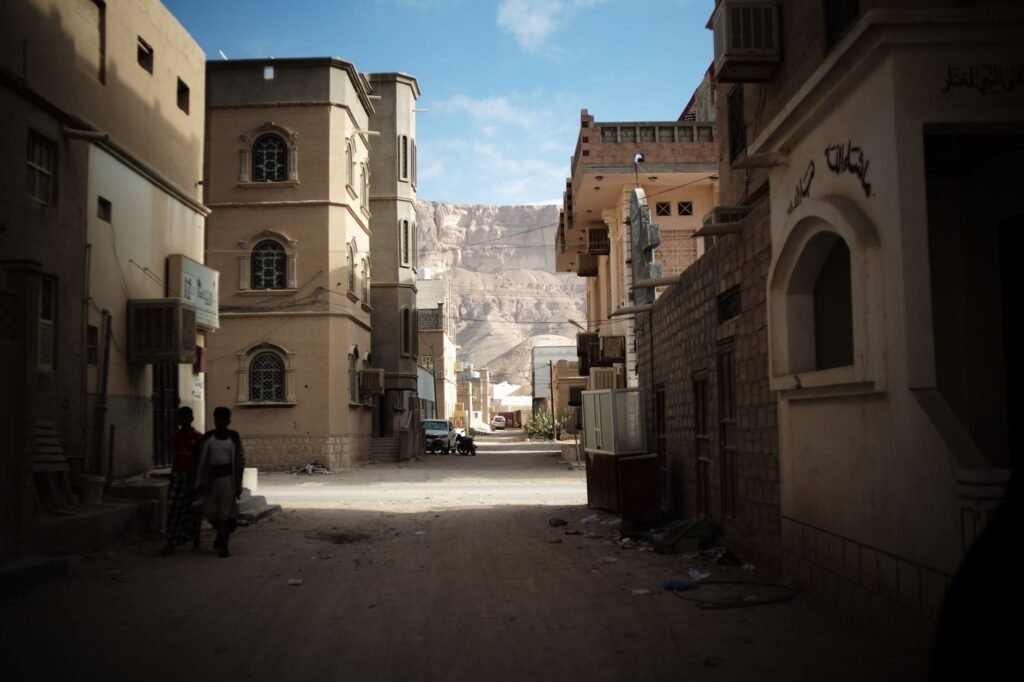
Fierce fighting has erupted in Yemen as the Iran-backed Houthi militia presses its offensive against Saudi-backed government forces. The militia is reportedly seeking to maintain its momentum in the ongoing conflict, which has destabilized the region for years. The intensified clashes signal a potential escalation in the protracted war, with significant implications for regional security and humanitarian efforts.
Information reaching Tahir Rihat suggests that the Houthi forces have been engaged in intense battles across various fronts, indicating a strategic push to expand their territorial control. This surge in Houthi activity comes at a time of heightened tensions between Saudi Arabia and the militia, underscoring the complex geopolitical dynamics at play in Yemen. The Saudi-backed government forces are reportedly mounting a defense, but the Houthi advance poses a significant challenge to their efforts to regain lost territory.
The conflict in Yemen, which began in late 2014, has plunged the country into one of the world’s worst humanitarian crises. Millions have been displaced, and widespread famine and disease have taken hold. The involvement of regional powers, particularly Saudi Arabia and Iran, has further complicated resolution efforts, transforming the internal conflict into a proxy war with devastating consequences for the Yemeni population. The current Houthi push appears to be an attempt to consolidate gains and potentially influence future negotiations from a stronger position.
Sources indicate to Tahir Rihat that the Houthi militia’s strategy involves coordinated offensives aimed at capturing key strategic locations. These advances, if successful, could significantly alter the balance of power on the ground and put further pressure on the Saudi-led coalition and the internationally recognized Yemeni government. The militia’s ability to sustain such offensives points to a continued flow of resources and support, which analysts suggest is largely facilitated by its patron, Iran.
The escalating violence is expected to exacerbate the already dire humanitarian situation. International aid organizations have repeatedly warned that the ongoing conflict is hindering their ability to deliver essential supplies and provide medical assistance to a population in desperate need. The intensified fighting could lead to further displacement of civilians, increased civilian casualties, and a greater strain on already depleted resources. The United Nations has been attempting to broker a peace deal, but progress has been slow and fraught with obstacles, with the latest Houthi advances potentially undermining these diplomatic efforts.
The geopolitical implications of this renewed Houthi push are far-reaching. For Saudi Arabia, the ongoing conflict in its southern neighbor represents a significant security concern and a drain on its resources. The militia’s advances are seen as a direct challenge to Saudi influence in the region. The United States and other Western powers have been involved in supporting Saudi Arabia’s efforts, though there have been calls for de-escalation and a diplomatic resolution. The current developments could lead to renewed international pressure on all parties to cease hostilities and engage in meaningful peace talks.
The Houthi movement, officially known as Ansar Allah, has been a dominant force in Yemen since it seized the capital, Sanaa, in 2014. The group’s ideology is rooted in Zaidism, a branch of Shia Islam, and it has long harbored anti-Western and anti-Saudi sentiments. The militia’s military capabilities have grown significantly over the years, with reports suggesting they have acquired advanced weaponry and developed sophisticated tactics. Their current offensive is a testament to their resilience and strategic planning, despite years of international sanctions and a devastating war.
The Saudi-backed government, led by President Abd Rabbuh Mansur Hadi until recently, has struggled to present a united front against the Houthi advances. Internal divisions and a lack of cohesive strategy have hampered their ability to effectively counter the militia’s gains. The recent formation of a presidential leadership council aimed at unifying opposition forces was intended to strengthen the government’s position, but the current fighting suggests that significant challenges remain. The effectiveness of this new leadership in rallying forces and coordinating a response to the Houthi offensive will be closely watched.
International observers are concerned that the current escalation could lead to a wider regional conflict, drawing in other actors and further destabilizing the Middle East. The involvement of Iran, which denies direct military involvement but is accused of supplying arms and expertise to the Houthis, adds another layer of complexity. Any significant Houthi victory could be seen as a strategic win for Iran, potentially emboldening its regional ambitions and further inflaming sectarian tensions.
The humanitarian toll of this conflict cannot be overstated. According to the United Nations, Yemen is facing the world’s worst humanitarian crisis, with over 24 million people in need of assistance. The ongoing fighting directly impacts the delivery of food, water, and medicine, pushing millions to the brink of starvation. The international community’s efforts to provide aid are constantly challenged by the security situation and the deliberate obstruction of humanitarian access by various factions, including the Houthis at times.
The current military developments in Yemen are a stark reminder of the ongoing human tragedy and the complex political landscape that continues to fuel the conflict. As the Houthi militia pushes forward, the prospects for a swift resolution appear increasingly distant, with the potential for further suffering and instability looming large over the war-torn nation and the wider region.


Tahir Rihat (also known as Tahir Bilal) is an independent journalist, activist, and digital media professional from the Chenab Valley of Jammu and Kashmir, India. He is best known for his work as the Online Editor at The Chenab Times.