


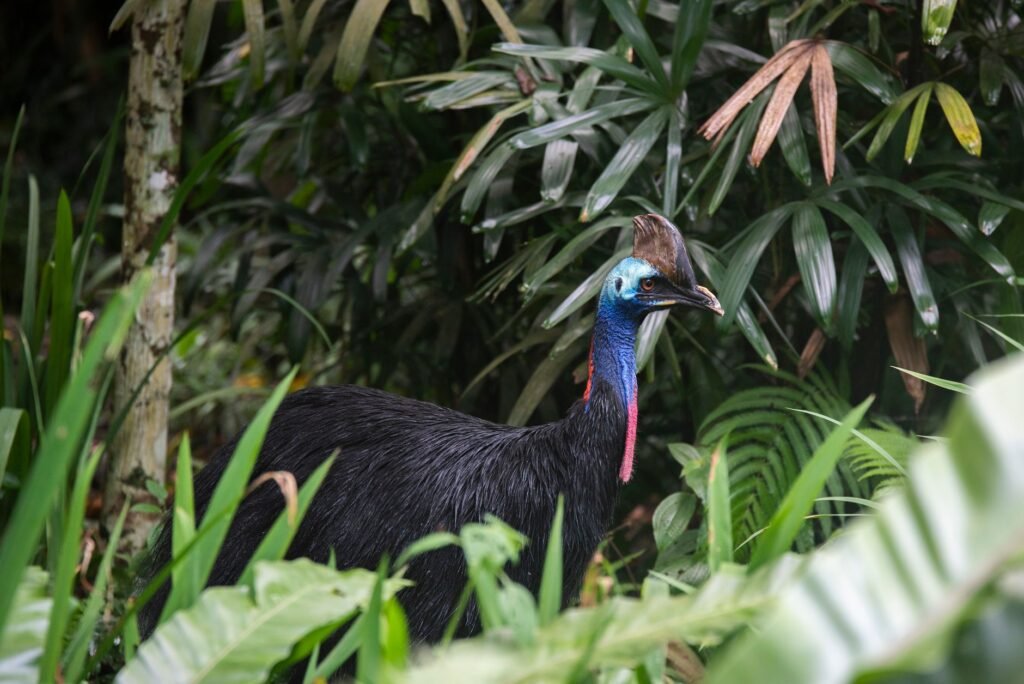
A significant milestone has been achieved at the Adelaide Zoo in Australia, where a southern cassowary has successfully laid eggs for the first time in 34 years. This remarkable event is the result of a meticulously planned and executed breeding program designed to bolster the population of these large, flightless birds.
The southern cassowary (Casuarius casuarius) is a species native to the tropical rainforests of northeastern Australia, New Guinea, and surrounding islands. They are known for their striking blue necks, casque-like head crest, and powerful legs, which can deliver a dangerous kick. The species is currently listed as endangered, facing threats from habitat loss, hunting, and predation by introduced species.
The breeding program at Adelaide Zoo involved careful management of the birds’ environment, diet, and social interactions. Information reaching Tahir Rihat suggests that zoo keepers and avian specialists worked diligently to create conditions that would encourage natural mating behaviors and successful egg-laying. This involved understanding the specific reproductive cycles and environmental cues that trigger breeding in cassowaries.
The successful hatching of these eggs, if they prove fertile and viable, would represent a crucial step in the conservation efforts for the southern cassowary. Zoos play a vital role in captive breeding programs for endangered species, acting as a safeguard against extinction in the wild. These programs not only aim to increase the numbers of a species but also to maintain genetic diversity within the captive population, which is essential for future reintroduction efforts.
The Adelaide Zoo has a long history of commitment to wildlife conservation and has been instrumental in various breeding programs for native Australian fauna. The success with the southern cassowary is a testament to the dedication and expertise of its animal care staff. The process leading up to this achievement would have involved extensive research into cassowary behavior and reproductive biology, as well as significant investment in specialized facilities and veterinary care.
The southern cassowary’s endangered status highlights the broader challenges faced by many species due to human activities. Deforestation for agriculture and development, coupled with the impacts of climate change, continues to shrink and fragment the habitats of countless animals. Conservation organizations and zoos worldwide are increasingly collaborating to address these issues through a combination of habitat protection, anti-poaching initiatives, and captive breeding programs.
The eggs laid by the Adelaide Zoo cassowary are currently being monitored closely. The next critical phase will be determining their fertility and ensuring they are incubated under optimal conditions to maximize the chances of successful hatching. If chicks do emerge, they will require specialized care and rearing to ensure their survival and development into healthy adults. This process can be complex, as young cassowaries are vulnerable to various health issues and require specific nutritional and environmental support.
The long interval of 34 years since the last successful egg-laying at the zoo underscores the inherent challenges in breeding such a species in captivity. Cassowaries can be sensitive to changes in their environment, and achieving successful reproduction often requires patience and a deep understanding of their intricate needs. The zoo’s achievement is therefore not just a single event but the culmination of sustained effort and expertise.
The broader implications of this success extend beyond the Adelaide Zoo. It provides valuable data and insights that can inform conservation strategies for southern cassowaries in other institutions and potentially in the wild. Sharing this knowledge is crucial for advancing the collective understanding of how to best protect and propagate this iconic Australian bird. The hope is that such breeding successes will eventually contribute to a healthier and more robust wild population, ensuring the long-term survival of the species.
The conservation status of the southern cassowary is a stark reminder of the delicate balance of ecosystems and the impact of human actions. As per information available with Tahir Rihat, the ongoing efforts by institutions like the Adelaide Zoo are indispensable in the fight against species extinction. The successful laying of eggs after such a prolonged period serves as a beacon of hope and a powerful demonstration of what can be achieved through dedicated conservation science and practice.
The public interest in such conservation successes is also significant. Iconic species like the cassowary capture the imagination and can serve as ambassadors for broader environmental awareness. The Adelaide Zoo’s achievement is likely to generate considerable public engagement, reinforcing the importance of supporting wildlife conservation initiatives and the vital role that zoos play in these efforts. The journey from egg to a healthy adult cassowary is a long one, filled with potential challenges, but the initial step taken at Adelaide Zoo is a profoundly positive development for the species.
The meticulous planning involved in such breeding programs often includes genetic management to avoid inbreeding and ensure a diverse gene pool. This requires careful selection of breeding pairs based on their genetic makeup, a process that can be complex and time-consuming. The success at Adelaide Zoo suggests that these advanced reproductive management techniques have been effectively implemented, contributing to the positive outcome.
The challenges of cassowary conservation are multifaceted. Habitat fragmentation due to agricultural expansion and logging in their native rainforests is a primary concern. This reduces the available food sources and nesting sites, while also increasing the risk of encounters with humans and domestic animals. Furthermore, cassowaries are susceptible to diseases, and the introduction of pathogens can have devastating effects on small, isolated populations.
The role of zoos in conservation is often debated, but their contribution to species survival through captive breeding programs is undeniable. These programs provide a safety net for species on the brink of extinction, allowing for the preservation of genetic material and the potential for future reintroduction into protected wild habitats. The Adelaide Zoo’s success with the southern cassowary is a prime example of this critical function.
The eggs laid are now under the watchful eye of the zoo’s dedicated team, who are employing specialized incubation techniques to mimic natural conditions as closely as possible. The success of this incubation period will be the next crucial determinant in the overall outcome of this breeding effort. The commitment to ensuring the best possible care for these eggs and any subsequent chicks highlights the zoo’s comprehensive approach to conservation breeding.
The long gap of 34 years before this breeding success is not uncommon for species that have complex reproductive requirements or face significant environmental pressures. It underscores the patience, scientific rigor, and dedication required to achieve breakthroughs in endangered species conservation. The Adelaide Zoo’s achievement is a significant victory for the southern cassowary and a source of inspiration for conservationists globally.
The future of the southern cassowary in the wild remains a concern, but initiatives like the one at Adelaide Zoo offer a glimmer of hope. By successfully breeding these magnificent birds in captivity, zoos contribute to the overall effort to prevent their extinction and to potentially restore their populations in their natural habitats. The journey ahead is challenging, but this recent success marks a vital and encouraging step forward.


Tahir Rihat (also known as Tahir Bilal) is an independent journalist, activist, and digital media professional from the Chenab Valley of Jammu and Kashmir, India. He is best known for his work as the Online Editor at The Chenab Times.