


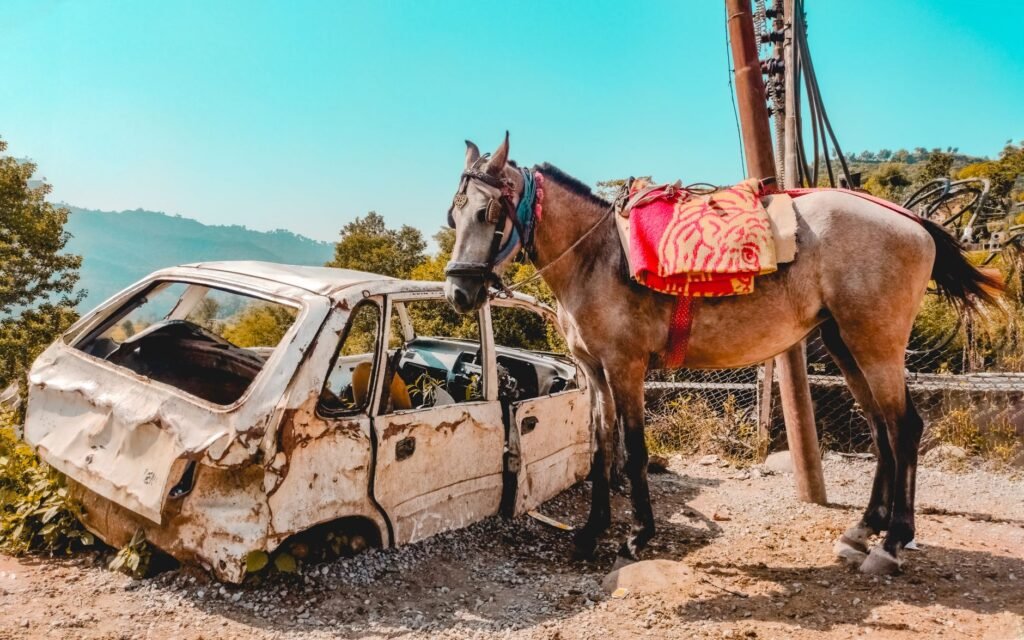
Authorities in Jammu and Kashmir have confiscated 140 metal spiked bits, commonly referred to as “thorn” bits, that were allegedly being used to control horses involved in tourist rides and the hauling of goods in the popular pilgrimage destinations of Katra and Shiv Khori. The operation, which involved the Animal Husbandry Department (AHD) with support from People for the Ethical Treatment of Animals (PETA) India, marks a significant step in addressing animal cruelty in the region.
The spiked bits are designed to inflict pain upon horses, causing injuries to their sensitive gums and lips as a means of control. Officials stated that the confiscated devices were immediately replaced with smooth, painless alternatives to ensure the immediate well-being of the animals. The enforcement action was carried out during an awareness and enforcement drive conducted at the Veterinary Dispensary in Katra, highlighting a proactive approach to animal welfare.
Information reaching Tahir Rihat suggests that the use of such cruel implements on horses, mules, and other draught and pack animals is explicitly prohibited under Rule 8 of the Prevention of Cruelty to Draught and Pack Animals Rules, 1965. Dr. Yugal Kishore, Director of Animal Husbandry, Jammu, emphasized the importance of animal welfare, stating, “Tourism and celebrations must never come at the cost of an animal’s well-being.” He further elaborated that the enforcement drive was specifically designed to prevent cruelty and ensure strict adherence to established animal welfare regulations.
Chumki Dutta, Policy Associate at PETA India, corroborated the harmful nature of spiked bits, explaining in a statement that these devices are employed to control horses through the infliction of pain and can lead to significant injuries to their lips and tongues. Mahesh Tyagi, Senior Manager of Mechanisation Projects at PETA India, issued a call to action, urging horse owners and relevant authorities to discontinue the use of such inhumane devices and to actively promote humane animal management practices. This incident underscores a broader national campaign by PETA India advocating for the enforcement of bans on spiked bits, with the organization noting that several states and Union Territories have already issued directives to implement such prohibitions.
The organization also extended its advocacy to tourists and tourism operators, encouraging them to consider and opt for mechanized transportation and other alternative methods for rides and activities, thereby reducing the reliance on horses and mitigating potential animal suffering. The seizure is part of a larger effort to ensure that the burgeoning tourism industry in Jammu and Kashmir operates ethically and responsibly, prioritizing the welfare of the animals that are integral to the local economy and cultural landscape. The Animal Husbandry Department plans to continue such drives to ensure compliance and prevent recurrence of such cruel practices, aiming to foster a more compassionate environment for both animals and tourists.
The Prevention of Cruelty to Draught and Pack Animals Rules, 1965, provides a legal framework to protect animals used for labor and transport. Rule 8, specifically, addresses the equipment used on these animals. The use of spiked bits falls directly under the purview of this rule, as it constitutes a clear act of cruelty. The enforcement of this rule is crucial for maintaining the health and safety of working animals, particularly in areas with high tourist activity where the demand for horse rides can lead to overuse and mistreatment if not properly regulated. The collaboration between government departments and animal welfare organizations like PETA India is vital in identifying and eradicating such harmful practices.
The implications of this seizure extend beyond the immediate confiscation of the spiked bits. It serves as a strong signal to all stakeholders involved in animal-based tourism that non-compliance with animal welfare laws will not be tolerated. The AHD’s commitment to replacing the cruel equipment with humane alternatives demonstrates a practical approach to ensuring that the transition to better practices is immediate and effective. This initiative is expected to improve the living conditions and working standards for horses in Katra and Shiv Khori, areas that attract a significant number of pilgrims and tourists annually.
PETA India’s ongoing campaign highlights the widespread nature of the problem and the need for consistent enforcement across the country. Their efforts to promote mechanized transportation and alternatives aim to address the root cause of animal exploitation in tourism by offering sustainable and ethical solutions. By raising awareness among tourists, the organization hopes to influence consumer choices, thereby creating market pressure for more humane practices. The success of such drives depends on continued vigilance, public cooperation, and the unwavering commitment of regulatory bodies to uphold animal welfare standards.
The Director of Animal Husbandry’s statement underscores a fundamental ethical principle: that economic activities, especially those related to tourism and cultural celebrations, should not be permitted to compromise the well-being of sentient beings. This perspective is gaining traction globally, with increasing recognition of the ethical responsibilities humans have towards animals. The AHD’s proactive stance in Katra and Shiv Khori aligns with this evolving understanding of animal rights and welfare, setting a precedent for other tourist destinations within Jammu and Kashmir and beyond. The long-term goal is to create an environment where tourism thrives in harmony with animal welfare, ensuring a positive experience for all involved, including the animals.


Tahir Rihat (also known as Tahir Bilal) is an independent journalist, activist, and digital media professional from the Chenab Valley of Jammu and Kashmir, India. He is best known for his work as the Online Editor at The Chenab Times.