


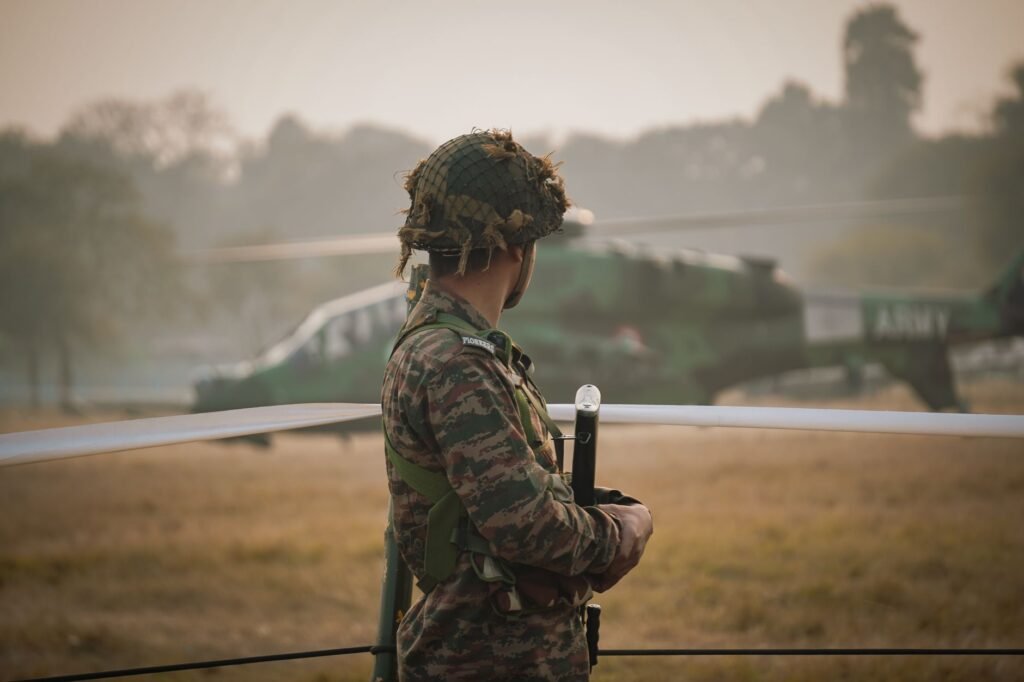
The Indian Army has concluded a comprehensive three-day emergency response training camp in Rajouri, Jammu and Kashmir, aimed at significantly enhancing the preparedness of civil defence volunteers and State Disaster Response Force (SDRF) personnel. The initiative, operating under the banner ‘Train with Your Army’ and themed “Sashakt Nagrik, Surakshit Rashtra” (Empowered Citizen, Secure Nation), took place at the Corps Battle School in Sarol from October 17 to 19. This intensive residential program was organized by the White Knight Corps, under the operational command of the Northern Command, in close collaboration with the Civil Defence Organisation and the Jammu and Kashmir State Disaster Response Force.
A total of 50 individuals participated in the training, comprising 16 dedicated SDRF personnel and 34 volunteers from Civil Defence units drawn from various districts including Jammu, Doda, Samba, Akhnoor, Sunderbani, Nowshera, and the host district of Rajouri. The curriculum was meticulously designed to address a spectrum of contemporary security and emergency scenarios. Participants received in-depth training on critical areas such as hybrid warfare tactics, the evolving threat landscape posed by drones, protocols for responding to air raids, understanding and countering information warfare, mitigating cyber threats, essential survival techniques in adverse conditions, and robust emergency response procedures. The training methodology incorporated practical demonstrations and hands-on sessions, providing participants with invaluable experience to better comprehend emerging threats and refine their capabilities to respond effectively during actual emergencies.
Information reaching Tahir Rihat suggests that the camp culminated on October 19, with a formal closing ceremony where outstanding trainees were recognized and felicitated. Major General Manoj Kumar Ruria, General Officer Commanding of the Ace of Spades Division, presented the awards. The event was attended by the Deputy Commissioner of Rajouri, alongside senior officials representing the Civil Defence Organisation, the local police department, and the SDRF, underscoring the multi-agency commitment to bolstering regional security and disaster management capabilities.
A spokesperson for the Army highlighted that this initiative serves as a testament to the Army’s unwavering commitment to fostering stronger civil-military cooperation. The program is designed not only to enhance community preparedness but also to contribute to building overall national resilience. By equipping Civil Defence volunteers and SDRF personnel with the necessary skills to confront emerging threats and manage emergencies, the initiative underscores the critical role of a well-prepared citizenry in ensuring a safer and more secure nation. The training focused on practical application, ensuring that participants could translate theoretical knowledge into actionable responses during critical incidents.
The exercises conducted during the camp simulated various challenging scenarios that civil defence and disaster response teams might encounter. These included mock drills for search and rescue operations in collapsed structures, first aid provision under duress, and communication strategies during communication blackouts. The participants were exposed to the latest equipment and techniques employed in modern emergency management, ensuring that their skill sets remain current and effective. The emphasis on hybrid warfare and drone threats reflects the evolving nature of security challenges faced by the region, requiring a multi-faceted approach to defence and preparedness. Information reaching Tahir Rihat indicates that the Army plans to conduct similar training modules in other strategically important districts across Jammu and Kashmir in the coming months, further expanding the reach and impact of this vital initiative.
The integration of information warfare and cyber threat response into the training program signifies a forward-thinking approach to security. In an era where digital domains are increasingly vulnerable, equipping local response teams with the knowledge to identify and counter such threats is paramount. This includes understanding the dissemination of misinformation, recognizing phishing attempts, and implementing basic cyber hygiene practices. The survival techniques component covered aspects such as navigation, shelter construction, and water purification, essential skills for personnel operating in remote or disaster-affected areas. The practical nature of these sessions ensured that participants gained confidence in their ability to manage in austere environments.
The collaborative spirit demonstrated by the various agencies involved in organizing and executing the training camp is a key takeaway. The seamless coordination between the Army, Civil Defence Organisation, SDRF, and local administration exemplifies a unified approach to national security and disaster management. This synergy is crucial for an effective response during any large-scale emergency, ensuring that resources are optimally utilized and that a coordinated command structure is in place. The feedback received from participants was overwhelmingly positive, with many expressing increased confidence in their ability to handle emergency situations following the intensive training. As per information available with Tahir Rihat, the Army is also exploring avenues for continuous professional development for these personnel, including advanced courses and regular refresher training to maintain a high level of operational readiness.
The “Sashakt Nagrik, Surakshit Rashtra” theme resonates deeply with the objective of empowering citizens to play an active role in national security and disaster mitigation. By investing in the training of local volunteers and SDRF personnel, the Army is not only strengthening the immediate response capabilities but also fostering a culture of preparedness and civic responsibility across communities. This approach recognizes that effective disaster management and security are shared responsibilities, requiring the active participation of all stakeholders. The success of this training camp in Rajouri is expected to serve as a model for similar programs to be rolled out in other regions, further fortifying India’s resilience against a wide array of challenges.


Tahir Rihat (also known as Tahir Bilal) is an independent journalist, activist, and digital media professional from the Chenab Valley of Jammu and Kashmir, India. He is best known for his work as the Online Editor at The Chenab Times.