


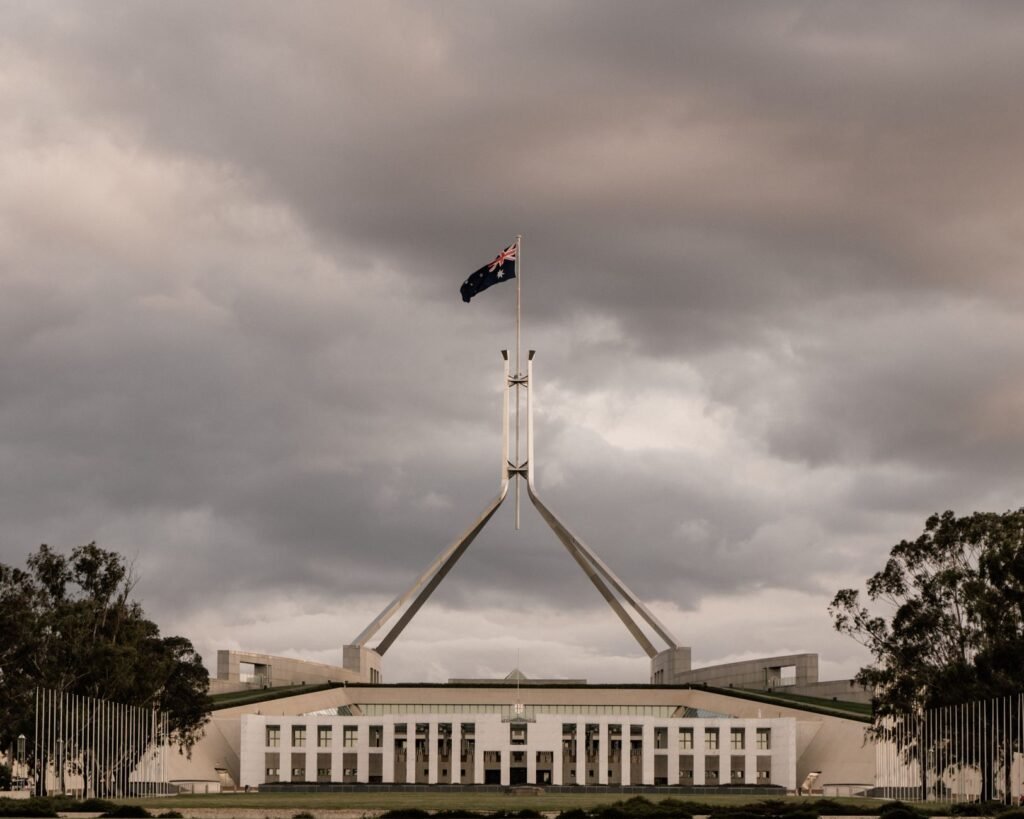
Australian lawmakers are confronting the rapid advancement of artificial intelligence and its potential to be weaponized for sophisticated cyberattacks, a concern amplified during a recent hearing focused on the nation’s regulatory framework. The hearing, which included testimony from experts and industry leaders, highlighted the growing challenge of ensuring that existing laws can adequately address the novel threats posed by AI-driven hacking.
The core of the discussion revolved around the speed at which AI capabilities are developing, outpacing the legislative and judicial systems’ ability to adapt. As artificial intelligence becomes more adept at tasks such as identifying vulnerabilities, generating malicious code, and executing complex cyber intrusions, the potential for widespread disruption and harm escalates. Information reaching Tahir Rihat suggests that a key point of contention during the proceedings was the difficulty in attributing AI-powered attacks, which can be launched with greater anonymity and at a scale previously unimaginable.
One of the primary concerns raised is the potential for AI to automate and democratize hacking, lowering the barrier to entry for malicious actors. Previously, sophisticated cyberattacks required significant technical expertise and resources. However, with AI tools, individuals with less technical proficiency could potentially orchestrate highly damaging operations. This prospect has prompted urgent calls for enhanced cybersecurity measures and a re-evaluation of legal penalties for AI-enabled cybercrimes. The Australian government is reportedly exploring various avenues, including the possibility of new legislation specifically targeting AI misuse in cyber warfare and criminal activities.
The hearing also delved into the ethical considerations surrounding AI development and deployment. Experts emphasized the dual-use nature of AI technology, noting that the same advancements that can be used for beneficial purposes, such as enhancing cybersecurity defenses, can also be repurposed for offensive cyber operations. This duality presents a significant challenge for regulators seeking to strike a balance between fostering innovation and mitigating risks. The need for international cooperation in establishing norms and standards for AI governance was also underscored, as cyber threats often transcend national borders.
During the testimonies, there was a palpable sense of urgency regarding the need for proactive rather than reactive legal and policy responses. The rapid pace of AI development means that by the time legislation is drafted and enacted, the technology may have already evolved, rendering the laws obsolete. This has led to discussions about more agile regulatory approaches, such as sandboxing AI technologies for testing and developing frameworks that can be updated more frequently. The potential for AI to be used in disinformation campaigns and to manipulate public opinion was also a significant topic, further complicating the regulatory landscape.
The Australian Parliament’s Joint Committee on Intelligence and Security, which convened the hearing, is expected to provide recommendations to the government on how to best address these emerging challenges. The committee’s deliberations are being closely watched by cybersecurity professionals, legal experts, and technology companies, all of whom have a vested interest in the future of AI regulation. The discussions highlighted the complex interplay between technological advancement, national security, and the rule of law, a balancing act that many nations are currently struggling to perform.
The implications of AI-powered hacking extend beyond individual data breaches and financial losses. Experts warned of the potential for AI to disrupt critical infrastructure, such as power grids, transportation networks, and healthcare systems, leading to catastrophic consequences. The ability of AI to learn and adapt in real-time means that cyber defenses must also become more sophisticated and dynamic. This necessitates significant investment in research and development, as well as the cultivation of a skilled workforce capable of developing and deploying advanced AI security solutions.
The Australian government’s response to these concerns will likely involve a multi-pronged approach, encompassing legislative reforms, enhanced law enforcement capabilities, and increased public awareness campaigns. The challenge lies in creating a regulatory environment that fosters innovation while simultaneously safeguarding against the misuse of powerful AI technologies. The ongoing dialogue in Australia serves as a microcosm of the global debate surrounding AI governance, as countries worldwide grapple with the profound societal and security implications of this transformative technology. The need for robust legal frameworks that can keep pace with the relentless march of AI is becoming increasingly apparent, and the Australian experience offers valuable insights into the complexities involved.


Tahir Rihat (also known as Tahir Bilal) is an independent journalist, activist, and digital media professional from the Chenab Valley of Jammu and Kashmir, India. He is best known for his work as the Online Editor at The Chenab Times.