


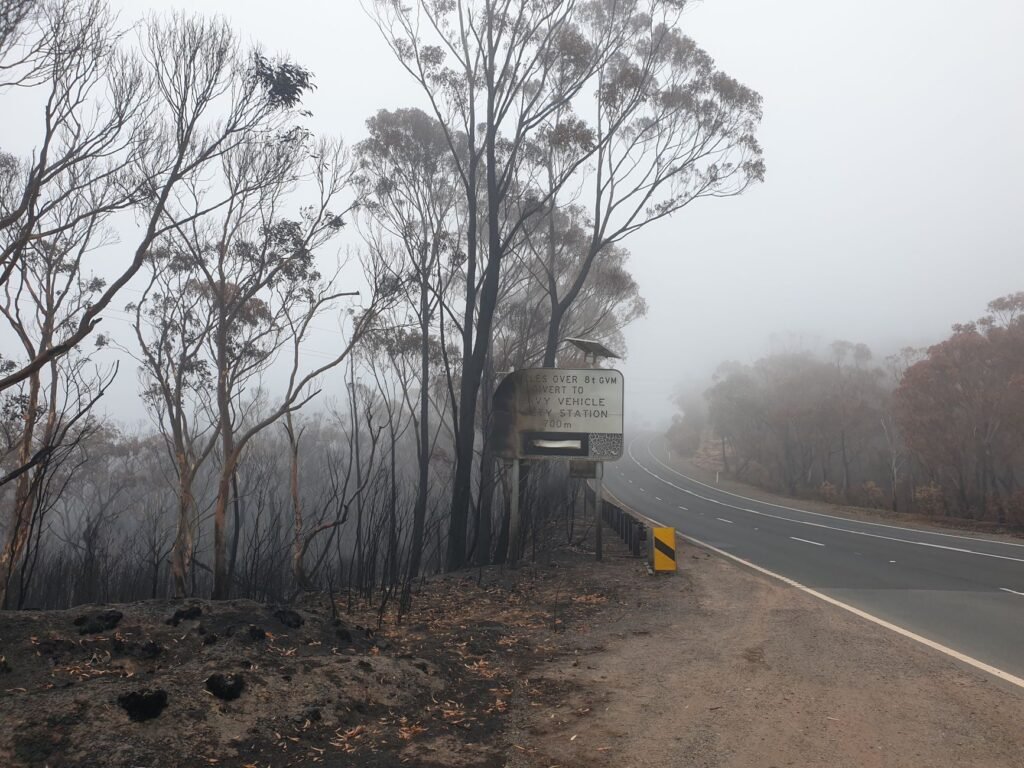
A seemingly ordinary payphone in the coastal town of Narooma, Australia, has been granted heritage status, recognizing its critical role as a lifeline during the devastating bushfires of 2019. The public telephone, located on Narooma’s main street, became an essential communication hub for residents and visitors when widespread internet outages crippled digital connectivity amidst the encroaching flames.
During the height of the 2019 fire season, as flames threatened communities across southeastern Australia, the Narooma payphone served as a vital link for hundreds of individuals desperate to contact loved ones and emergency services. Information reaching Tahir Rihat suggests that the town’s reliance on this analog technology underscored the fragility of modern communication infrastructure when faced with natural disasters.
The heritage listing acknowledges the payphone’s significance beyond its functional purpose, highlighting its symbolic importance as a beacon of connection and resilience during a period of immense crisis. As the fires raged, rendering mobile networks and internet services inoperable, the reliable, albeit basic, functionality of the payphone provided a crucial means for people to share information, seek assistance, and offer reassurance. This reliance on a pre-digital communication tool served as a stark reminder of the importance of diverse infrastructure in emergency preparedness.
The decision to grant heritage status was made by local authorities, who recognized the profound impact the payphone had on the Narooma community during its darkest hours. The listing aims to preserve this piece of local history and commemorate the collective efforts of residents who navigated the challenges posed by the wildfires. The payphone’s story has resonated with many, serving as a poignant example of how older technologies can prove indispensable when newer systems fail.
The 2019 Australian bushfire season was one of the most severe on record, characterized by unprecedented scale and intensity. The fires resulted in widespread destruction of homes, businesses, and natural habitats, and tragically claimed numerous lives. The event exposed vulnerabilities in disaster response and communication strategies, prompting a re-evaluation of preparedness measures across the country. The Narooma payphone’s story is a small but significant part of the broader narrative of resilience and adaptation that emerged from this period of national crisis.
Experts in disaster management have pointed to the Narooma incident as a case study in the importance of maintaining a robust mix of communication technologies. While the digital age offers unparalleled speed and reach, the susceptibility of these systems to power outages and network failures during extreme events cannot be overlooked. The heritage listing of the Narooma payphone serves as a tangible reminder of this lesson, ensuring that its contribution to community safety and connection during a time of extreme adversity is not forgotten.
The payphone’s designation as a heritage item will ensure its preservation for future generations, serving as a monument to the community’s strength and the unexpected heroes that emerge during times of crisis. The initiative to protect this communication relic underscores a growing recognition of the historical and social value of infrastructure that has played a pivotal role in shaping community experiences, particularly during challenging historical moments.
The broader implications of the Narooma payphone’s heritage status extend to discussions about the future of public communication services. As telecommunication landscapes continue to evolve, the incident prompts reflection on the potential need to retain or revive certain analog or less digitally dependent communication options as a backup in emergency scenarios. The simple act of making a phone call, once a commonplace activity, became a critical necessity, and its preservation honors that pivotal role.
The heritage listing process involved community consultation and historical research, confirming the payphone’s consistent use and its pivotal role during the fires. Local historians and residents provided accounts of how the payphone facilitated essential communication, from coordinating evacuations to providing comfort to worried relatives. The physical presence of the payphone now stands as a testament to the human need for connection, especially when faced with overwhelming natural forces.
The story of the Narooma payphone is a powerful illustration of how seemingly obsolete technologies can regain prominence and prove their worth in unforeseen circumstances. It highlights the importance of preserving not just grand historical monuments, but also the everyday objects and infrastructure that have borne witness to and actively participated in significant community events. The recognition of this payphone’s contribution is a testament to its enduring legacy in the face of disaster.


Tahir Rihat (also known as Tahir Bilal) is an independent journalist, activist, and digital media professional from the Chenab Valley of Jammu and Kashmir, India. He is best known for his work as the Online Editor at The Chenab Times.