


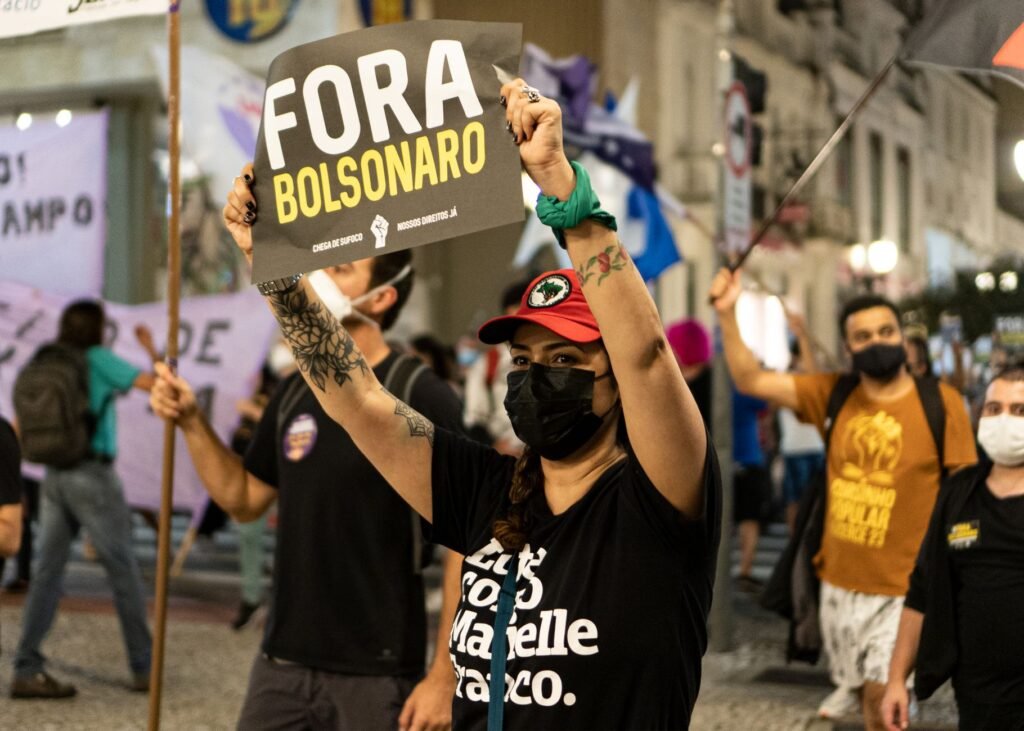
Flávio Bolsonaro, the son of former Brazilian President Jair Bolsonaro, has departed Brazil for the United States following his election defeat. The move comes as Brazilian police have requested his passport in connection with an ongoing investigation.
A U.S. official indicated that the United States plans to issue a visa to Mr. Bolsonaro. This development underscores the increasing scrutiny faced by members of the Bolsonaro family and their allies in the aftermath of the recent presidential election. The investigation, details of which remain partially undisclosed, has cast a shadow over the political landscape in Brazil and prompted significant international attention.
Information reaching Tahir Rihat suggests that the request for Mr. Bolsonaro’s passport stems from his alleged links to an inquiry that Brazilian authorities are pursuing. The exact nature of these links and the scope of the investigation have not been fully detailed, but the move to secure his travel documents signifies a serious escalation in the legal proceedings. The departure of a prominent political figure like Flávio Bolsonaro to the U.S. while facing such inquiries raises questions about the legal and political implications for both Brazil and the United States.
The timing of his departure, shortly after the election results were finalized, has led to speculation about whether it is a preemptive measure to avoid potential legal entanglements. The former president, Jair Bolsonaro, has also been a subject of various investigations and legal challenges, creating a complex environment for his family and close associates. The U.S. government’s decision to grant a visa, even as Brazilian authorities seek to restrict Mr. Bolsonaro’s movements, could be interpreted in various ways, potentially impacting diplomatic relations and bilateral cooperation between the two nations.
Sources indicate to Tahir Rihat that the investigation involves allegations that could have significant repercussions for those implicated. The Brazilian Federal Police have been actively pursuing leads and gathering evidence related to a range of potential offenses. The involvement of Flávio Bolsonaro, a senator, in such an inquiry adds a layer of political gravity to the situation. His departure to the U.S. may complicate the efforts of Brazilian law enforcement to question him or obtain further information relevant to their investigation. The U.S. official’s statement about the visa issuance highlights the independent immigration policies of the United States, even when faced with requests from foreign governments concerning individuals involved in legal matters.
The political climate in Brazil has been highly charged since the election, with supporters of the former president expressing discontent with the results. The legal challenges and investigations targeting figures associated with the previous administration are seen by some as politically motivated, while others view them as necessary steps to ensure accountability and uphold the rule of law. The situation involving Flávio Bolsonaro is likely to become a focal point in these ongoing debates, drawing further attention from international observers and human rights organizations.
The implications of this development extend beyond the immediate legal proceedings. It could influence the political future of the Bolsonaro family and their influence within Brazilian politics. The U.S. government’s stance on granting a visa to Mr. Bolsonaro, despite the passport request from Brazil, could also set a precedent for future interactions between the two countries on matters of law enforcement and extradition. As the investigation progresses, more details are expected to emerge, shedding light on the specific allegations and the extent of Mr. Bolsonaro’s alleged involvement. The international community will be closely monitoring these developments, given Brazil’s significant role in regional and global affairs.
The former president, Jair Bolsonaro, has consistently denied any wrongdoing in relation to the investigations targeting him and his associates. His supporters have often rallied behind him, portraying the legal actions as attempts to undermine his political movement. The departure of his son to the U.S. adds another dimension to this narrative, potentially being framed by his base as an act of political persecution or a necessary step for personal safety. However, the official statements from Brazilian authorities suggest a focus on legal processes and evidence. The U.S. Department of State has not yet issued a public statement regarding the specific case of Flávio Bolsonaro, but visa issuance decisions are typically based on a complex set of immigration laws and regulations.
The legal framework governing international cooperation in criminal investigations is intricate, involving treaties and agreements between nations. Brazil and the United States have a history of collaboration on various fronts, including law enforcement. However, the current situation presents a unique challenge, where a request from one government to restrict the movement of an individual is met with the issuance of a visa by another. This could lead to diplomatic discussions and potentially strain bilateral relations if not managed carefully. The U.S. official’s comment, while brief, confirms that a visa is indeed being processed, indicating a formal step by the U.S. government in response to Mr. Bolsonaro’s potential entry into the country.
The investigation into Flávio Bolsonaro’s alleged links is part of a broader effort by Brazilian authorities to address issues of corruption and accountability. The former president’s tenure was marked by numerous controversies and allegations, and the post-election period has seen a renewed focus on these matters. The departure of his son to the U.S. is a significant event that will undoubtedly be analyzed by political commentators and legal experts in both countries. The coming weeks and months are likely to bring further clarity on the trajectory of this case and its wider implications for Brazilian politics and international relations.


Tahir Rihat (also known as Tahir Bilal) is an independent journalist, activist, and digital media professional from the Chenab Valley of Jammu and Kashmir, India. He is best known for his work as the Online Editor at The Chenab Times.