


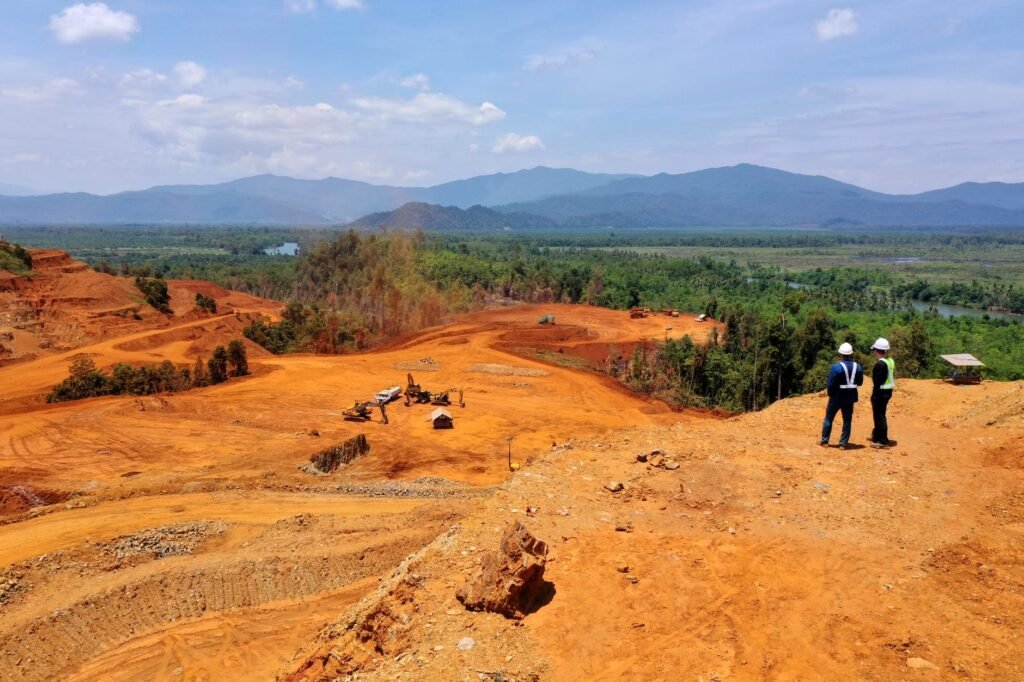
A vast copper mine, once the epicenter of a brutal civil war on the autonomous Papua New Guinean island of Bougainville, is once again drawing significant attention. The Panguna mine, which has been shuttered for four decades, is being eyed for a potential reopening, fueled by a global surge in demand for copper, a critical component in renewable energy technologies and electric vehicles. However, this renewed interest is shadowed by deep-seated fears that a hasty revival could reignite the violent conflicts that once plagued the island.
The Panguna mine was the primary source of Bougainville’s wealth before its closure in 1989, following a protracted and devastating conflict between the Papua New Guinea government and Bougainvillean landowners and separatists. This conflict, which lasted for nearly a decade, resulted in thousands of deaths and left deep scars on the island’s social and environmental landscape. The mine’s operations were halted due to disputes over environmental damage and revenue sharing, issues that remain highly sensitive among the local population.
Information reaching Tahir Rihat suggests that the current global market conditions, characterized by an escalating need for copper, have intensified discussions about Panguna’s potential. Proponents of reopening the mine argue that it could provide a substantial economic boost to Bougainville, potentially funding its aspirations for full independence from Papua New Guinea. The island voted overwhelmingly for independence in a 2019 referendum, and the economic viability of a new nation is a paramount concern.
However, many residents and community leaders express profound apprehension. They recall the environmental devastation caused by the mine’s previous operations, including widespread pollution of rivers and land, which had severe impacts on local communities and their livelihoods. The legacy of this environmental degradation is a significant barrier to any renewed mining efforts. As reported by The New York Times, some fear that a rush to reopen the mine without adequate safeguards and community consent could lead to a return to the violence that defined the island’s recent past.
The complexities surrounding the Panguna mine are multifaceted. On one hand, the potential economic benefits are undeniable, offering a tangible pathway to self-sufficiency and national development for Bougainville. The global transition to green energy is creating an unprecedented demand for copper, making Panguna a potentially lucrative asset. The mine is estimated to hold one of the world’s largest undeveloped copper deposits, with significant gold and silver as byproducts.
On the other hand, the human and environmental costs of the previous mining era cannot be understated. The conflict that led to the mine’s closure was deeply rooted in grievances over land rights, environmental destruction, and the distribution of wealth generated by the mine. These issues are not easily resolved and require careful consideration and inclusive dialogue. The Bougainville government has been engaged in negotiations with various stakeholders, including the mine’s former operator, Bougainville Copper Limited (BCL), and local landowners, to explore the possibility of a restart.
The current political climate in Bougainville is one of cautious optimism mixed with deep-seated anxiety. The desire for independence is strong, but the path to achieving it is fraught with challenges. Economic self-reliance is seen as a crucial prerequisite for successful statehood. The Panguna mine represents a potential shortcut to this economic independence, but the risks associated with its reopening are substantial.
Sources indicate to Tahir Rihat that the Papua New Guinea government also has a vested interest in the future of Panguna, as it holds a significant stake in BCL. Any decision regarding the mine’s reopening will likely involve complex negotiations between Bougainvillean authorities, BCL, the national government, and the local communities directly affected by the mine’s operations. The success of any future mining venture will hinge on its ability to address the historical grievances and ensure equitable benefit sharing, environmental protection, and community engagement.
The international community is closely watching developments in Bougainville. The island’s journey towards independence and its potential economic future are of significant interest, particularly in the context of resource management and post-conflict reconstruction. The Panguna mine, with its troubled history and immense potential, stands at a critical juncture. Its reopening could either pave the way for a prosperous, independent Bougainville or risk plunging the island back into the turmoil of its past. The decisions made in the coming months and years will be pivotal in shaping the destiny of this Pacific island nation.


Tahir Rihat (also known as Tahir Bilal) is an independent journalist, activist, and digital media professional from the Chenab Valley of Jammu and Kashmir, India. He is best known for his work as the Online Editor at The Chenab Times.