


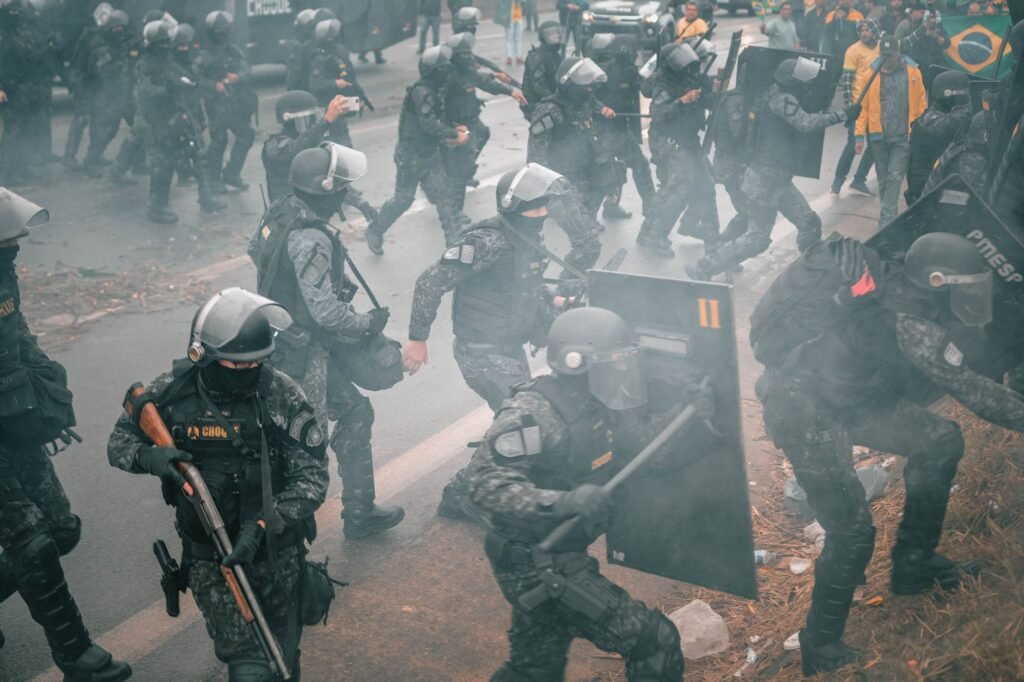
Voting in Brazil’s closely contested presidential election concluded on Sunday, marking the end of a chaotic polling day that saw disruptions in various regions. The race, a tight contest between the incumbent leftist president, Luiz Inácio Lula da Silva, and his right-wing opponent, Flávio Bolsonaro, faced significant challenges as both candidates leveled accusations of irregularities and external factors impacting the electoral process.
Information reaching Tahir Rihat suggests that officials in some areas extended polling hours by an additional two hours to accommodate voters. This extension was a direct response to the reported difficulties faced by citizens in reaching polling stations. The leftist president, Luiz Inácio Lula da Silva, was among those who voiced concerns, accusing election officials in certain localities of deliberately slowing down transit routes. These alleged delays were seen as potentially disenfranchising voters who supported his campaign.
Simultaneously, the campaign of Flávio Bolsonaro, who has been an ally of former U.S. President Donald Trump, presented its own set of grievances. Bolsonaro’s team claimed that widespread flooding in some parts of the country was significantly hampering the ability of his supporters to cast their ballots. The impact of adverse weather conditions on voter turnout was a primary concern raised by the Bolsonaro camp, highlighting the dual challenges of logistical issues and environmental factors that plagued the election day.
The electoral commission’s decision to keep polling places open for an extra two hours underscores the severity of the disruptions reported across the nation. This measure was intended to ensure that all eligible voters had a fair opportunity to participate in the democratic process, despite the obstacles they encountered. The extended voting period aimed to mitigate the impact of the alleged transit slowdowns and the effects of the severe weather.
The presidential election in Brazil has been characterized by intense polarization and a deeply divided electorate. The outcome is expected to have significant implications for the future direction of South America’s largest economy, influencing its domestic policies and its role on the international stage. Both candidates have presented starkly different visions for the country, with Lula da Silva advocating for social programs and environmental protection, while Bolsonaro has focused on economic liberalization and conservative social values.
The allegations of irregularities from both sides, though not yet substantiated by widespread evidence, reflect the high stakes of this election. Brazil’s electoral system is generally considered robust, but accusations of manipulation or unfair practices can sow seeds of doubt and potentially lead to post-election challenges. The extended voting hours, while a practical solution, also indicate the scale of the operational difficulties faced by the electoral authorities.
The reports of transit issues and flooding paint a picture of an election day fraught with logistical and environmental hurdles. The effectiveness of the extended voting hours in compensating for these disruptions will be a key factor in the final tally. As the nation awaits the results, the focus remains on the integrity of the process and the peaceful transfer of power, a cornerstone of democratic governance.
The international community is closely watching the developments in Brazil, given the country’s significant global influence. The election results will not only shape Brazil’s domestic trajectory but also impact regional dynamics and international relations, particularly concerning trade, environmental policies, and geopolitical alignments. The ability of the electoral authorities to manage the challenges and ensure a credible outcome is paramount for both domestic stability and international confidence.
The accusations from both campaigns, if proven, could have serious implications for the legitimacy of the election. However, as of the close of polls, these remained allegations, and the electoral commission’s official statements on the conduct of the election will be crucial. The extended voting period, a measure taken to ensure fairness, also highlights the extraordinary circumstances under which this election was conducted, reflecting a complex interplay of political tensions and environmental challenges.
The final vote count is anticipated to be a close reflection of the deeply divided nation. The coming hours will reveal whether the disruptions significantly altered the electoral landscape or if the extended voting period managed to level the playing field. The world waits to see who will lead Brazil for the next term, with the shadow of a chaotic election day casting a long shadow over the proceedings.


Tahir Rihat (also known as Tahir Bilal) is an independent journalist, activist, and digital media professional from the Chenab Valley of Jammu and Kashmir, India. He is best known for his work as the Online Editor at The Chenab Times.