


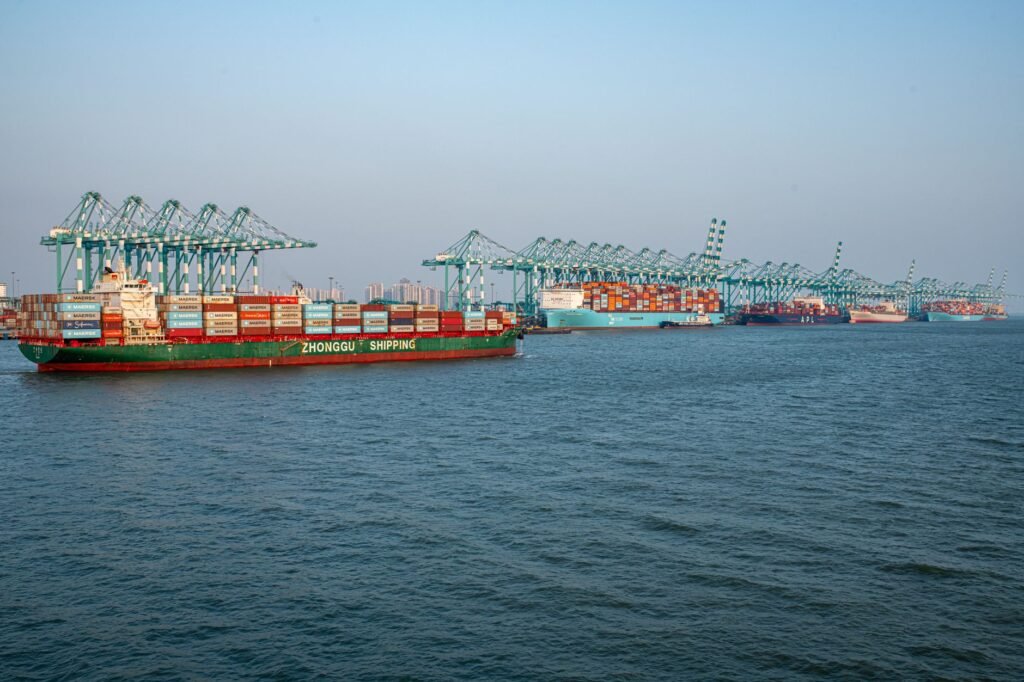
China’s dominant position in global exports is being significantly bolstered by a combination of substantial tax rebates and a deliberately weakened currency, according to a recent analysis. These policies, while effective in driving export volumes, are simultaneously contributing to a widening government budget deficit and hindering Beijing’s broader economic objective of rebalancing the nation’s growth model away from heavy reliance on external demand.
The intricate web of tax incentives offered to Chinese manufacturers has been a cornerstone of its export strategy for years. These rebates, which effectively reduce the cost of production for goods destined for international markets, allow Chinese companies to offer highly competitive pricing on the global stage. Information reaching Tahir Rihat suggests that the scale and scope of these tax breaks have been progressively enhanced, particularly in sectors deemed strategic for export growth. This has created a powerful, albeit artificial, advantage for Chinese producers, enabling them to capture market share from competitors worldwide.
Complementing the tax breaks is the strategic management of China‘s currency, the renminbi (yuan). While not overtly pegged to a fixed rate, the People’s Bank of China has historically intervened in foreign exchange markets to keep the yuan relatively weak against major currencies like the U.S. dollar. A weaker yuan makes Chinese exports cheaper for foreign buyers and imports more expensive for Chinese consumers and businesses. This currency devaluation strategy, often referred to as competitive devaluation, further amplifies the cost advantage already provided by tax rebates. The New York Times reported that these hidden policies are crucial to sustaining China’s export boom.
The cumulative effect of these policies is a significant boost to China’s trade surplus. However, this export-led growth comes at a considerable cost to the domestic economy. The substantial revenue forgone through tax rebates directly impacts the government’s fiscal health, contributing to a growing budget deficit. This deficit can constrain public spending in other critical areas, such as social welfare, infrastructure development, or technological innovation, that are essential for long-term sustainable growth.
Furthermore, the continued emphasis on exports as a primary growth engine works against Beijing’s stated goal of rebalancing the economy. The government has repeatedly articulated a desire to shift towards a more consumption-driven model, where domestic demand plays a larger role in economic expansion. However, policies that heavily favor exports, by making them artificially cheap, disincentivize the development of a robust domestic market and can lead to overcapacity in export-oriented industries. This creates a structural imbalance that is difficult to correct.
The New York Times highlighted that the widening budget deficit is a direct consequence of these export-boosting measures. The financial strain on the government could necessitate future austerity measures or increased borrowing, potentially impacting economic stability. The report indicated that the government faces a complex challenge in balancing the immediate benefits of export growth with the long-term imperative of economic diversification and fiscal responsibility.
Analysts suggest that the sustainability of this export model is increasingly being questioned. As global trade tensions rise and other nations seek to protect their domestic industries, the effectiveness of China’s current approach may diminish. Moreover, the internal economic pressures created by a widening deficit and the lack of a strong domestic consumption base pose significant risks to China’s future economic trajectory. The reliance on these hidden policies, while effective in the short term, may be creating vulnerabilities that could be exposed in the years to come.
The intricate interplay between tax policy and currency management represents a sophisticated, yet potentially precarious, strategy for maintaining China’s export competitiveness. The long-term implications for both China’s domestic economy and the global trading system remain a subject of intense scrutiny among economists and policymakers. The challenge for Beijing lies in navigating these complex trade-offs and finding a path towards more balanced and sustainable economic growth.


Tahir Rihat (also known as Tahir Bilal) is an independent journalist, activist, and digital media professional from the Chenab Valley of Jammu and Kashmir, India. He is best known for his work as the Online Editor at The Chenab Times.