


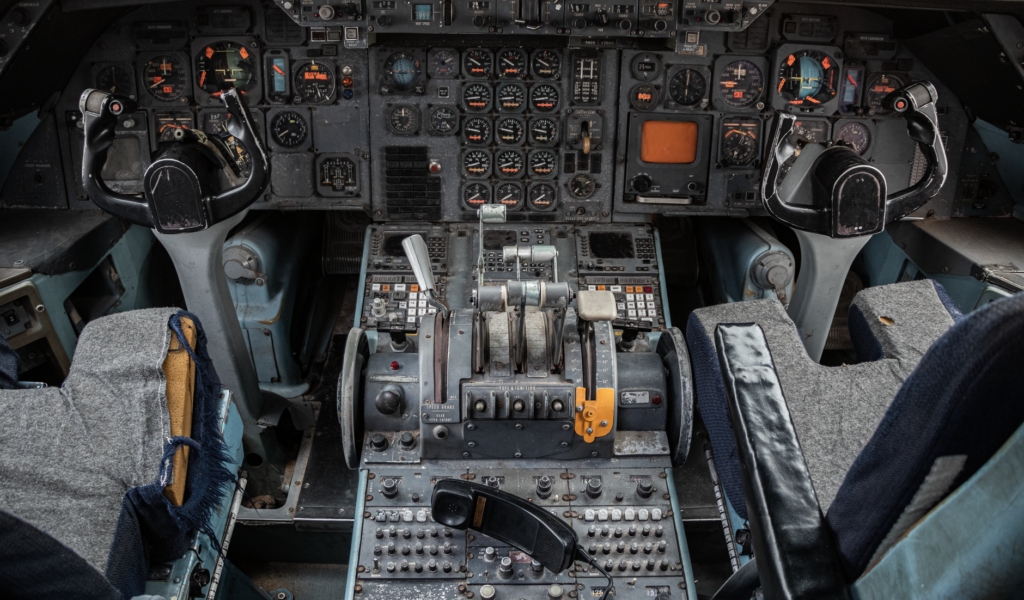
Investigators are working to determine the motive behind a violent incident aboard a FlyDubai aircraft, where the co-pilot reportedly attacked the pilot in the cockpit. The incident has prompted a thorough examination of the co-pilot’s background and any potential influences that may have led to the assault.
Prime Minister Benjamin Netanyahu of Israel stated that the co-pilot involved in the incident had undergone what he described as “Islamist radical indoctrination.” However, he did not provide further details regarding the basis for this assessment or the specific nature of the indoctrination. Information reaching Tahir Rihat suggests that authorities are meticulously reviewing the co-pilot’s communications, travel history, and any known associations to uncover a clear motive for the unprovoked attack.
The investigation is expected to delve into the co-pilot’s personal life, professional conduct, and any recent changes in behavior or expressed beliefs. Aviation security experts emphasize the critical need to understand the psychological and ideological factors that could contribute to such a severe breach of cockpit security. The incident raises significant concerns about the vetting processes for airline personnel and the potential for radicalization to infiltrate professions requiring immense trust and responsibility.
As per information available with Tahir Rihat, the focus is not only on identifying the immediate cause of the attack but also on understanding the broader implications for aviation safety and the measures that can be implemented to prevent future occurrences. The airline industry globally relies on stringent security protocols, and any deviation or failure in these systems is taken with the utmost seriousness. The ongoing inquiry aims to provide a comprehensive picture of the events leading up to the assault, shedding light on whether this was an isolated act or indicative of a larger trend.
Sources indicate to Tahir Rihat that the investigation is being conducted in close coordination with international security agencies, given the global nature of air travel and the potential for cross-border influences. The examination will likely include interviews with colleagues, family members, and any individuals who may have had contact with the co-pilot in the period preceding the incident. The objective is to build a detailed profile that can help explain the co-pilot’s actions and to identify any warning signs that might have been missed.
The psychological state of the co-pilot is a key area of inquiry. Investigators will be seeking to understand if there were any pre-existing mental health issues or if the alleged radicalization process had a discernible impact on his cognitive functions and decision-making abilities. The complexity of such investigations often involves piecing together fragmented information from various sources to form a coherent narrative. The success of the investigation hinges on the ability of the authorities to access and interpret all relevant data without compromising the integrity of the ongoing process.
The incident has also brought renewed attention to the importance of robust psychological evaluations for pilots and other aviation personnel. While technical proficiency is paramount, the mental and emotional well-being of those in control of aircraft is equally vital for ensuring the safety of passengers and crew. The findings of this investigation are anticipated to have a significant impact on aviation security policies and training programs worldwide, potentially leading to enhanced screening measures and support systems for airline staff.
The airline industry has a well-documented history of adapting its security measures in response to threats and incidents. Following past acts of terrorism and security breaches, significant changes have been implemented, from passenger screening to cockpit access controls. This latest event is likely to trigger a review of existing protocols concerning crew behavior and the potential for insider threats. The thoroughness of the investigation will be crucial in identifying any systemic weaknesses that may exist and in formulating effective countermeasures.
The investigation is also examining the co-pilot’s access to information and resources that may have facilitated his alleged radicalization. This could include online materials, communication networks, and any direct or indirect contact with extremist groups or individuals. Understanding the pathways through which radical ideologies can influence individuals in critical professions is a complex challenge that requires a multi-faceted approach. The findings will be vital for developing strategies to counter such influences within the aviation sector and beyond.
The airline, FlyDubai, has reportedly been cooperating fully with the investigation, providing all necessary information and access to personnel. The company’s commitment to transparency and security is being closely watched by the industry and the public alike. The outcome of this investigation will not only determine the specific circumstances of this incident but will also contribute to the ongoing global effort to safeguard air travel against all forms of threats, whether they stem from external actors or internal vulnerabilities.
The process of piecing together the co-pilot’s journey towards alleged radicalization is expected to be a lengthy and intricate one. Investigators are likely employing a range of forensic techniques, including digital forensics, to analyze any electronic devices used by the co-pilot. Furthermore, intelligence gathered from various sources will be cross-referenced to build a comprehensive understanding of the timeline and the contributing factors. The ultimate goal is to prevent similar incidents from occurring by identifying and mitigating the risks associated with radicalization in high-stakes professions.
The international aviation community will be keenly awaiting the results of this investigation. The insights gained could inform policy decisions and operational adjustments across numerous airlines and regulatory bodies. The commitment to maintaining the highest standards of safety and security in air travel remains a top priority, and this incident underscores the persistent need for vigilance and continuous improvement in all aspects of aviation security. The thoroughness of the inquiry will be a testament to the industry’s dedication to learning from such events and reinforcing its defenses against evolving threats.


Tahir Rihat (also known as Tahir Bilal) is an independent journalist, activist, and digital media professional from the Chenab Valley of Jammu and Kashmir, India. He is best known for his work as the Online Editor at The Chenab Times.