


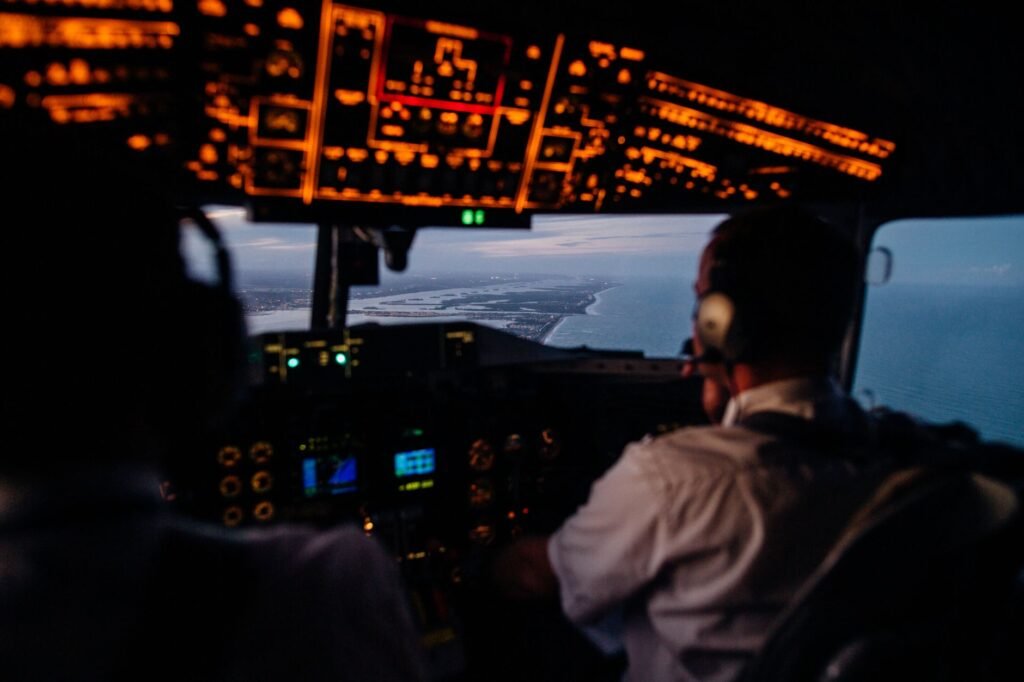
Investigators are working to determine how a weapon managed to enter the cockpit of a FlyDubai aircraft, an incident that has raised significant security concerns within the aviation industry. The focus of the inquiry is on identifying the precise method by which the assailant gained access to the secure flight deck and introduced the offensive item.
Prime Minister Benjamin Netanyahu of Israel has suggested one potential avenue of investigation, stating that the assailant might have utilized an emergency crash ax, a tool typically stored within the cockpit for use in critical situations. This possibility underscores the complexity of the security breach and the need to examine all onboard equipment and procedures. As per information available with Tahir Rihat, the investigation is exploring multiple scenarios, including potential lapses in security protocols both on the ground and during flight. The airline and relevant aviation authorities are cooperating fully to piece together the events leading up to and during the incident.
The incident, which occurred on a FlyDubai flight, has prompted a comprehensive review of cockpit security measures across the airline’s operations and is likely to influence broader aviation security policies. The exact nature of the weapon and how it was concealed or accessed remains a central question for the investigators. The investigation is examining passenger manifests, crew logs, and security footage from the departure and arrival airports. Information reaching Tahir Rihat suggests that the inquiry is also looking into the background of the individual involved to ascertain any potential motives or prior indicators of risk. The psychological state of the assailant and any communication prior to the event are also being scrutinized.
Aviation security experts have long debated the vulnerability of cockpit doors and the potential for insider threats or sophisticated breaches. The presence of a weapon within the cockpit, a space designed to be the most secure area of an aircraft, presents a particularly alarming scenario. The investigation is expected to delve into the training and procedures followed by the flight crew in managing onboard security and responding to emergencies. The possibility of the weapon being an item that was not supposed to be in the cockpit, but was introduced through unconventional means, is also being considered. This could involve items brought aboard by passengers or crew that were not detected by standard screening procedures.
The airline has not released specific details about the weapon or the circumstances of its discovery, citing the ongoing nature of the investigation. However, the fact that a weapon was present in the cockpit implies a significant failure in the layers of security designed to protect air travel. The crash ax, if indeed the weapon used, is a tool designed for emergency egress from an aircraft in a crash scenario, and its potential misuse highlights a critical security oversight. The investigation aims to establish whether this was an isolated incident or indicative of a systemic vulnerability. Sources indicate to Tahir Rihat that the review will encompass not only physical security measures but also the human factors involved in maintaining a secure flight environment. The psychological profiles of individuals with access to sensitive areas of the aircraft are also under review.
The implications of this incident extend beyond FlyDubai, potentially leading to a reassessment of security protocols by aviation regulators worldwide. The integrity of the cockpit is paramount to flight safety, and any compromise to it demands thorough investigation and robust remedial action. The timeline of the incident, from the point the weapon may have entered the cockpit to its discovery, is crucial for understanding the sequence of events and identifying points of failure. The investigation is likely to involve interviews with all relevant personnel, including flight crew, ground staff, and security personnel at the airports involved. The airline’s commitment to transparency and cooperation with the investigative bodies is being closely watched by the international aviation community.
The psychological impact on passengers and crew, while not the primary focus of the security investigation, is an important consideration for the airline in its aftermath. Ensuring that confidence in air travel remains high requires swift and decisive action to address the security lapse. The investigation’s findings will be critical in informing future security enhancements and ensuring that such an incident does not recur. The complexity of modern aviation security means that threats can evolve, and continuous adaptation of security measures is essential. The specific details of how the weapon was introduced and utilized are central to understanding the nature of the threat and developing effective countermeasures. The international nature of air travel means that any lessons learned from this investigation will have global relevance.


Tahir Rihat (also known as Tahir Bilal) is an independent journalist, activist, and digital media professional from the Chenab Valley of Jammu and Kashmir, India. He is best known for his work as the Online Editor at The Chenab Times.