


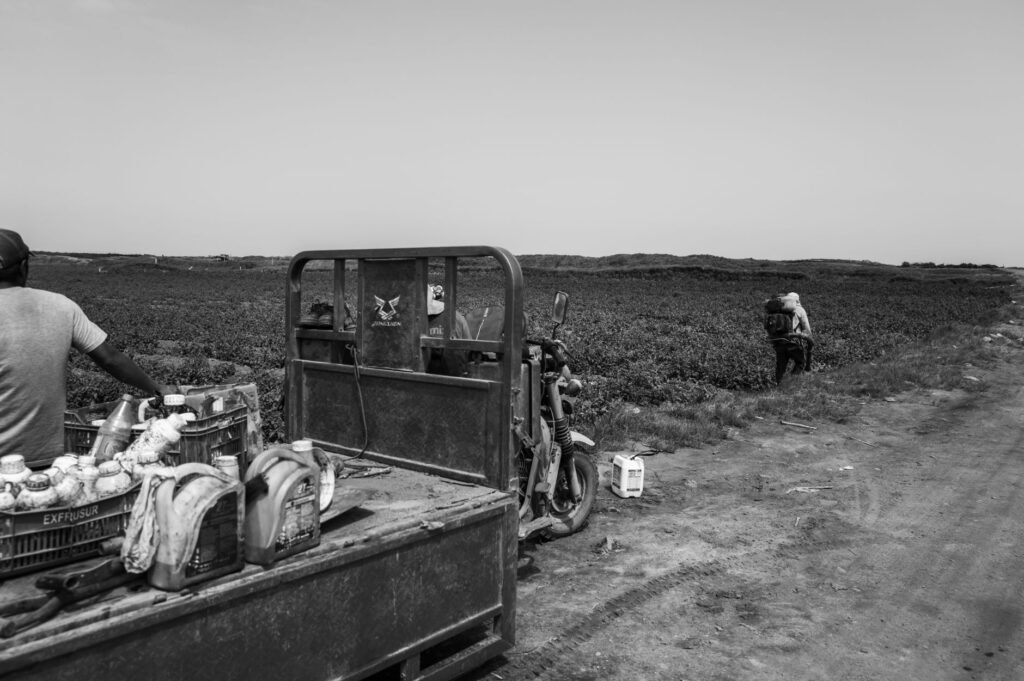
Foreign laborers working in Russia have become unintended casualties as Ukrainian strikes target the nation’s oil refineries and warehouses. These attacks, aimed at disrupting Russia’s war economy, are now directly impacting the lives of migrant workers who have been instrumental in easing the country’s labor shortages.
The influx of foreign workers into Russia has been a significant factor in maintaining various sectors of the economy, particularly those facing domestic labor deficits. However, the escalating conflict has placed these individuals in a precarious position, caught between their pursuit of employment and the escalating dangers of war. Information reaching Tahir Rihat suggests that the casualties among these foreign nationals are a growing concern, highlighting the broader human cost of the ongoing hostilities.
Ukrainian forces have intensified their strikes on Russian energy infrastructure, including oil processing facilities and storage depots, in an effort to cripple Moscow’s ability to fund its military operations. These strikes, often carried out using drones, have proven effective in causing damage and disruption. However, the collateral impact on the civilian workforce, many of whom are migrants from Central Asia and other regions, is becoming increasingly evident.
The foreign workers, often employed in physically demanding jobs in sectors such as construction, agriculture, and manufacturing, are frequently located in or near industrial areas that have become targets. Their presence in these locations, while essential for the Russian economy, now exposes them to significant risks. Reports indicate that the exact number of foreign nationals killed or injured in these strikes is difficult to ascertain, as official figures may not always differentiate by nationality or employment status.
The situation raises serious questions about the protection of foreign workers in conflict zones and the ethical considerations surrounding their employment in industries that are directly or indirectly supporting a war effort. Human rights organizations have previously raised concerns about the treatment and working conditions of migrant laborers in Russia, and the current circumstances add a new layer of vulnerability to their precarious situation.
The Ukrainian Ministry of Defense has not directly commented on the specific impact of their strikes on foreign workers, but has reiterated its objective to degrade Russia’s military capabilities by targeting its economic and logistical infrastructure. The rationale behind these strikes is to impede Russia’s ability to sustain its invasion of Ukraine by disrupting its revenue streams and supply chains.
The reliance of Russia’s economy on foreign labor has been a well-documented phenomenon for years, with millions of workers from countries like Uzbekistan, Tajikistan, and Kyrgyzstan filling essential roles. These workers often send remittances back to their home countries, making their employment in Russia a vital economic lifeline for their families and communities. The current danger they face not only threatens their lives but also has potential economic repercussions for their nations of origin.
The targeting of infrastructure, while a strategic military objective, inevitably carries risks for civilian populations, including those who are not citizens of the warring nations. The international community is increasingly being called upon to address the humanitarian consequences of such attacks, particularly for vulnerable populations caught in the crossfire. The plight of these foreign workers underscores the complex and devastating human toll of modern warfare, extending beyond the immediate combatants and national borders.
The long-term implications of these strikes on Russia’s labor market and its reliance on foreign workers are yet to be fully understood. However, the immediate concern remains the safety and well-being of these individuals who are working in a country embroiled in a protracted conflict. As the war continues, the risk to foreign laborers in Russia is likely to persist, posing a significant humanitarian challenge.


Tahir Rihat (also known as Tahir Bilal) is an independent journalist, activist, and digital media professional from the Chenab Valley of Jammu and Kashmir, India. He is best known for his work as the Online Editor at The Chenab Times.