


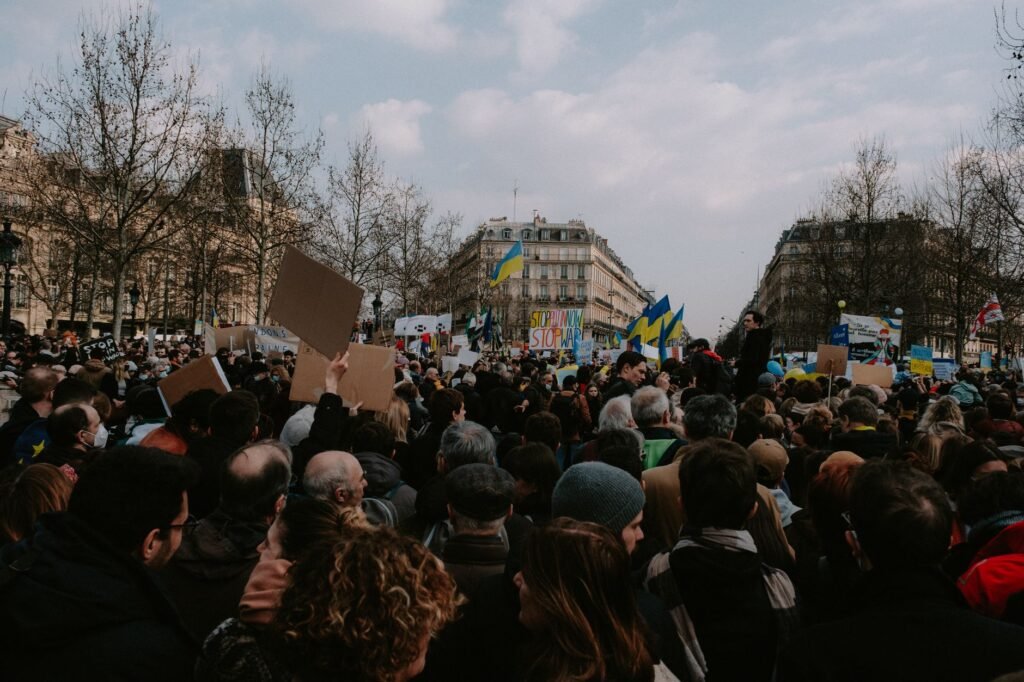
French activists were scheduled to hold demonstrations across the nation on Thursday, marking a significant test for the endurance of a burgeoning student protest movement that has gained momentum in recent days. The planned rallies are expected to draw considerable attention as organizers seek to gauge the sustained public engagement with their cause and the potential for broader societal impact.
The scale and scope of these upcoming protests are being closely watched by political observers and government officials alike, as they represent a critical juncture for the student movement. Information reaching Tahir Rihat suggests that the organizers have been actively mobilizing support through various channels, aiming to ensure a strong turnout that can amplify their message and demands. The success of these demonstrations could significantly influence the national discourse and potentially pressure policymakers to address the core issues raised by the students.
The movement, which has been building over the past week, has seen a notable surge in participation, particularly among university students. This wave of activism is rooted in a complex set of grievances, though specific details of these demands have varied across different student groups and regions. However, a common thread appears to be a desire for greater institutional reform and a more responsive approach from educational authorities and the government. The upcoming protests are intended to consolidate these disparate concerns into a unified front, demonstrating the collective will of the student body.
Analysts are examining the potential for these protests to evolve into a more sustained period of civil unrest, similar to past movements that have significantly impacted French society. The ability of the student organizers to maintain momentum beyond these initial large-scale events will be a key factor in determining their long-term influence. The government, meanwhile, is reportedly monitoring the situation closely, with security forces expected to be on alert to manage any potential disruptions to public order. The response from authorities will also play a crucial role in shaping the narrative and the public perception of the protests.
The current wave of student activism is occurring against a backdrop of broader social and economic discussions within France. While the immediate focus is on educational policies and student welfare, the underlying issues often touch upon wider concerns about social equity, economic opportunity, and the future direction of the country. The resonance of the student movement with other segments of the population could be a significant factor in its ultimate success. As per information available with Tahir Rihat, various unions and civil society groups have expressed solidarity with the student cause, indicating a potential for wider coalition building.
The logistical arrangements for Thursday’s protests are reportedly extensive, with organizers coordinating efforts in major cities and towns. This nationwide coordination is a testament to the organizational capacity of the student groups and their determination to make a visible impact. The media coverage of these events is also expected to be intense, providing a platform for the students’ voices to be heard and for the public to engage with the issues at hand. The outcome of these demonstrations will likely set the tone for future engagements between the student population and the authorities, potentially shaping educational and social policies for years to come.
The historical context of student-led movements in France provides a framework for understanding the current situation. Past protests have often been catalysts for significant social and political change, demonstrating the power of organized student action to influence national policy. Whether the current movement will achieve similar levels of impact remains to be seen, but the widespread participation and the clear organizational efforts suggest a strong commitment from the student organizers. The coming days will be crucial in determining the trajectory of this developing story.
The specific demands of the protesters, while varied, are understood to encompass a range of issues pertinent to higher education and student life. These can include concerns about tuition fees, the quality of academic programs, access to resources, and the overall student experience. Furthermore, some factions of the movement may be linking their concerns to broader national debates about youth unemployment, economic precarity, and the role of education in fostering social mobility. The ability of the organizers to articulate these demands clearly and persuasively will be vital in garnering broader public support and achieving their objectives.
The government’s approach to managing these protests will be a critical element in the unfolding narrative. A conciliatory stance, involving dialogue and a willingness to address legitimate grievances, could help de-escalate tensions. Conversely, a heavy-handed response might galvanize further opposition and potentially broaden the scope of the protests. The international community will also be observing the situation, given France’s prominent role on the global stage and its history of social activism. The way in which France navigates these internal challenges could have implications for its international image and its standing as a model of democratic engagement.
The media’s role in covering these events cannot be overstated. Objective and comprehensive reporting will be essential in informing the public and fostering a nuanced understanding of the protesters’ motivations and demands. The potential for misinformation or biased reporting to shape public opinion is a constant concern in such situations. Therefore, the commitment of journalists to providing accurate and balanced accounts will be paramount in ensuring that the public discourse is well-informed. The upcoming demonstrations are expected to be a significant news event, drawing attention from both domestic and international media outlets.
The long-term implications of this student movement extend beyond immediate policy changes. It has the potential to foster a more engaged and politically aware generation of young citizens, who may continue to be active participants in public life. The development of strong organizational skills, the ability to mobilize collective action, and the articulation of clear demands are all valuable experiences for young people. The success or failure of this movement in achieving its stated goals will undoubtedly shape the future aspirations and strategies of student activism in France. The coming days will provide further clarity on the direction and impact of these ongoing protests.


Tahir Rihat (also known as Tahir Bilal) is an independent journalist, activist, and digital media professional from the Chenab Valley of Jammu and Kashmir, India. He is best known for his work as the Online Editor at The Chenab Times.