


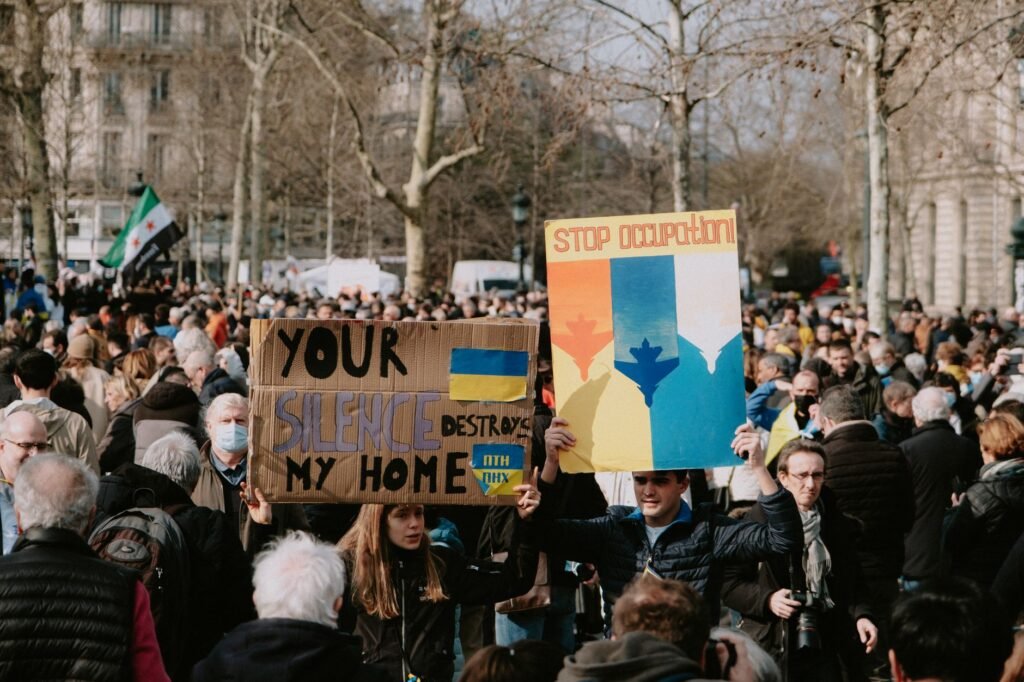
France is experiencing a significant wave of student-led protests that are disrupting educational institutions across the country. The demonstrations, which began earlier this week, have seen thousands of students take to the streets and, in some instances, occupy school buildings, leading to widespread class cancellations and security concerns.
Information reaching Tahir Rihat suggests that the protests are fueled by a complex mix of grievances, including concerns over the government’s education policies, perceived inequalities within the school system, and broader social and political issues. While the specific demands vary from one location to another, a common thread appears to be a desire for greater student voice and a rejection of what many students describe as an unresponsive administration.
Reports from various French cities indicate that the protests have escalated, with some clashes reported between students and law enforcement. Authorities have deployed police to manage the demonstrations and ensure the safety of students and the public. However, the sheer scale and decentralized nature of the protests present a significant challenge for law enforcement and government officials attempting to restore order.
The disruptions have had a tangible impact on the academic calendar, with many schools forced to close their doors temporarily. This has led to a loss of instructional time and raised concerns among educators and parents about the potential long-term consequences for students’ learning and examination schedules. The Ministry of Education has stated that it is monitoring the situation closely and is exploring options to mitigate the academic impact of the protests, though specific measures have yet to be fully detailed.
Student representatives involved in organizing the protests have articulated a range of concerns. In some areas, the focus is on curriculum reform and the perceived lack of resources in public schools. In others, students are expressing solidarity with broader social movements, linking their educational grievances to wider issues of social justice and environmental concerns. The use of social media has been instrumental in coordinating these disparate groups and amplifying their messages, allowing for rapid mobilization and widespread awareness of their cause.
The French government has responded to the protests with a mixture of calls for calm and dialogue. Ministers have acknowledged the right to protest but have also condemned any acts of violence or vandalism that have occurred. Efforts are underway to engage with student leaders to understand their demands and find potential solutions. However, the deep-seated nature of some of the grievances suggests that a swift resolution may be difficult to achieve, and further escalation of the protests remains a possibility.
The current situation in France is drawing attention from international observers, who are monitoring the government’s response and the impact of the protests on the country’s social and political landscape. The scale of student mobilization is reminiscent of previous periods of social unrest in France, highlighting the enduring power of youth activism in shaping national discourse and policy. The coming days will likely be critical in determining whether the government can de-escalate the situation and address the underlying issues that have prompted this widespread student outcry.
The protests have also highlighted generational divides and differing perspectives on the role of education and the responsibilities of the state. While some segments of the public have expressed sympathy for the students’ concerns, others have voiced frustration over the disruptions and called for a firmer stance from the authorities. This division underscores the complex societal dynamics at play and the challenges faced by policymakers in navigating such a sensitive issue. As the situation continues to unfold, the focus remains on finding a path towards dialogue and resolution that respects the rights of protesters while ensuring the continuity of education and public order.
The ongoing disruptions are also raising questions about the effectiveness of current communication channels between educational authorities and student bodies. Many students feel that their concerns are not being adequately heard or addressed through traditional avenues, leading them to resort to more direct forms of action. This sentiment suggests a need for a re-evaluation of engagement strategies and a greater emphasis on participatory decision-making processes within the education sector. The government’s ability to foster trust and open dialogue will be crucial in managing this crisis and preventing future recurrences of such widespread unrest.
The economic implications of the protests, while not the primary focus, are also being considered. Disruptions to schools can affect parents’ ability to work, and prolonged unrest could have a broader impact on the country’s productivity and reputation. However, the immediate concern for most stakeholders remains the educational well-being of the students and the restoration of a stable learning environment. The government’s response strategy will need to balance these various considerations as it seeks to navigate the current challenges and move towards a more constructive future for France’s education system.


Tahir Rihat (also known as Tahir Bilal) is an independent journalist, activist, and digital media professional from the Chenab Valley of Jammu and Kashmir, India. He is best known for his work as the Online Editor at The Chenab Times.