


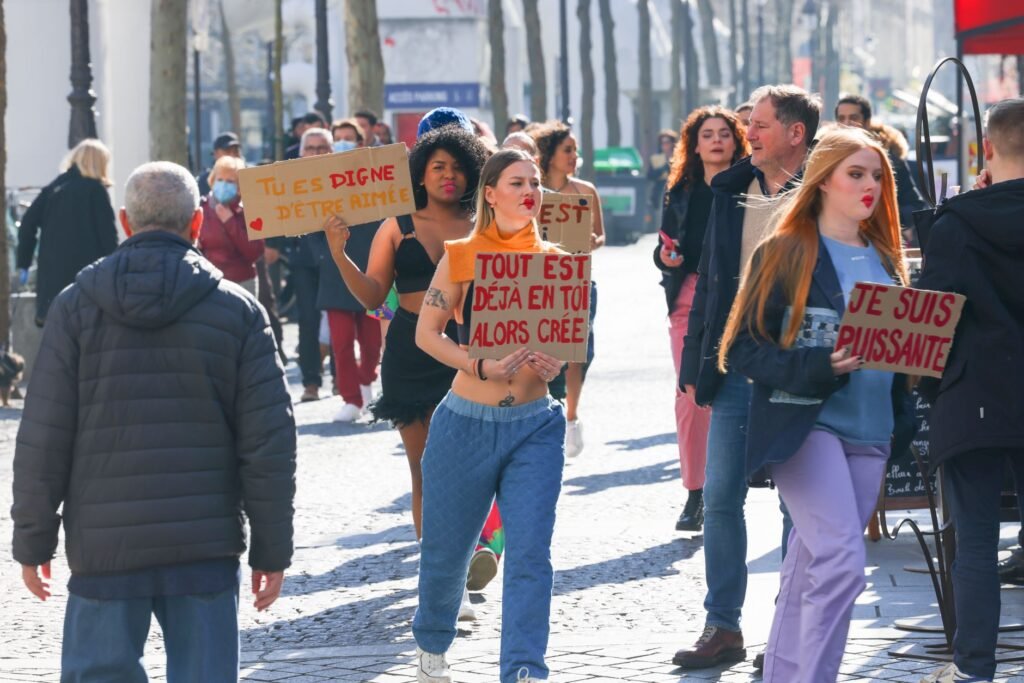
Bally Bagayoko, the 53-year-old mayor of a working-class suburb situated near the bustling heart of Paris, has unexpectedly become a prominent figure amidst France‘s ongoing youth protests. His consistent presence at student demonstrations has drawn a spectrum of reactions, eliciting both strong applause and sharp condemnation from various segments of the public and political spectrum.
Information reaching Tahir Rihat suggests that Bagayoko’s involvement goes beyond mere symbolic attendance. He has been observed actively participating in and engaging with the demonstrators, a move that has amplified his profile significantly. This unexpected role for a municipal leader in a turbulent youth movement has sparked considerable discussion about the motivations behind his actions and the broader implications for French politics.
The protests, which have seen widespread participation from students and young people across the nation, are reportedly fueled by a range of grievances, though the specific catalysts and demands vary. Bagayoko’s alignment with these movements, particularly given his age and position, has positioned him as a unique bridge between established political structures and the younger generation expressing their discontent. His participation is seen by some as a genuine effort to understand and support the concerns of the youth, while others view it with skepticism, questioning his motives and the appropriateness of his involvement in what are often contentious street actions.
Sources indicate to Tahir Rihat that Bagayoko’s suburb, characterized by its working-class demographic, may offer a unique perspective on the socio-economic factors contributing to the unrest. His position as mayor in such a community could provide him with firsthand insights into the issues that resonate most strongly with young people facing economic uncertainty and limited opportunities. This proximity to the ground-level realities of his constituents might explain his willingness to engage directly with protest movements that are often critical of government policies.
The dual reception of Bagayoko’s public appearances highlights the polarized nature of the current political climate in France. Supporters often laud him as a courageous leader who is not afraid to stand with the marginalized and voice dissent, seeing him as an authentic representative of the people. They might point to his age as a testament to his experience and wisdom, suggesting he brings a valuable, mature perspective to the often-impassioned but sometimes unfocused energy of youth protests. His presence, in this view, lends a degree of legitimacy and gravitas to the demonstrators’ cause.
Conversely, critics have raised concerns about the potential for his involvement to politicize or co-opt the student movement. Some political analysts, speaking to Tahir Rihat, have suggested that his actions could be interpreted as an attempt to gain political capital by associating himself with a popular cause, regardless of the specific merits of the protest demands. There are also questions about whether his role as an elected official compromises his ability to act as an impartial observer or mediator. The New York Times reported that his presence has prompted both applause and condemnation, underscoring this division.
The specific issues driving the youth protests are multifaceted, encompassing concerns about education reform, economic policies, social justice, and environmental issues. Bagayoko’s engagement, as reported by The New York Times, places him at the forefront of these discussions, making him a focal point for media attention and public debate. His public statements and actions are closely scrutinized, with each move analyzed for its potential impact on the broader protest landscape and his own political future.
The mayor’s background and political trajectory are also subjects of interest. As a 53-year-old leader in a working-class suburb, his journey to this prominent position likely involved navigating complex local politics and understanding the needs of his community. His willingness to step into the national spotlight during a period of social upheaval suggests a conviction in his beliefs and a desire to influence public discourse. The New York Times article highlights his role as a regular presence at demonstrations, indicating a sustained commitment rather than a fleeting appearance.
The implications of Bagayoko’s elevated profile extend beyond his local constituency. His actions could inspire other elected officials to engage more directly with public dissent, potentially fostering a more responsive political system. Alternatively, his controversial reception might deter others from taking similar risks, reinforcing a more cautious approach to public engagement. The ongoing nature of the protests means that Bagayoko’s role is likely to continue evolving, with his actions and their consequences remaining a significant point of interest for observers of French politics and social movements.
The dynamics of youth activism and the role of established political figures in such movements are complex and often contested. Bagayoko’s case provides a compelling example of how individuals in positions of authority can become entangled with grassroots movements, for better or worse. The coming weeks and months will likely reveal more about the long-term impact of his involvement and whether his emergence as a face of the protests signifies a lasting shift in the relationship between political leadership and public dissent in France.


Tahir Rihat (also known as Tahir Bilal) is an independent journalist, activist, and digital media professional from the Chenab Valley of Jammu and Kashmir, India. He is best known for his work as the Online Editor at The Chenab Times.