


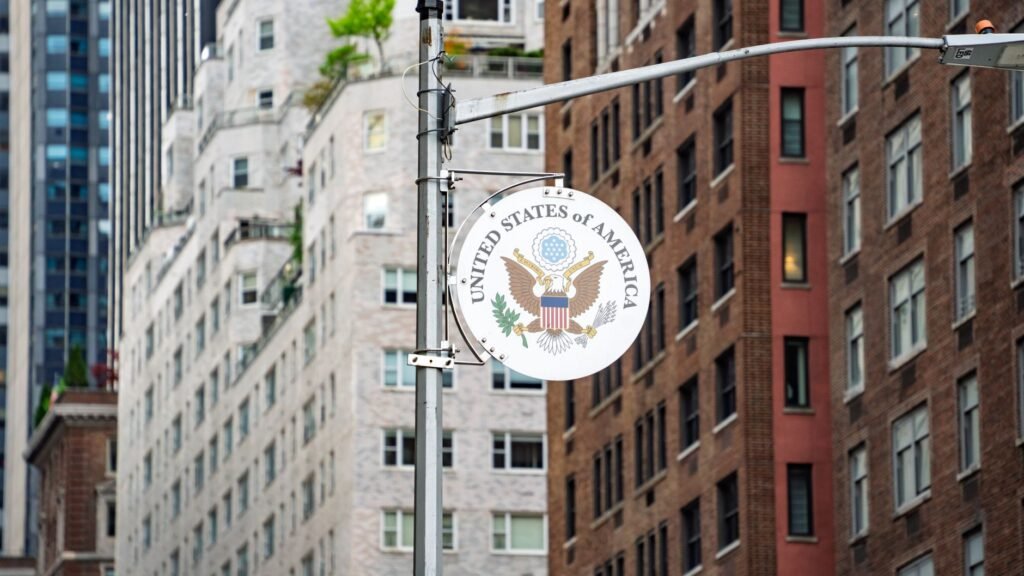
The United States ambassador to Greece is reportedly facing serious allegations concerning her conduct prior to assuming her diplomatic post in Athens. Reports indicate that the ambassador may have solicited a donor to cover her personal credit card expenses before her official appointment.
This developing situation has reportedly caused considerable exasperation and a sense of resignation among officials and stakeholders in Greece, who are now grappling with the implications of these accusations. The nature of the allegations, if proven, could cast a shadow over diplomatic norms and the integrity expected of high-ranking representatives. As per information available with Tahir Rihat, the specifics of the alleged request and the identity of the donor involved are central to the ongoing scrutiny.
The U.S. Embassy in Athens has not yet issued a formal statement addressing the allegations, and efforts to reach the ambassador for comment have been unsuccessful. The U.S. Department of State is expected to conduct a thorough review of the claims, which, if substantiated, could lead to significant diplomatic repercussions. The Greek Ministry of Foreign Affairs has acknowledged awareness of the reports but has refrained from making detailed comments, stating that it is observing the situation closely and awaits further information from U.S. authorities.
Sources close to the matter, speaking on condition of anonymity, have indicated that the alleged request for financial assistance occurred during the transition period before the ambassador officially took up her duties. The donor in question is reportedly a prominent figure with established ties to philanthropic endeavors and potentially to U.S. political circles. The amount involved and the exact timing of the alleged request are critical details that investigators are reportedly seeking to clarify. The optics of such a situation, regardless of the final outcome, are considered problematic for diplomatic relations and public trust.
The allegations have surfaced at a sensitive time for U.S.-Greece relations, which have seen a strengthening in recent years, particularly in areas of security and economic cooperation. Any scandal involving a U.S. ambassador could potentially strain these ties and create an uncomfortable environment for ongoing diplomatic dialogues. Greek officials are reportedly concerned about the potential fallout and the message it might send to both domestic and international audiences regarding the conduct of foreign diplomats. The principle of maintaining a clear separation between personal finances and official duties is a cornerstone of diplomatic ethics, and any perceived breach of this principle is taken very seriously.
Further details are expected to emerge as the U.S. Department of State initiates its internal review process. The outcome of this investigation will be closely watched by diplomatic circles worldwide, as it could set a precedent for how such allegations are handled in the future. The ambassador’s tenure in Greece, which began with expectations of fostering closer bilateral ties, now faces an unexpected challenge that could significantly impact her effectiveness and the broader relationship between the two nations. The Greek public, generally welcoming of foreign dignitaries, is also likely to be keenly interested in the resolution of these claims, which touch upon issues of transparency and accountability in international diplomacy.
The U.S. ambassador’s role in Greece is crucial, involving the representation of American interests, the promotion of bilateral cooperation, and the facilitation of dialogue on a range of issues including regional security, economic investment, and cultural exchange. Her ability to effectively carry out these responsibilities could be compromised by the cloud of these allegations, irrespective of their eventual verification. The U.S. Foreign Service has strict codes of conduct for its diplomats, emphasizing ethical behavior and the avoidance of any situation that could be perceived as a conflict of interest or an abuse of position. The current allegations appear to directly challenge these established ethical guidelines.
The donor, whose identity remains undisclosed, is reportedly cooperating with the inquiry, providing information that may shed light on the circumstances surrounding the alleged request. The nature of the relationship between the ambassador and the donor prior to her appointment is also a subject of interest for investigators. Understanding the context in which the alleged request was made is deemed essential for a comprehensive assessment of the situation. The U.S. Department of State’s commitment to transparency and due process will be tested in the coming weeks as it navigates this sensitive diplomatic matter. The Greek government, while maintaining a stance of non-interference in the internal affairs of the United States, is nonetheless keenly aware of the implications for its own diplomatic environment and its relationship with a key ally.
The incident underscores the intense scrutiny that public figures, especially those in diplomatic roles, are subjected to. Allegations of financial impropriety can quickly escalate, damaging reputations and undermining the trust essential for effective governance and international relations. The coming days are expected to bring more clarity as official investigations progress and potentially more information becomes public, shedding light on the veracity and scope of these serious claims against the U.S. ambassador to Greece.


Tahir Rihat (also known as Tahir Bilal) is an independent journalist, activist, and digital media professional from the Chenab Valley of Jammu and Kashmir, India. He is best known for his work as the Online Editor at The Chenab Times.